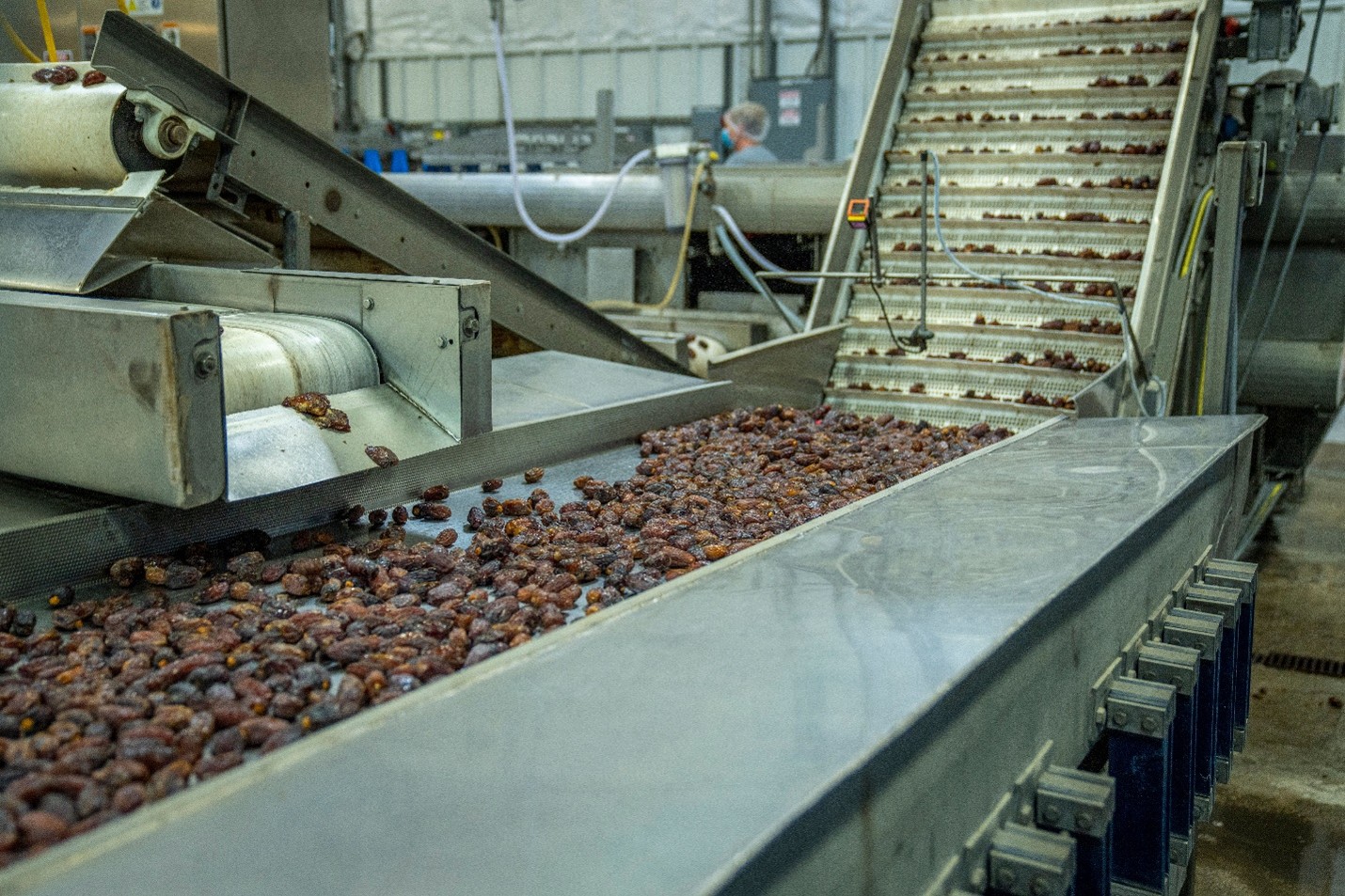
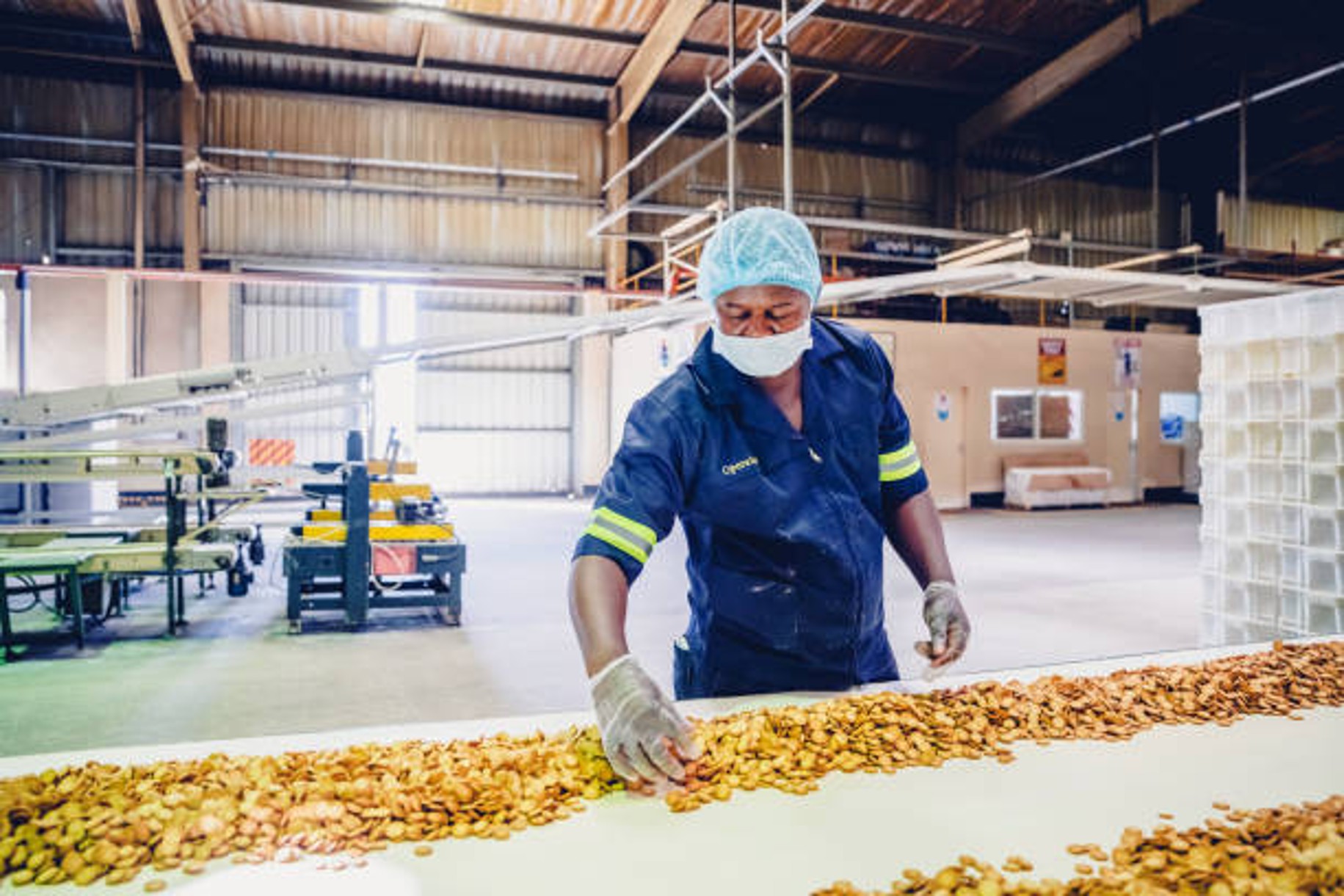
Food processing, fashion and textiles, pharmaceuticals, furniture manufacturing and fintech hardware are increasingly positioned to become the pillars of Africa's next industrial economy. Collectively, these sectors combine three characteristics that distinguish successful manufacturing ecosystems: expanding domestic demand, opportunities for value addition and the potential to build globally competitive brands.
The timing is significant.
Africa continues to record some of the world's fastest economic growth rates despite global uncertainty, supported by rising private consumption, urbanisation and demographic expansion. The African Development Bank projects continental growth of 4.2% in 2026, underlining the resilience of domestic markets even as geopolitical tensions and supply-chain disruptions reshape international trade.
Meanwhile, governments, development finance institutions and private investors are placing renewed emphasis on industrial competitiveness, productive employment and regional value chains. Recent African Development Bank initiatives—including the launch of the Africa Industrialization Index and expanded investment in industrial corridors—reflect growing recognition that manufacturing will determine whether Africa captures greater value from its own resources or continues exporting opportunity alongside raw materials.
The next wave of African manufacturing is therefore not simply about producing more goods.
It is about building industries capable of designing products, integrating technology, strengthening supply chains and creating globally recognised African brands.
________________________________________
Why It Matters
Manufacturing has historically been the foundation of every major economic transformation.
From East Asia to Central Europe, countries that successfully expanded industrial production also strengthened exports, increased productivity, created skilled employment and developed globally competitive private sectors.
Africa now has an opportunity to accelerate a similar transition, but its comparative advantage will not come from replicating twentieth-century manufacturing models.
Instead, it will emerge by developing industries where domestic demand, regional integration and global market trends intersect.
Five sectors stand out.
Food processing responds to Africa's expanding consumer markets while reducing dependence on imported packaged foods.
Fashion and textiles combine cultural identity with growing international demand for sustainable and ethically produced apparel.
Pharmaceutical manufacturing strengthens healthcare resilience while reducing reliance on imported medicines.
Furniture manufacturing captures greater value from Africa's forestry resources and growing construction markets.
Fintech hardware, including payment devices, smart terminals, digital identity infrastructure and financial technology equipment, supports the continent's rapidly expanding digital economy.
Together, these industries illustrate a broader shift in Africa's industrial strategy.
The objective is no longer simply replacing imports.
It is creating manufacturing ecosystems capable of supplying African markets while competing internationally through innovation, quality and specialised production.
Demand Is Becoming Africa's Competitive Advantage
Africa's industrial opportunity is increasingly driven by its own consumers.
Rapid urbanisation, rising household incomes and a growing middle class are expanding demand for packaged food, healthcare products, consumer goods, furniture, digital devices and financial technology services.
Unlike previous generations of industrial development that relied heavily on export markets, many African manufacturers can achieve initial scale by serving domestic and regional demand before expanding internationally.
This creates a more resilient foundation for industrial growth.
Regional Integration Changes the Scale Equation
Historically, fragmented national markets limited manufacturing competitiveness.
The African Continental Free Trade Area (AfCFTA) is gradually changing that dynamic by creating opportunities for regional value chains, larger production volumes and improved economies of scale.
Manufacturers can increasingly design supply chains that source inputs from multiple African countries while serving a continental consumer market.
For sectors such as food processing, pharmaceuticals and furniture, this regional integration has the potential to transform commercially viable production capacity.
Global Supply Chains Are Being Reconfigured
International manufacturers and retailers are actively diversifying production networks in response to geopolitical uncertainty, climate risks and lessons learned from pandemic-era disruptions.
This restructuring creates opportunities for new manufacturing locations capable of offering resilience, resource availability and expanding consumer markets.
Africa's industrial future will depend on whether it can position itself not simply as an alternative production location but as a competitive manufacturing partner delivering quality, reliability and long-term value.
Industrialisation Is Becoming an Investment Priority
Industrial competitiveness is moving higher on the agendas of governments, multilateral lenders and institutional investors.
Recent African Development Bank programmes have placed increasing emphasis on productive employment, industrial corridors, SME financing, digital transformation and competitive value chains as central pillars of long-term economic development.
This signals a broader shift.
Manufacturing is no longer viewed solely as an industrial policy objective.
It is increasingly recognised as essential infrastructure for economic resilience, export diversification and sustainable private-sector growth.
Who It Affects
Africa's next manufacturing wave extends far beyond factories. It will reshape agriculture, technology, finance, logistics, healthcare and trade, creating opportunities for businesses and institutions across multiple sectors.
Unlike previous industrial strategies centred on heavy industry alone, this new generation of manufacturing is built around integrated value chains where producers, technology companies, logistics providers, financial institutions and research organisations operate as interconnected ecosystems.
Manufacturers
Manufacturers stand at the centre of this transformation.
Whether producing packaged foods, pharmaceuticals, furniture, garments or digital payment devices, companies are increasingly expected to compete on quality, innovation and operational excellence rather than low production costs alone.
The next generation of African manufacturers will need to invest in automation, research and development, international certification, digital production systems and supply-chain resilience.
Competitive advantage will increasingly come from building recognised African brands rather than serving solely as contract manufacturers for foreign companies.
________________________________________
Farmers and Agricultural Producers
Agriculture remains the foundation of Africa's industrial future.
The expansion of food processing creates stronger domestic demand for grains, fruits, vegetables, dairy, livestock, cocoa, coffee, palm oil and numerous other agricultural products.
Instead of exporting raw commodities with limited value addition, producers gain opportunities to participate in higher-value industrial supply chains.
This strengthens rural incomes while improving food security and reducing dependence on imported processed products.
Industrialisation therefore becomes a catalyst for agricultural transformation.
________________________________________
Healthcare Systems
The expansion of pharmaceutical manufacturing has implications that extend well beyond industry.
Recent global supply disruptions highlighted Africa's heavy dependence on imported medicines, vaccines and medical supplies.
Developing competitive pharmaceutical manufacturing improves healthcare resilience, shortens procurement timelines and strengthens national health security.
It also supports scientific research, biotechnology, regulatory capacity and highly skilled employment.
Healthcare manufacturing should therefore be viewed as strategic infrastructure rather than simply another industrial sector.
________________________________________
Financial Institutions
Banks, development finance institutions, pension funds and private equity investors will play a central role in financing industrial expansion.
Manufacturing requires significantly greater long-term investment than many service industries.
Factories, industrial parks, cold-chain infrastructure, pharmaceutical laboratories, furniture clusters and electronics assembly facilities all require patient capital capable of supporting growth over many years.
Institutions capable of developing specialised manufacturing finance products will become increasingly important partners in Africa's industrial transformation.
________________________________________
Governments
Governments remain essential enablers of industrial competitiveness.
Reliable electricity, efficient transport systems, digital infrastructure, technical education, regulatory certainty and modern customs administration all directly influence manufacturing performance.
Countries capable of aligning industrial policy with infrastructure investment and workforce development will be better positioned to attract both domestic and international manufacturing investment.
________________________________________
Where the Opportunity Is
Africa's next manufacturing economy will not be dominated by a single industry.
Instead, growth is likely to emerge across several complementary sectors where expanding consumer demand, abundant natural resources and technological innovation converge.
________________________________________
Food Processing: Building Value from African Agriculture
Food processing represents perhaps the continent's most immediate manufacturing opportunity.
Africa produces enormous quantities of agricultural commodities, yet much of this output continues to leave the continent before significant value is added.
Processing these products domestically creates opportunities throughout the value chain—from farming and packaging to logistics, retail and exports.
Urbanisation is accelerating demand for packaged foods, beverages, dairy products, edible oils, convenience meals and health-conscious consumer products.
At the same time, regional trade integration under the African Continental Free Trade Area (AfCFTA) is creating larger consumer markets capable of supporting industrial-scale production.
Companies investing in food safety, cold-chain logistics, modern packaging and internationally recognised quality standards will be better positioned to compete across Africa and internationally.
Food manufacturing should therefore be viewed not simply as agriculture, but as a strategic industrial sector capable of strengthening both food security and export competitiveness.
________________________________________
Fashion and Textiles: From Cotton Fields to Global Brands
Africa possesses many of the raw materials required to build competitive textile and apparel industries.
Cotton production, leather resources, creative talent and cultural heritage provide strong foundations for manufacturing value-added fashion products rather than exporting raw materials.
Global consumers are also placing greater emphasis on sustainability, ethical sourcing and transparent supply chains.
These trends create opportunities for African manufacturers capable of combining modern production systems with authentic design, environmentally responsible manufacturing and strong storytelling.
Rather than competing exclusively on low-cost garment production, African brands can compete through originality, craftsmanship and premium positioning.
The future of African fashion manufacturing lies not only in supplying international retailers but also in building globally recognised African brands.
________________________________________
Pharmaceuticals: Manufacturing for Health Security
Pharmaceutical manufacturing has become one of Africa's most strategically important industrial priorities.
The COVID-19 pandemic exposed the vulnerabilities associated with dependence on imported medicines, vaccines and medical equipment.
Governments and development institutions have since accelerated investment in local pharmaceutical production, recognising that healthcare resilience requires stronger domestic manufacturing capacity.
The opportunity extends beyond import substitution.
As healthcare demand grows across Africa, manufacturers meeting international Good Manufacturing Practice (GMP) standards will be well positioned to supply regional markets while supporting biotechnology research, laboratory sciences and specialised engineering.
The sector also offers opportunities in medical consumables, diagnostics, healthcare packaging and pharmaceutical logistics.
________________________________________
Furniture Manufacturing: Transforming Natural Resources into Premium Products
Furniture manufacturing remains one of Africa's most underappreciated industrial opportunities.
The continent possesses extensive forestry resources, expanding construction sectors and rapidly growing urban housing demand.
Yet significant quantities of timber continue to be exported with limited processing.
Producing finished furniture domestically captures considerably greater economic value while creating employment across carpentry, engineering, logistics, interior design and retail.
International demand for sustainably sourced furniture also presents opportunities for manufacturers able to demonstrate environmental responsibility, responsible forestry practices and premium craftsmanship.
As commercial real estate, hospitality, education and residential construction continue expanding across Africa, furniture manufacturing is positioned to become a significant contributor to industrial growth.
________________________________________
Fintech Hardware: Manufacturing Africa's Digital Infrastructure
Africa's digital economy is expanding rapidly.
Mobile payments, agency banking, digital identity systems, financial inclusion platforms and merchant services are reshaping financial services across the continent.
Much of the physical infrastructure supporting these systems—including payment terminals, biometric devices, smart cards, banking kiosks and financial technology equipment—continues to be imported.
Manufacturing these products locally presents an emerging industrial opportunity.
Beyond reducing import dependence, domestic production strengthens technology ecosystems, encourages electronics assembly, supports engineering capability and improves supply-chain resilience.
As governments continue expanding digital public infrastructure and financial inclusion initiatives, demand for fintech hardware is expected to increase substantially.
The convergence of manufacturing and digital technology therefore represents one of Africa's most promising industrial frontiers.
________________________________________
Market Signals
Several structural developments suggest that Africa's next manufacturing wave is already gathering momentum:
• Governments are increasingly prioritising industrialisation within national development strategies.
• Regional trade integration is encouraging the formation of cross-border manufacturing value chains.
• Consumer demand for packaged foods, healthcare products and locally manufactured goods continues to rise.
• International investors are expanding interest in industrial parks, logistics infrastructure and manufacturing finance.
• Sustainability requirements are encouraging greater investment in local processing and shorter supply chains.
• African brands are achieving stronger international recognition in sectors including food, fashion and consumer products.
• Digital technologies are improving manufacturing efficiency, market access and supply-chain management.
Together, these developments indicate that Africa's manufacturing future will be defined less by isolated factories and more by integrated industrial ecosystems capable of competing regionally and globally.
Strategic Risks
Africa's next manufacturing wave presents one of the continent's strongest long-term economic opportunities, but industrial transformation will depend on execution rather than ambition alone.
While investor interest, regional integration and demographic growth create favourable conditions, several structural risks continue to limit competitiveness. Addressing these constraints will determine whether Africa becomes a globally competitive manufacturing hub or remains primarily a supplier of raw materials and an importer of finished goods.
Infrastructure Remains the Competitive Divider
Reliable infrastructure continues to separate competitive manufacturing economies from those that struggle to industrialise.
Many manufacturers still contend with unreliable electricity, congested ports, fragmented transport networks, high logistics costs and limited industrial land. These factors increase production costs, reduce delivery reliability and weaken export competitiveness.
Industrial policy must therefore extend beyond investment incentives. Reliable power generation, modern freight corridors, efficient ports, digital customs systems and integrated logistics networks should be viewed as core industrial infrastructure rather than standalone public works.
As production becomes increasingly regional under the African Continental Free Trade Area (AfCFTA), logistics efficiency will become a decisive competitive advantage.
________________________________________
Productivity Must Replace Low-Cost Labour as the Competitive Advantage
Africa's youthful workforce represents a major demographic asset, but sustainable competitiveness cannot rely solely on inexpensive labour.
Modern manufacturing increasingly rewards productivity, automation, engineering capability and operational excellence.
Factories producing pharmaceuticals, food products, digital devices or furniture require technicians, quality assurance specialists, software engineers, industrial designers and production managers capable of operating increasingly sophisticated manufacturing systems.
Countries that invest in technical education, vocational training and industrial research will be better positioned to attract advanced manufacturing investment than those competing primarily on labour costs.
________________________________________
Quality Standards Will Shape Global Market Access
As discussed throughout the Made in Africa series, certification and quality assurance have become commercial requirements rather than regulatory formalities.
International buyers increasingly evaluate suppliers according to internationally recognised manufacturing standards, environmental performance, traceability and responsible sourcing.
Manufacturers unable to satisfy these requirements may find themselves excluded from premium retail markets, institutional procurement programmes and multinational supply chains.
Building globally trusted manufacturing industries therefore requires simultaneous investment in product quality, testing laboratories, certification systems and regulatory capacity.
________________________________________
Access to Industrial Finance
Manufacturing remains one of the most capital-intensive sectors of any economy.
Expanding production capacity requires long-term financing for machinery, factory construction, automation, research and development, certification, inventory and workforce development.
Across much of Africa, however, manufacturers continue to rely on relatively expensive short-term commercial lending that is poorly suited to industrial expansion.
Closing this financing gap will require stronger participation from commercial banks, development finance institutions, export credit agencies, sovereign wealth funds, pension funds and private equity investors.
Developing deeper domestic capital markets capable of financing industrial growth should become a strategic priority.
________________________________________
Global Competition Is Intensifying
African manufacturers are entering increasingly competitive international markets.
Producers across Asia, Europe and Latin America benefit from mature supplier networks, established brands, advanced manufacturing technologies and large-scale production.
Competing successfully will therefore require differentiation.
Africa's comparative advantage is unlikely to come from producing identical products at lower prices.
Instead, manufacturers can compete through sustainability, innovation, authenticity, premium branding, regional integration and shorter supply chains that respond more quickly to changing consumer preferences.
________________________________________
Financing the Next Manufacturing Wave
Industrial transformation requires more than entrepreneurial ambition.
It requires coordinated financing capable of supporting manufacturing ecosystems over decades rather than individual projects over a few years.
Development Finance as a Catalyst
Development finance institutions continue to play a critical role in Africa's industrialisation.
By providing long-term capital, guarantees, blended finance and technical assistance, they reduce investment risk while encouraging greater private-sector participation.
Beyond financing factories, these institutions increasingly support industrial parks, renewable energy infrastructure, SME development, logistics networks and export competitiveness.
Their role is shifting from lender to ecosystem builder.
________________________________________
Institutional Capital
Africa possesses growing pools of institutional capital through pension funds, insurance companies and sovereign investment vehicles.
Historically, much of this capital has been allocated conservatively.
Increasing investment into productive sectors—including manufacturing infrastructure, industrial real estate, logistics and technology—could significantly accelerate industrial development while generating long-term economic returns.
Mobilising domestic capital will become increasingly important as global financial conditions remain uncertain.
________________________________________
Strategic Industrial Partnerships
Partnerships remain one of the fastest routes to industrial capability.
Joint ventures with international manufacturers provide access to advanced production systems, engineering expertise, research capability and global distribution networks.
However, successful partnerships should prioritise technology transfer, workforce development and local supplier integration rather than simply expanding assembly operations.
Industrial partnerships should strengthen domestic capabilities that remain long after individual investment projects conclude.
________________________________________
Digital Manufacturing and Industry 4.0
The next generation of African manufacturing will be increasingly digital.
Artificial intelligence, robotics, industrial automation, predictive maintenance, cloud manufacturing, additive manufacturing and data analytics are transforming production worldwide.
African manufacturers that adopt these technologies early may be able to bypass older industrial models and improve productivity without replicating decades of legacy infrastructure.
Digital transformation should therefore be considered a manufacturing strategy rather than simply an information technology investment.
________________________________________
What Decision-Makers Should Do Next
For Manufacturing Executives
Business leaders should prioritise productivity over expansion alone.
Investment should focus on automation, workforce development, internationally recognised certifications, research and development, quality assurance and digital manufacturing systems.
Executives should also develop long-term brand strategies capable of positioning African products as globally trusted rather than merely cost-competitive.
________________________________________
For Investors
Investors should evaluate manufacturing through ecosystem thinking.
The strongest opportunities are unlikely to be confined to factories themselves.
Industrial logistics, renewable energy, packaging, warehousing, engineering services, industrial software, cold-chain infrastructure, certification services and advanced manufacturing technologies all represent high-growth investment opportunities linked to industrial expansion.
________________________________________
For Governments
Governments should adopt industrial competitiveness as a national economic objective.
Priority actions include:
• Strengthening electricity reliability.
• Modernising transport and logistics infrastructure.
• Accelerating AfCFTA implementation.
• Expanding technical education and vocational training.
• Supporting industrial research and innovation.
• Simplifying customs procedures.
• Improving access to long-term manufacturing finance.
• Strengthening quality infrastructure and national standards systems.
Industrial policy should reward productivity, innovation and export competitiveness rather than prolonged protectionism.
________________________________________
For Development Partners
Development institutions can accelerate industrial transformation by supporting technology transfer, industrial infrastructure, SME integration into value chains, export readiness and workforce development.
Catalytic financing that reduces commercial risk will remain essential for attracting greater volumes of private investment into manufacturing.
________________________________________
Executive Outlook
Africa's manufacturing future will not be defined simply by the number of factories constructed over the next decade.
It will be defined by the industries the continent chooses to build.
Food processing, fashion, pharmaceuticals, furniture manufacturing and fintech hardware represent more than individual sectors. Together, they illustrate a broader industrial transition from resource extraction towards value creation, innovation and globally competitive production.
Each industry addresses a critical structural need.
Food processing strengthens food security while increasing agricultural value addition.
Fashion transforms cultural creativity into internationally recognised brands.
Pharmaceutical manufacturing improves healthcare resilience and scientific capability.
Furniture manufacturing captures greater value from Africa's natural resources while supporting construction and urban development.
Fintech hardware strengthens the physical infrastructure underpinning Africa's expanding digital economy.
Collectively, these industries can reshape employment, stimulate exports, deepen regional value chains and reduce dependence on imported manufactured goods.
However, success will depend on coordinated leadership.
Governments must create predictable policy environments.
Manufacturers must invest in productivity, technology and quality.
Investors must finance industrial ecosystems rather than isolated projects.
Educational institutions must prepare a workforce equipped for advanced manufacturing.
Development partners must continue supporting industrial capability rather than short-term interventions.
Africa possesses the demographic momentum, entrepreneurial talent, natural resources and expanding consumer markets required to become a globally competitive manufacturing region.
The next decade will determine whether those advantages are converted into internationally recognised industrial capability.
The businesses and institutions that invest today in innovation, production excellence and regional value chains will help shape the continent's next chapter—not merely as a supplier of raw materials, but as a producer of world-class products carrying the Made in Africa label with confidence and credibility.
________________________________________
Sources & Methodology
This analysis draws on publicly available research, policy papers and market data from the African Development Bank (AfDB), African Export-Import Bank (Afreximbank), World Bank Group, International Finance Corporation (IFC), United Nations Industrial Development Organization (UNIDO), United Nations Conference on Trade and Development (UNCTAD), International Monetary Fund (IMF), World Trade Organization (WTO), African Union Commission and the African Continental Free Trade Area (AfCFTA) Secretariat. Industry developments and corporate activity were cross-referenced with reporting from Reuters, the Financial Times and official company disclosures where appropriate.
The article follows Aldrenor's Premium Intelligence methodology, combining institutional research, economic analysis, industrial policy, market intelligence and long-term structural trends to provide strategic insight for executives, investors, policymakers and development partners. It is intended for informational purposes and should not be interpreted as investment, financial or legal advice.