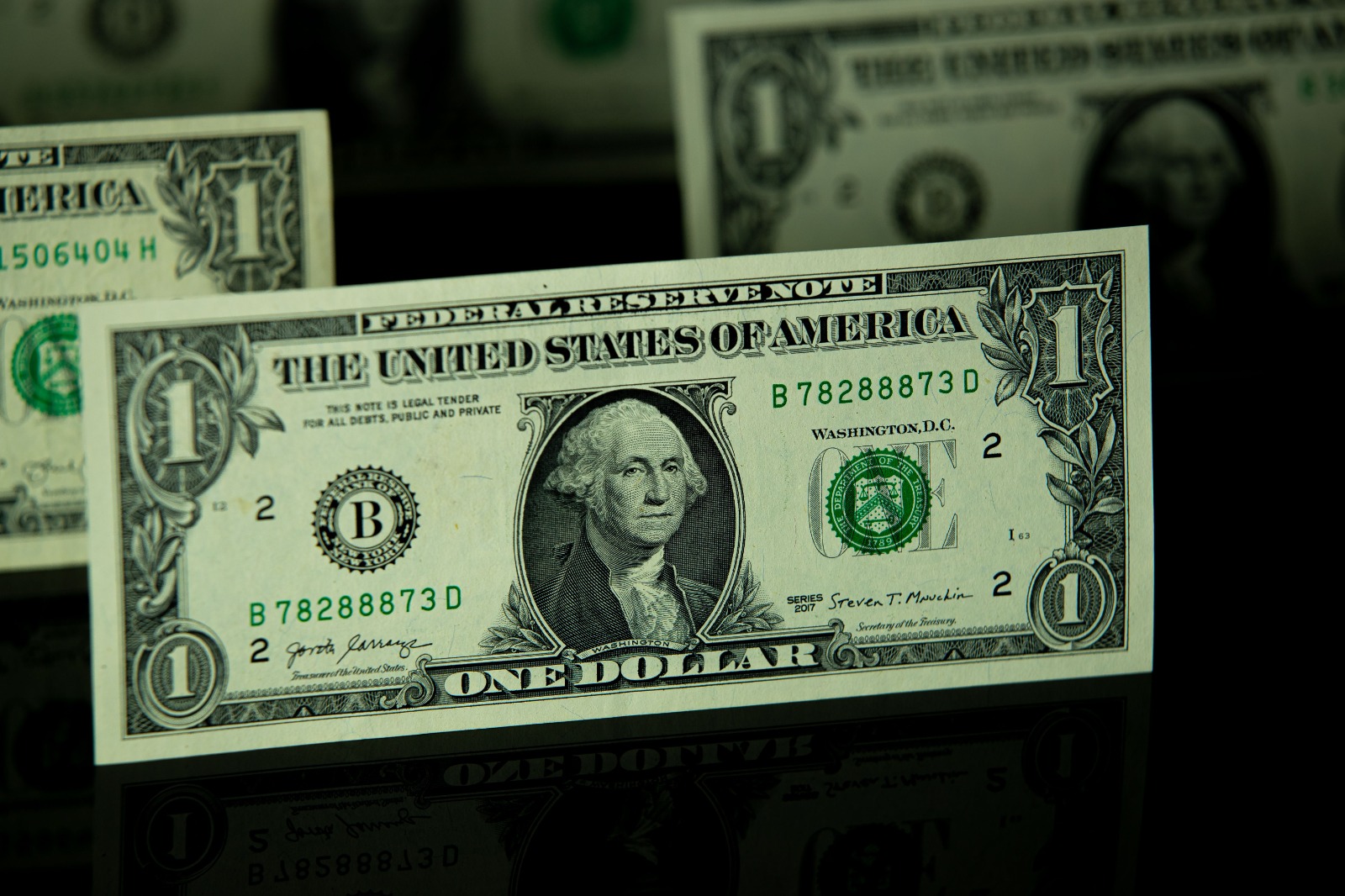
The dollar's advance came as financial markets adopted a defensive stance before the conclusion of the Federal Open Market Committee's two-day meeting. While investors broadly expect policymakers to leave benchmark interest rates unchanged, attention remains focused on the Federal Reserve's assessment of inflation, labour-market resilience and the outlook for future monetary easing.
Currency markets have spent much of the year responding to shifting expectations surrounding the timing and pace of potential interest-rate adjustments. The latest move reflects continued demand for dollar-denominated assets as investors seek clarity on the trajectory of US monetary policy amid mixed economic signals and heightened geopolitical uncertainty.
A stronger dollar carries significant implications for the global economy. For multinational companies, currency appreciation can affect overseas earnings when foreign revenues are converted into US dollars. Export-oriented businesses may also face increased pricing pressure in international markets as American goods become relatively more expensive for overseas buyers.
The impact is particularly pronounced across emerging markets, where a stronger dollar can increase the cost of servicing dollar-denominated debt and encourage capital to flow towards higher-yielding US assets. Governments and central banks in developing economies therefore continue to monitor Federal Reserve policy closely, recognising its influence on exchange rates, borrowing costs and financial stability.
Commodity markets are equally sensitive to movements in the dollar. As many internationally traded commodities, including oil, gold and industrial metals, are priced in US dollars, currency appreciation can reduce purchasing power for international buyers and contribute to lower commodity prices. Businesses operating across energy, manufacturing and mining sectors are consequently evaluating both commodity and foreign-exchange risks as part of broader financial planning.
Institutional investors also view the dollar as a key indicator of broader market confidence. During periods of uncertainty, the currency typically benefits from its status as the world's primary reserve currency, attracting demand from sovereign wealth funds, central banks and global asset managers seeking liquidity and stability.
Analysts caution that the dollar's direction over the coming weeks will depend less on the immediate policy decision than on the Federal Reserve's communication regarding inflation, economic growth and the conditions required before interest rates begin to decline.
For businesses and policymakers, the current market environment highlights the continuing influence of US monetary policy on international trade, investment decisions and global financial conditions.
What to watch: Investors will closely monitor the Federal Reserve's policy statement, revised economic projections and Chair Jerome Powell's press conference for indications of future interest-rate policy. Subsequent inflation, employment and consumer spending data will also be scrutinised for signs of whether the dollar's recent strength can be sustained through the remainder of the year.