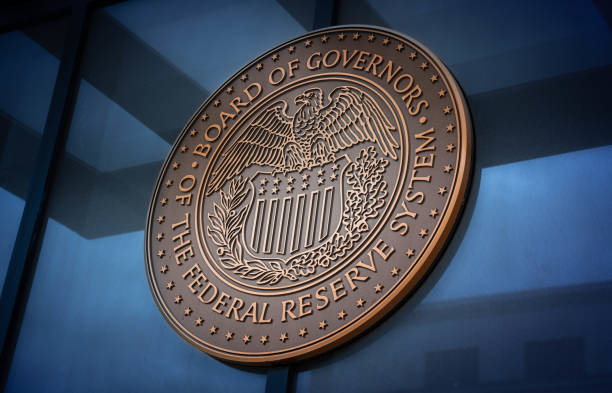
Attention is centred on interest-rate announcements from the United States Federal Reserve and the Bank of England, alongside quarterly earnings reports from several of the world's largest companies. Together, these developments are expected to provide fresh insight into the resilience of corporate profitability, inflation trends and the trajectory of monetary policy across advanced economies.
Financial markets have experienced heightened volatility in recent weeks as investors navigated geopolitical tensions in the Middle East, fluctuating energy prices and uncertainty surrounding global trade. Although easing regional tensions have helped improve market sentiment, institutional investors remain cautious, recognising that central bank guidance and corporate performance are likely to determine the next phase of capital allocation.
The earnings season is expected to provide an important assessment of business confidence. Investors will examine whether companies have successfully managed higher financing costs, persistent wage pressures and evolving consumer demand while continuing to invest in artificial intelligence, digital infrastructure and long-term productivity initiatives.
Analysts are also closely monitoring executive guidance for indications of future capital expenditure, hiring intentions and supply-chain conditions. Any signs of weakening corporate confidence could influence equity valuations and investment decisions well beyond the current reporting period.
On the policy front, market participants will scrutinise central bank statements for signals on inflation, labour market conditions and the timing of any future interest-rate adjustments. While inflation has moderated in several major economies, policymakers continue to balance price stability against slowing economic activity and ongoing geopolitical uncertainty.
Businesses are equally attentive to the implications. Borrowing costs remain a critical factor influencing expansion plans, infrastructure investment and corporate financing. Clearer policy direction could improve planning certainty, while continued ambiguity may encourage firms to maintain a cautious approach to investment.
Why it matters: The combination of monetary policy decisions and corporate earnings represents one of the most significant determinants of market direction. Together, they will influence investment flows, financing conditions and business confidence, providing executives, policymakers and institutional investors with important signals about the strength and sustainability of the global economic recovery.