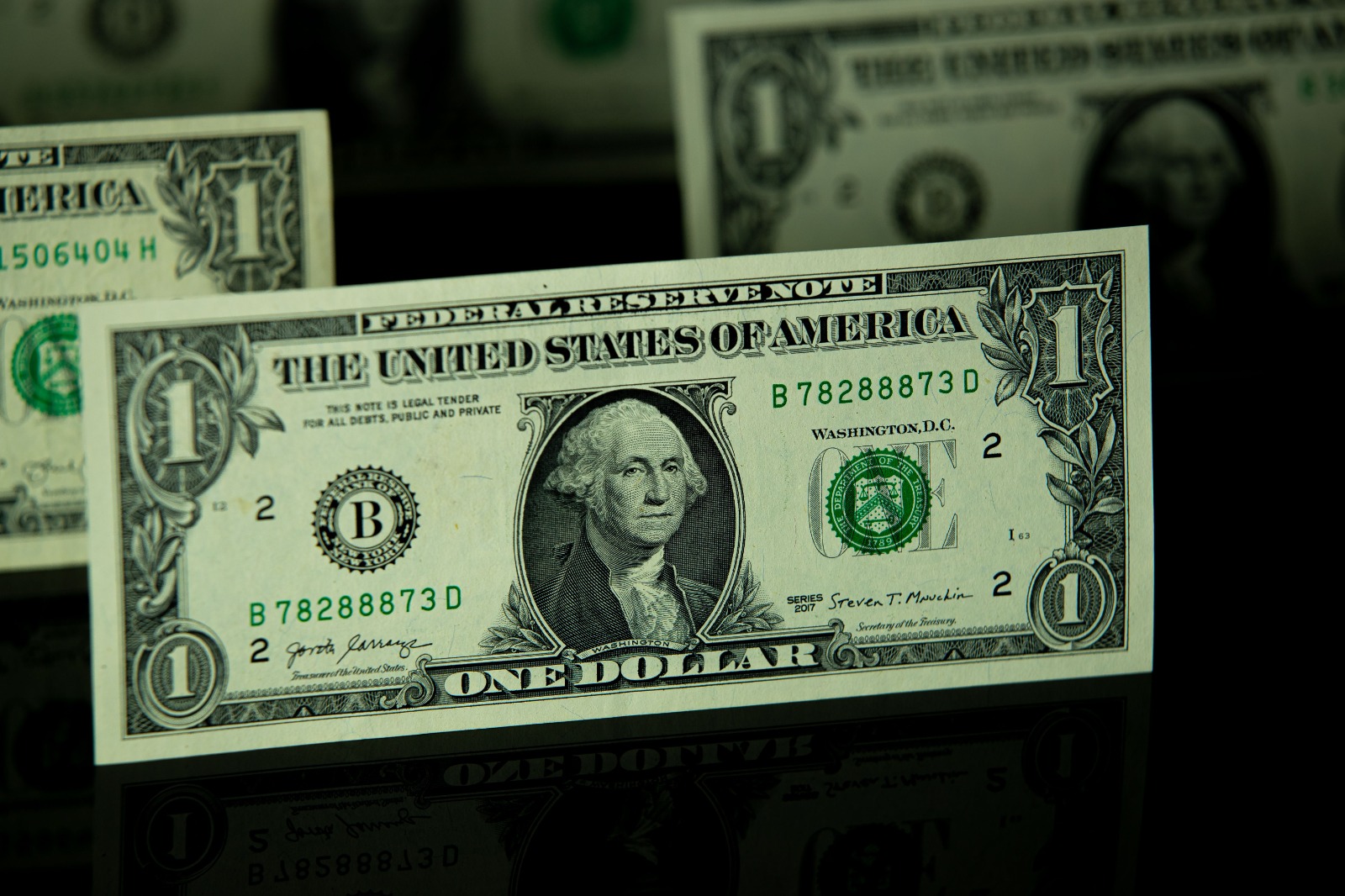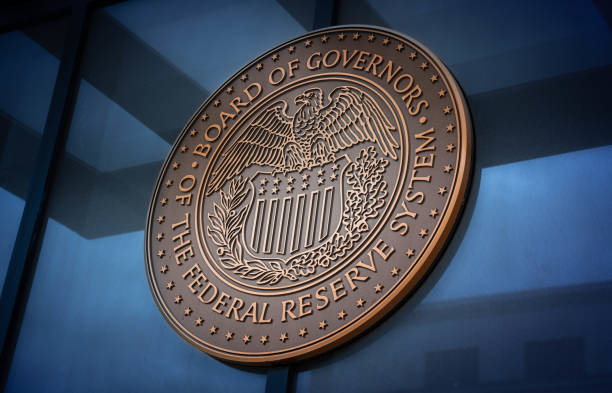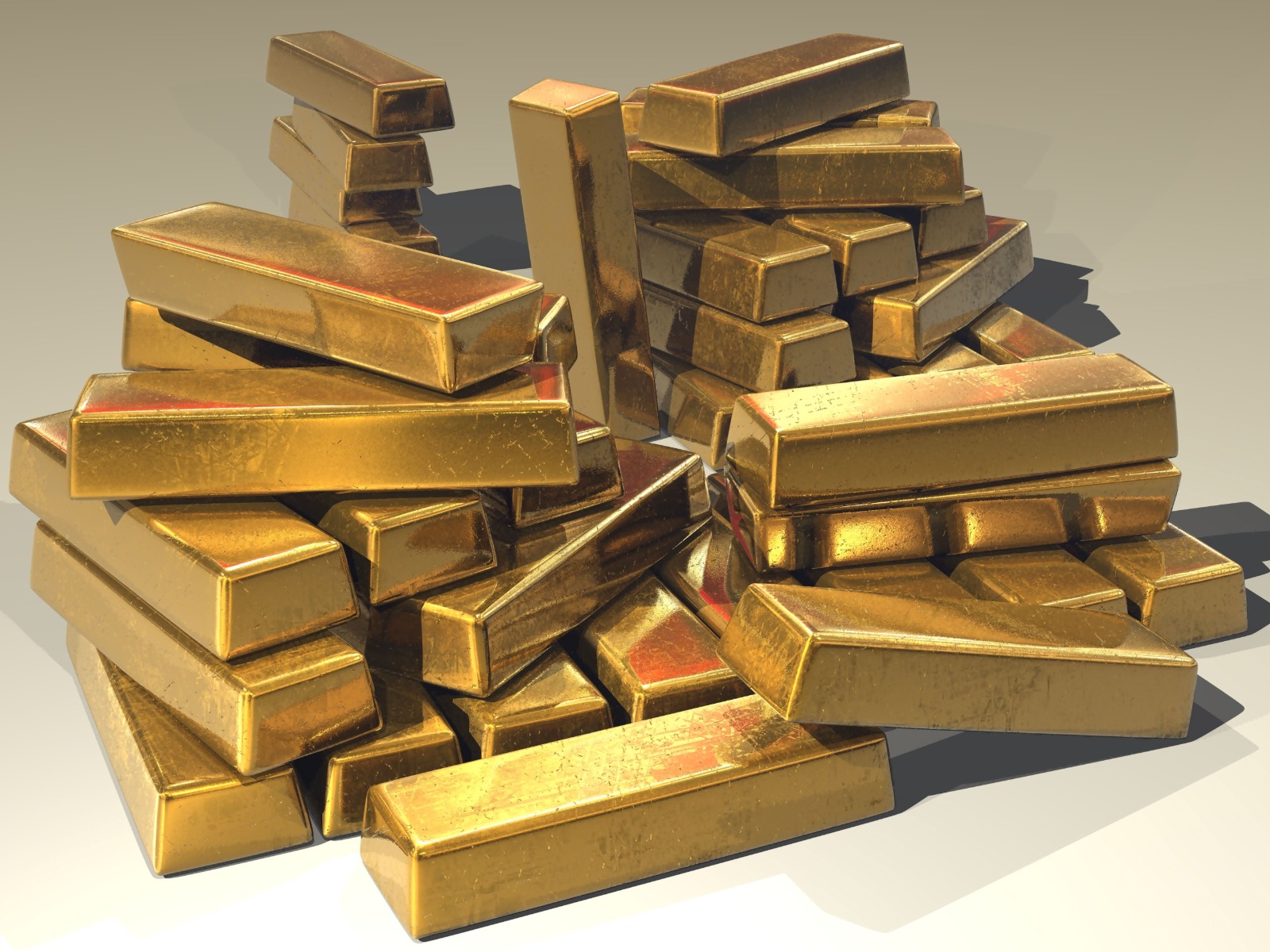
Spot gold traded lower during European and Asian trading sessions as investors reduced exposure to the precious metal in favour of the dollar, which gained ground against a basket of major currencies. Market participants remained reluctant to make significant directional bets before the conclusion of the Federal Open Market Committee's two-day policy meeting, where policymakers are expected to provide updated guidance on inflation and the future path of US interest rates.
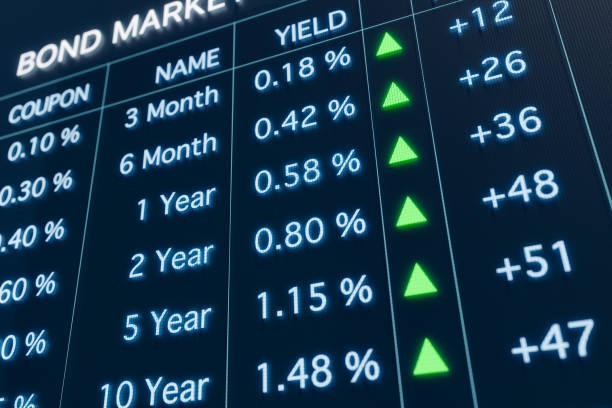
Gold traditionally serves as a store of value during periods of economic uncertainty and geopolitical instability. However, the metal typically comes under pressure when the US dollar strengthens or when interest rates remain elevated, as bullion generates no yield compared with interest-bearing financial assets such as government bonds.
The latest market movements illustrate how closely commodity markets have become tied to expectations surrounding central bank policy. Investors increasingly believe that any indication from Federal Reserve officials that interest rates may remain higher for longer could sustain demand for the dollar while limiting near-term upside for gold and other precious metals.
Beyond financial markets, the implications extend to central banks, institutional investors and sovereign wealth funds that continue to hold gold as part of their reserve management strategies. Higher borrowing costs and a stronger dollar can also influence commodity-producing economies, particularly those dependent on precious metal exports, by affecting international demand and investment flows.
Portfolio managers are also evaluating gold's role within broader investment strategies. Although recent price weakness reflects changing monetary policy expectations, many institutional investors continue to view the metal as an effective hedge against longer-term geopolitical uncertainty, financial market volatility and persistent inflation risks.
Analysts note that the current decline does not necessarily indicate weakening structural demand. Instead, investors appear to be temporarily adjusting positions while awaiting greater clarity on the Federal Reserve's policy outlook and its assessment of the broader economic environment.
For businesses operating across mining, refining and commodity trading, movements in gold prices remain an important indicator of investor confidence and macroeconomic sentiment. The direction of precious metals markets frequently provides insight into expectations surrounding inflation, currency stability and global financial conditions.
What to watch: Investors will closely monitor the Federal Reserve's policy statement, Chair Jerome Powell's remarks and subsequent movements in US Treasury yields and the dollar. Any material shift in expectations for future interest-rate policy could significantly influence demand for gold and broader commodity markets over the coming weeks.