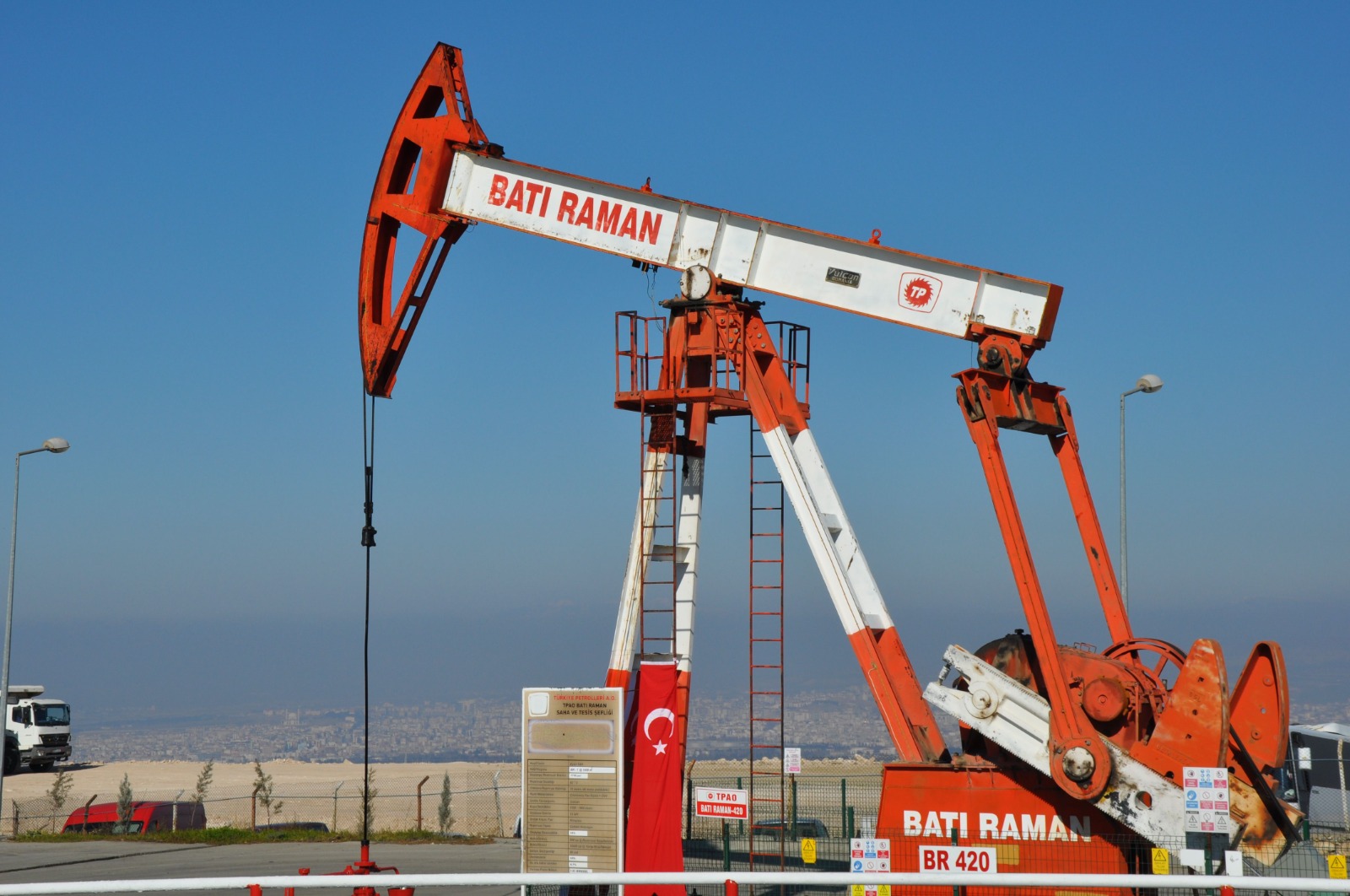
Brent crude and West Texas Intermediate futures traded lower after reports indicated that diplomatic discussions between Washington and Tehran had progressed, easing fears of further escalation across the Middle East. While no comprehensive agreement has been announced, the prospect of sustained negotiations has encouraged market participants to scale back expectations of near-term supply interruptions affecting one of the world's most strategically significant energy-producing regions.
The retreat in oil prices reflects a broader shift in investor sentiment as geopolitical developments begin to outweigh earlier concerns surrounding regional security. Energy markets have remained highly sensitive to diplomatic signals throughout the year, with any indication of either escalating conflict or renewed negotiations producing immediate movements in commodity prices and related financial assets.
Lower crude prices could provide welcome relief for businesses facing elevated operating costs. Manufacturers, logistics providers, airlines and shipping companies remain among the sectors most exposed to fluctuations in fuel prices, while governments continue to monitor energy markets for their influence on inflation, consumer spending and broader economic growth.
For policymakers, the latest market response reinforces the close relationship between diplomacy and economic stability. Energy costs remain a significant component of inflation across advanced and emerging economies, influencing central bank policy, fiscal planning and household purchasing power. A sustained period of lower oil prices could improve inflation dynamics and provide greater flexibility for monetary authorities evaluating future interest-rate decisions.
The implications also extend to long-term investment decisions across the energy sector. Oil producers, infrastructure developers and institutional investors are likely to reassess capital allocation strategies should geopolitical tensions continue to ease. While lower prices may reduce short-term revenues for energy exporters, they could also support stronger global demand by lowering transportation and production costs across multiple industries.
Analysts caution, however, that energy markets remain vulnerable to rapid shifts in geopolitical conditions. Diplomatic progress does not eliminate structural risks surrounding regional security, shipping routes or sanctions policy, all of which continue to influence supply expectations.
For corporate leaders and investors, the current environment highlights the importance of balancing short-term market movements with longer-term structural trends, including energy security, infrastructure resilience and the accelerating transition towards diversified energy sources.
What to watch: Markets will closely monitor developments in US-Iran diplomatic discussions, official statements from major oil-producing nations, inventory data and OPEC+ policy signals for further indications of the direction of global energy markets. Continued progress in negotiations could sustain downward pressure on crude prices, while any deterioration in regional relations may quickly restore geopolitical risk premiums.