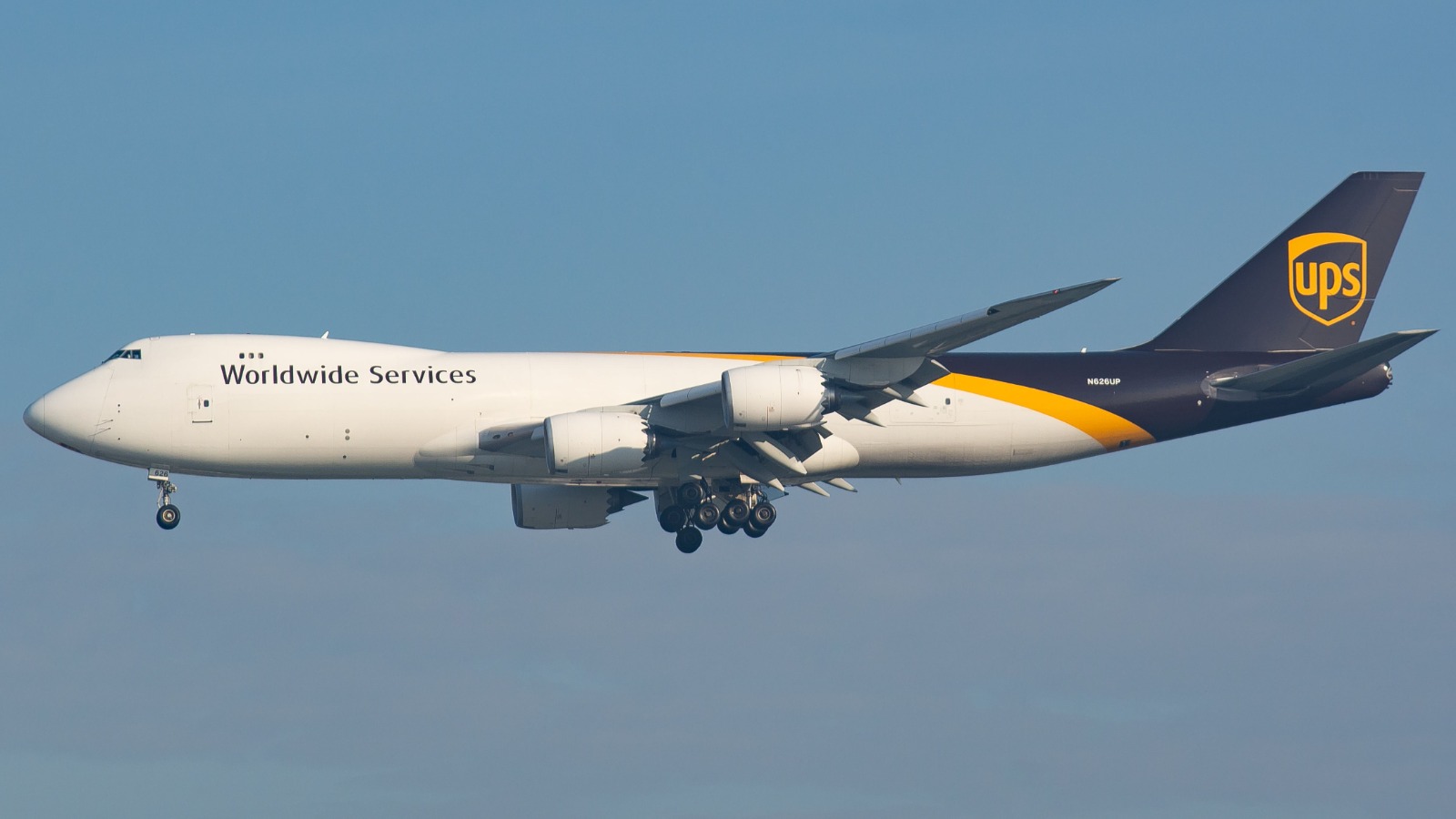
The upgraded guidance was supported by improving parcel volumes, disciplined cost management and sustained demand from business customers, reinforcing investor confidence that global freight and delivery markets are adapting to changing consumption patterns and supply-chain requirements. The results also offered an important indicator of broader economic activity, as logistics companies remain closely linked to international trade, manufacturing output and consumer demand.
UPS's performance arrives at a time when transport and logistics operators continue to navigate a complex operating environment. Businesses across multiple industries have spent the past two years restructuring supply chains to improve resilience against geopolitical tensions, shipping disruptions and higher financing costs. Those adjustments have increased demand for integrated logistics services capable of providing greater flexibility, inventory visibility and delivery reliability.
The company's improved outlook may also signal stabilising conditions for global commerce. Analysts note that parcel delivery volumes often serve as an early indicator of business confidence, reflecting trends in manufacturing activity, retail demand and cross-border trade. Stronger shipment growth could therefore suggest that companies are gradually increasing inventory replenishment and capital investment after an extended period of economic caution.
Institutional investors are paying particular attention to operating margins and productivity improvements across the logistics sector. Companies have accelerated investment in warehouse automation, artificial intelligence, route optimisation and digital tracking systems to improve operational efficiency while managing labour costs and customer expectations. Continued investment in technology is increasingly viewed as essential to maintaining competitiveness in a rapidly evolving global distribution market.
The implications extend beyond the transport sector. Manufacturers, retailers, e-commerce businesses and exporters all depend on efficient logistics infrastructure to support production, fulfil customer orders and expand into new markets. Sustained improvements in delivery performance could strengthen broader economic activity by reducing supply-chain bottlenecks and supporting international trade flows.
Economists caution, however, that risks remain. Trade policy uncertainty, geopolitical developments and fluctuating fuel prices continue to influence operating costs and demand across the logistics industry. Companies are therefore expected to maintain disciplined capital allocation while investing selectively in automation and network expansion.
For policymakers, the latest results reinforce the strategic importance of modern logistics infrastructure in supporting economic growth, productivity and global competitiveness.
What to watch: Investors will monitor future shipment volumes, international trade data and management commentary regarding customer demand, automation investments and supply-chain trends. Attention will also focus on whether improving logistics activity translates into stronger manufacturing output and broader business investment during the second half of the year.