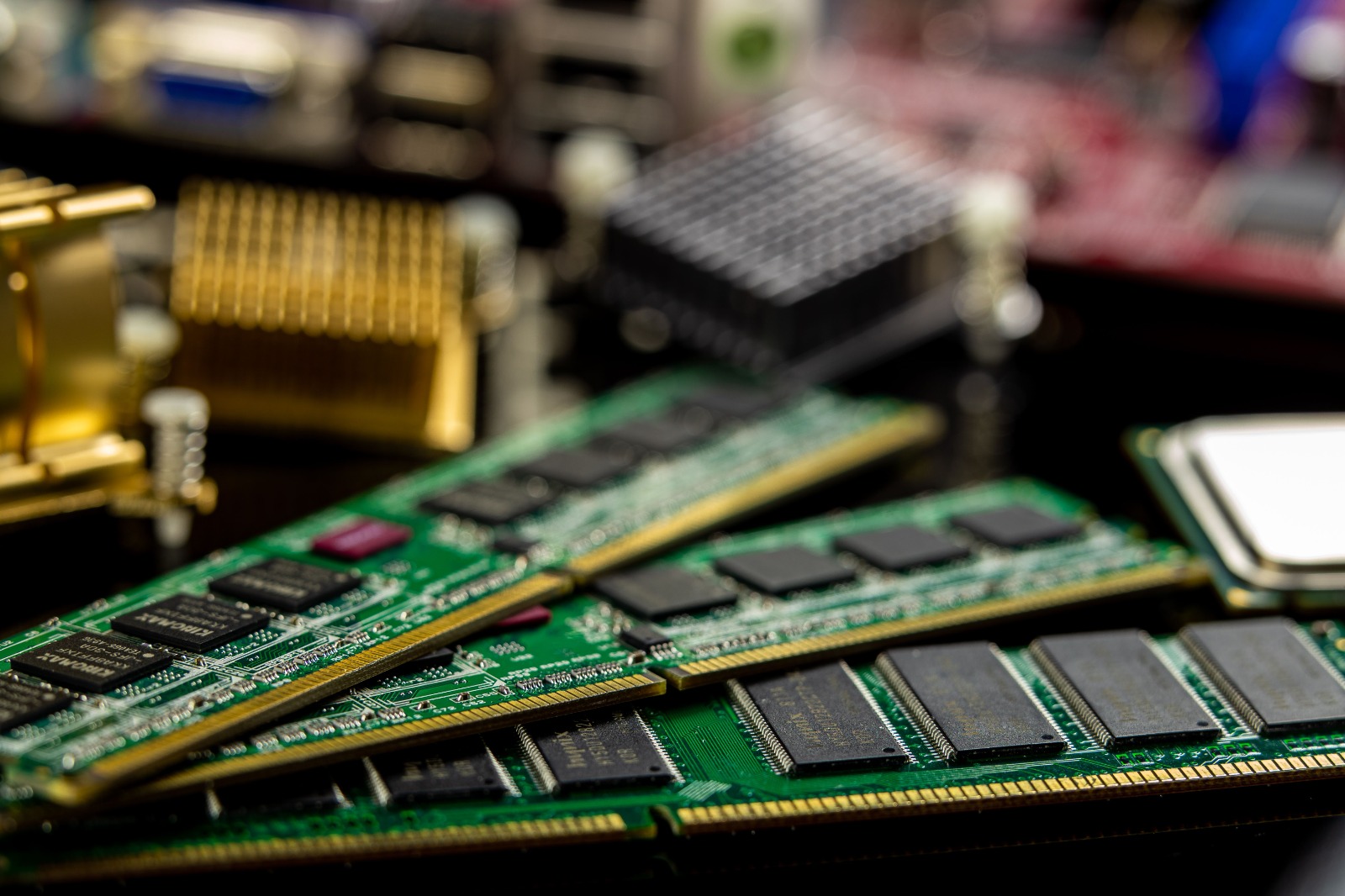
The latest sell-off gathered momentum across Asian and international markets after steep losses in major chipmakers exposed growing investor unease over the financial demands of large-scale AI infrastructure projects and intensifying competition from China's semiconductor industry. South Korea's memory-chip leaders, Samsung Electronics and SK Hynix, suffered double-digit declines, dragging the KOSPI into correction territory and weighing on broader regional markets.
The market reaction reflects a notable shift in investor priorities. After more than two years in which artificial intelligence dominated equity market gains and corporate investment strategies, attention is increasingly turning from growth narratives to financial sustainability. Investors are seeking clearer evidence that unprecedented spending on data centres, advanced processors and AI infrastructure will generate durable earnings growth rather than place prolonged pressure on corporate balance sheets.
Additional concerns emerged after reports highlighted accelerating technological progress within China's semiconductor sector, reinforcing expectations that competition in advanced memory and chip manufacturing could intensify over the coming years. Analysts say these developments have encouraged investors to reassess valuation assumptions that had supported the sector's rapid expansion.
The implications extend beyond listed technology companies. Semiconductor manufacturers occupy a central position within global supply chains supporting cloud computing, industrial automation, consumer electronics, automotive manufacturing and defence technologies. A sustained moderation in AI-related investment could influence demand for equipment manufacturers, specialised materials suppliers, data-centre developers and energy infrastructure providers that have expanded capacity in anticipation of continued growth.
Financial markets are now entering a critical period as investors await earnings from several leading US technology companies. Their guidance on capital expenditure, AI deployment and customer demand is expected to shape expectations for investment across the broader technology sector during the second half of the year.
For policymakers and corporate leaders alike, the latest market correction illustrates that artificial intelligence is entering a more commercially demanding phase. Future investment decisions are likely to be judged less by technological ambition than by measurable productivity gains, financial discipline and sustainable returns on capital.
What to watch: Investors will closely monitor forthcoming technology earnings, corporate capital expenditure guidance and competitive developments within China's semiconductor industry for evidence of whether the recent market repricing represents a temporary correction or the beginning of a broader reassessment of the global AI investment cycle.