The pound retreated during European trading as demand strengthened for the US dollar, which continued to attract investors seeking relative stability before the Federal Open Market Committee concludes its latest policy meeting. Although financial markets broadly anticipate that interest rates will remain unchanged, attention has shifted towards policymakers' assessment of inflation, labour-market conditions and the likelihood of future monetary easing.
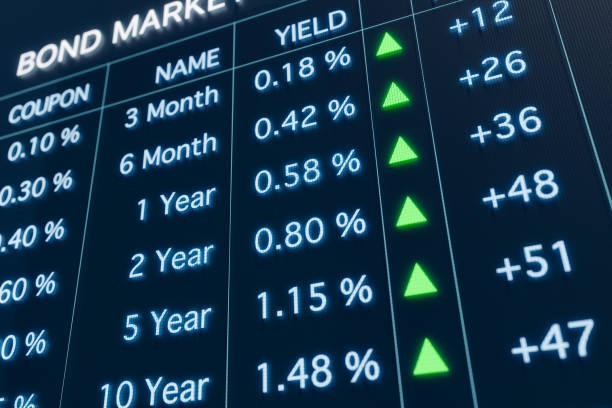
Currency markets have remained particularly sensitive to central bank communication throughout the year. Even subtle changes in policy language can influence exchange rates by altering expectations for future borrowing costs, government bond yields and international investment returns. Investors are therefore positioning portfolios cautiously until greater clarity emerges from the Federal Reserve's updated economic outlook.
For the United Kingdom, movements in the sterling-dollar exchange rate carry significant implications for trade, inflation and business confidence. A weaker pound increases the cost of imported goods priced in US dollars, including energy, industrial commodities and manufactured products, potentially adding pressure to businesses already managing elevated operating expenses and persistent cost inflation.
Export-oriented companies, however, may benefit from a more competitive exchange rate. British manufacturers and internationally focused businesses could experience improved overseas demand if sterling remains relatively weaker, although those gains may be partly offset by higher import costs across global supply chains.
Institutional investors are also monitoring developments for their impact on portfolio allocation. Currency fluctuations influence returns on international investments, prompting asset managers to adjust hedging strategies while reassessing exposure across equities, bonds and alternative assets. The dollar's continued resilience reinforces its role as the world's principal reserve currency during periods of monetary uncertainty and heightened market volatility.
Economists caution that sterling's near-term direction will depend not only on decisions by the Federal Reserve but also on forthcoming economic data from both the United States and the United Kingdom. Inflation, employment figures and central bank guidance on both sides of the Atlantic are expected to shape expectations for interest-rate differentials, a key driver of exchange-rate movements.
For businesses engaged in international trade, the current environment underscores the importance of managing currency risk as monetary policy remains a dominant influence on global financial markets.
What to watch: Investors will closely examine the Federal Reserve's policy statement, Chair Jerome Powell's comments and upcoming UK economic data for indications of future monetary policy divergence between the Federal Reserve and the Bank of England. Currency markets are also expected to react to subsequent inflation and labour-market reports that could reshape expectations for interest-rate trajectories in both economies.