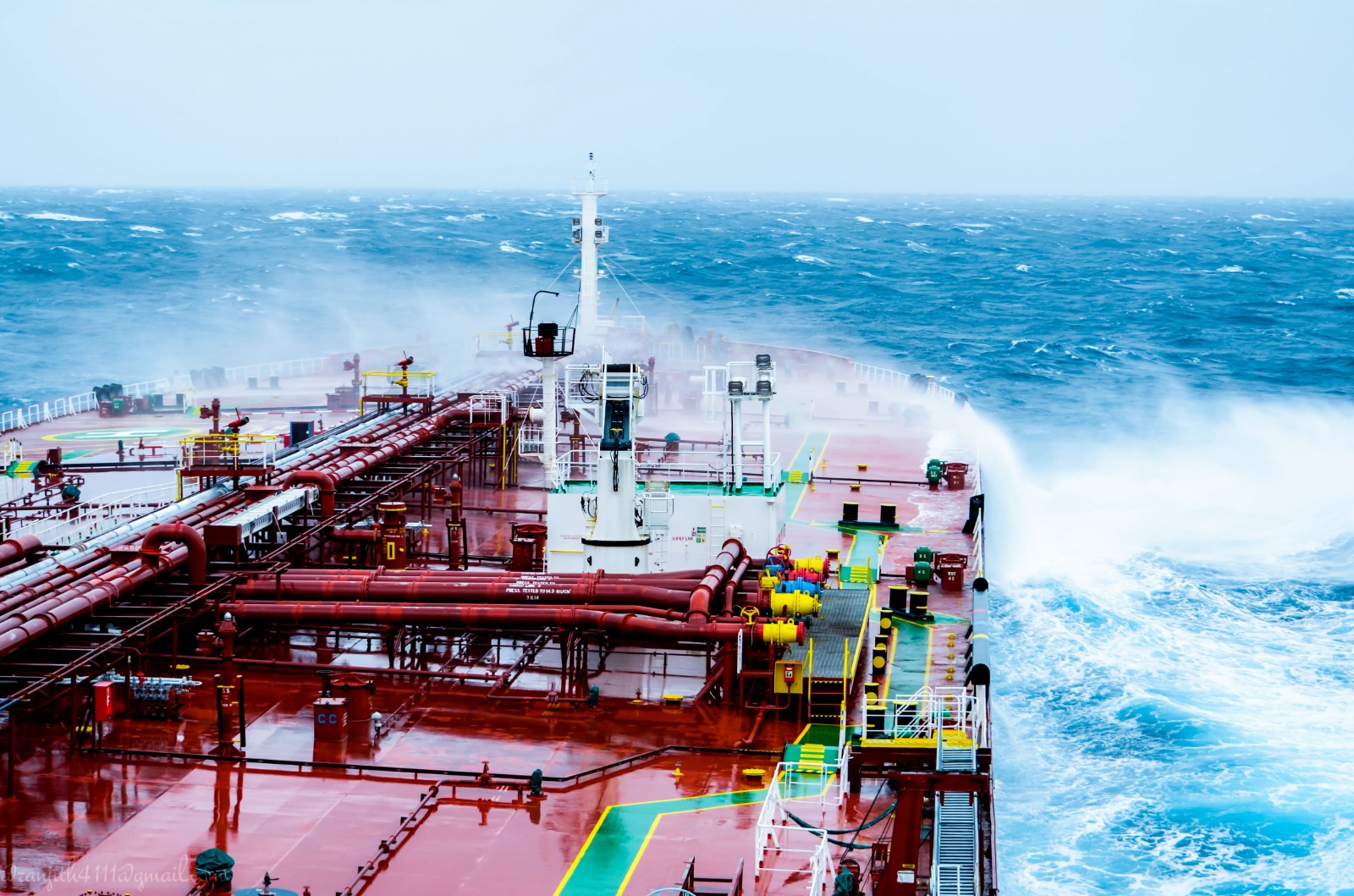
Crude prices moved higher after reports of attacks targeting vessels transiting one of the world's most critical maritime corridors, raising fears that further disruption could affect the movement of oil, refined petroleum products and broader international trade. Although global energy supplies have remained largely uninterrupted, financial markets have increasingly priced geopolitical risk into commodity markets, reflecting concerns that prolonged instability could tighten supply conditions and sustain higher transportation costs.
The latest developments arrive at a time when businesses are already navigating elevated borrowing costs, persistent inflationary pressures and slowing economic growth across several major economies. Higher energy prices threaten to increase operating expenses for manufacturers, logistics providers, airlines, shipping companies and industrial producers, potentially placing renewed pressure on corporate margins while complicating efforts by central banks to maintain progress in reducing inflation.
Energy companies are responding by accelerating investment in strategic infrastructure designed to strengthen long-term resilience. Capital expenditure continues to flow into liquefied natural gas facilities, strategic storage capacity, electricity transmission networks, domestic refining operations and alternative energy projects intended to reduce dependence on vulnerable international supply routes. Institutional investors increasingly regard these assets as essential components of national economic security rather than purely commercial infrastructure.
Governments are also reassessing contingency planning. Several countries continue reviewing strategic petroleum reserves, expanding critical energy infrastructure and diversifying import sources as part of broader efforts to reduce exposure to geopolitical shocks. Policymakers increasingly recognise that secure and reliable energy systems underpin industrial competitiveness, fiscal stability and long-term investment confidence.
For businesses, the implications extend beyond fuel costs alone. Companies with globally integrated supply chains are reviewing procurement strategies, inventory management and shipping arrangements to improve operational flexibility should disruption intensify. Analysts note that recent events reinforce a longer-term trend towards supply-chain diversification and regional manufacturing as firms seek greater resilience against geopolitical uncertainty.
Financial markets remain particularly sensitive to developments affecting major shipping routes, given their influence on inflation expectations, monetary policy and global trade. Investors are expected to monitor both diplomatic developments and shipping activity closely for indications of whether current tensions represent a temporary disruption or the beginning of a more prolonged period of regional instability.