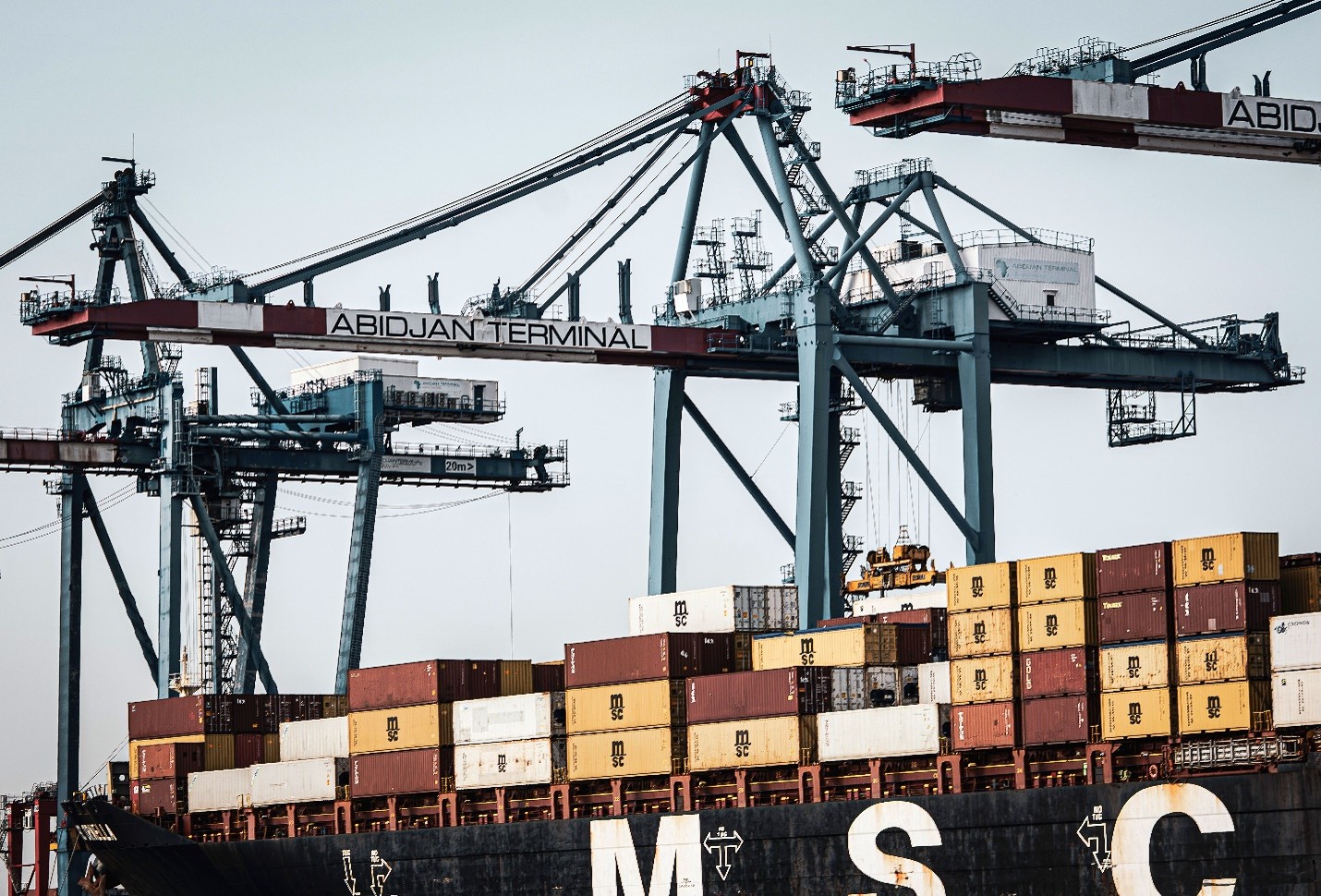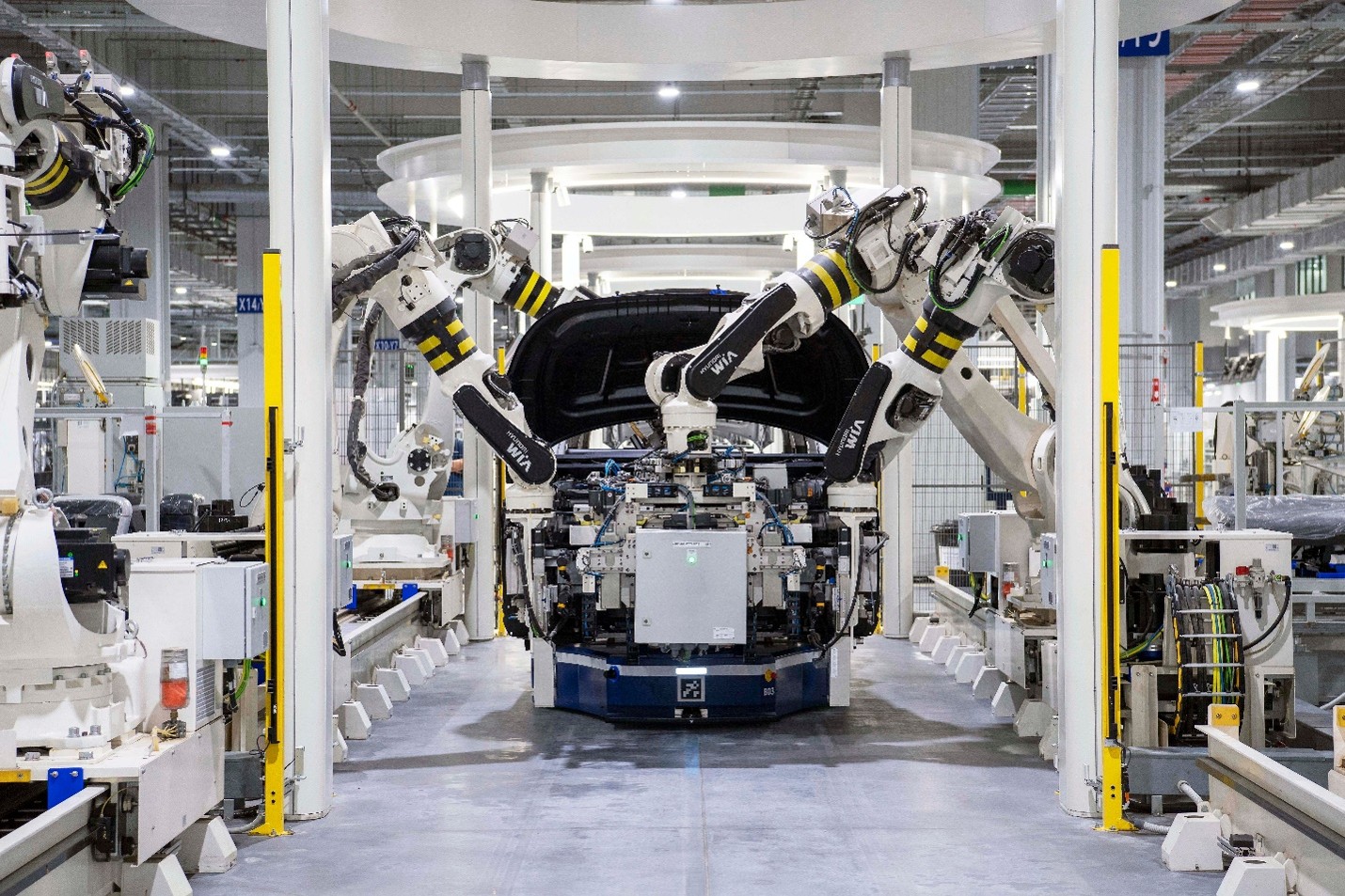
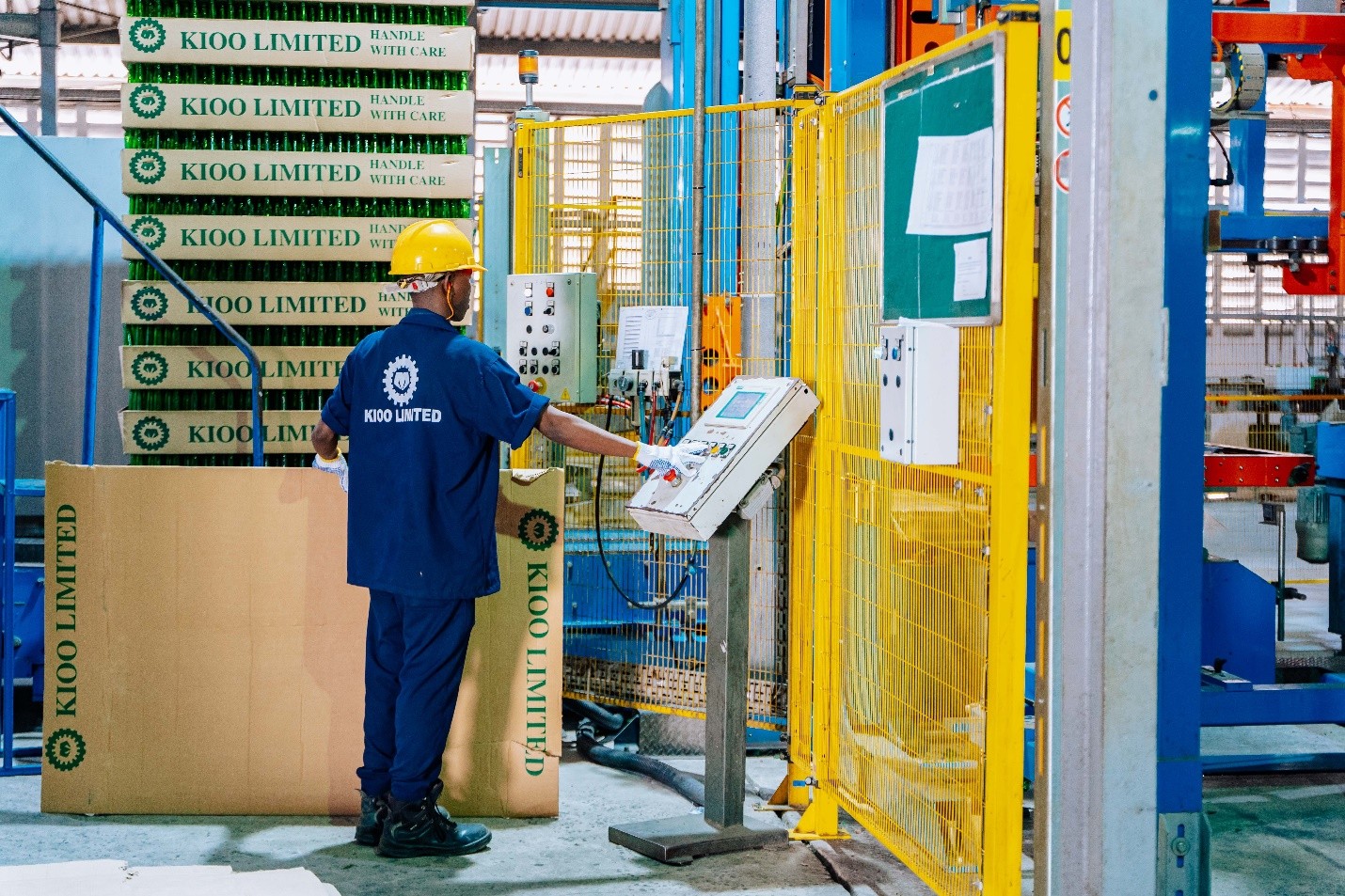
For manufacturers seeking to expand beyond domestic and regional markets, certification, product quality, packaging, traceability and regulatory compliance have become strategic business assets rather than administrative requirements. They determine whether products gain access to premium retail shelves, qualify for government procurement, secure long-term contracts with multinational buyers or command higher prices in global markets.
The challenge is significant.
Across many African economies, businesses continue to face fragmented standards infrastructure, limited access to internationally accredited testing laboratories, high certification costs and inconsistent quality management systems. While the continent possesses abundant agricultural resources, manufacturing potential and entrepreneurial talent, too many products struggle to compete internationally because they fail to satisfy increasingly stringent buyer expectations.
Yet this challenge also presents one of Africa's largest industrial opportunities.
As global consumers place greater emphasis on quality assurance, food safety, sustainability, ethical sourcing and environmental performance, African companies capable of meeting international standards can differentiate themselves in highly competitive markets. Rather than competing solely on lower production costs, they can compete on reliability, authenticity, sustainability and premium quality.
The next phase of Africa's industrial development will therefore be shaped not only by what the continent produces, but by whether international markets trust the products it delivers.
________________________________________
Why It Matters
Quality has become one of the world's most valuable competitive advantages.
International trade increasingly rewards consistency, transparency and compliance. Buyers are no longer purchasing products based solely on price. They are evaluating suppliers based on product integrity, manufacturing systems, environmental responsibility, traceability, packaging standards and long-term reliability.
For African manufacturers, this represents a structural shift in how competitiveness is defined.
Historically, discussions around African industrialisation focused on expanding production capacity, increasing exports and improving infrastructure. Those priorities remain important, but they are no longer sufficient.
Today's export economy requires manufacturers to build confidence alongside capacity.
Trust Has Become a Trade Asset
Global supply chains have become significantly more risk conscious.
Food safety incidents, counterfeit products, geopolitical disruptions and increasing regulatory scrutiny have made international buyers more selective about supplier relationships.
Large retailers, multinational manufacturers and institutional procurement agencies increasingly require suppliers to demonstrate compliance through internationally recognised certifications and independently verified quality systems.
Trust is therefore no longer assumed.
It must be demonstrated.
Manufacturers capable of consistently proving quality, safety and compliance are more likely to secure repeat contracts, premium pricing and long-term commercial partnerships.
________________________________________
Certification Determines Market Access
For many African businesses, the greatest export barrier is no longer tariffs.
It is technical compliance.
Exporting food products, cosmetics, pharmaceuticals, industrial goods or consumer products often requires compliance with international standards governing manufacturing processes, product safety, environmental performance and labelling.
Without recognised certification, products may face lengthy inspections, shipment delays or outright rejection at international borders.
Certification has therefore become an essential component of export competitiveness rather than a regulatory afterthought.
________________________________________
Packaging Shapes Market Perception
Packaging performs far more than a protective function.
It communicates quality, professionalism and brand credibility.
In highly competitive retail environments, packaging often determines whether a product attracts consumer attention, satisfies retailer requirements or successfully competes against established international brands.
Modern packaging also supports traceability, sustainability, regulatory compliance and logistics efficiency.
Manufacturers that invest strategically in packaging design strengthen both customer confidence and operational performance.
Increasingly, packaging represents part of the product itself.
________________________________________
Standards Support Industrial Growth
Quality infrastructure benefits entire economies rather than individual businesses alone.
Strong national standards agencies, accredited laboratories, certification bodies and testing facilities improve industrial competitiveness across multiple sectors.
As more businesses achieve international certification, countries strengthen their reputations as reliable manufacturing destinations capable of participating in regional and global value chains.
Quality therefore functions not merely as a business issue but as national economic infrastructure.
________________________________________
Competitiveness Extends Beyond Price
African manufacturers frequently compete against producers operating at much larger scales.
Attempting to compete solely on production costs creates long-term disadvantages.
Competing through quality, reliability, sustainability and authenticity offers stronger opportunities for differentiation.
Premium agricultural products, specialty foods, natural cosmetics, sustainable textiles, responsibly sourced minerals and environmentally conscious manufacturing all demonstrate how quality can generate higher commercial value than price competition alone.
Who It Affects
The quality standards challenge extends far beyond manufacturers. It influences investment decisions, export competitiveness, consumer confidence, industrial policy and Africa's broader economic integration agenda.
For executives and policymakers, quality infrastructure is increasingly becoming a strategic economic asset rather than a technical compliance issue.
Manufacturers and Exporters
Manufacturers are at the centre of this transformation.
Companies seeking to access premium retail chains, multinational procurement programmes and international distribution networks must increasingly demonstrate compliance with recognised quality standards before price negotiations even begin.
International buyers now evaluate suppliers based on manufacturing systems, product consistency, traceability, environmental performance, packaging quality and regulatory compliance, not simply production capacity.
For African exporters, certification has become a gateway to market access rather than an optional commercial advantage.
Small and medium-sized manufacturers face particular challenges because certification costs, laboratory testing and compliance audits can represent a significant share of operating expenses. Yet these investments increasingly determine whether businesses remain confined to domestic markets or become internationally competitive exporters.
________________________________________
Investors and Financial Institutions
Quality infrastructure has become an important investment signal.
Institutional investors increasingly assess operational governance, quality management systems and regulatory compliance when evaluating manufacturing businesses.
Factories with internationally recognised certifications generally present lower operational risks, stronger export potential and more resilient long-term business models.
As environmental, social and governance (ESG) expectations continue to shape global capital allocation, companies that invest in quality assurance and sustainable production are likely to improve both investor confidence and access to finance.
________________________________________
Governments and Regulators
Governments have a central role in building national quality infrastructure.
This extends beyond creating standards agencies.
Competitive manufacturing requires accredited laboratories, metrology institutes, inspection services, certification bodies and effective market surveillance systems that are recognised internationally.
Recent continental initiatives demonstrate growing recognition of this challenge.
The African Union Commission and the United Nations Industrial Development Organization (UNIDO) continue to advance implementation of the Africa Quality Policy, designed to strengthen continental quality infrastructure and improve trade competitiveness under the African Continental Free Trade Area (AfCFTA).
At the regional level, organisations such as the Economic Community of Central African States (ECCAS) have accelerated efforts to harmonise quality infrastructure systems, recognising that consistent standards are essential for deeper regional trade integration.
________________________________________
Retailers and Global Buyers
International retailers increasingly demand consistency rather than simply competitive pricing.
Large supermarket chains, pharmaceutical distributors, automotive manufacturers and consumer brands depend upon suppliers capable of maintaining uniform quality across multiple production cycles.
Procurement decisions increasingly incorporate supplier audits, traceability systems, environmental reporting and independent certification alongside traditional commercial negotiations.
African manufacturers capable of meeting these expectations position themselves as long-term strategic suppliers rather than occasional exporters.
________________________________________
Where the Opportunity Is
Although certification requirements are becoming more demanding, they also create opportunities for manufacturers capable of building trust through quality.
Several sectors stand out as particularly well positioned.
Agro-Processing and Food Manufacturing
Food exports remain among the sectors most affected by international sanitary and phytosanitary (SPS) requirements.
Global demand for processed agricultural products continues to grow, but buyers increasingly require evidence of food safety systems, product traceability, residue monitoring and internationally recognised manufacturing standards.
Manufacturers investing in internationally accepted food safety certifications, modern packaging and digital traceability systems are likely to gain stronger access to premium export markets.
Recent WTO initiatives are also helping African exporters improve awareness of changing SPS and technical requirements through expanded use of the ePing platform, which provides real-time notifications on regulatory changes affecting international trade. In 2025 alone, more than 7,000 SPS and Technical Barriers to Trade (TBT) notifications were issued globally, the highest level recorded, highlighting the growing importance of regulatory intelligence for exporters.
________________________________________
Pharmaceuticals and Healthcare Manufacturing
Healthcare manufacturing represents another strategic opportunity.
Following recent global supply-chain disruptions, governments and healthcare institutions increasingly prioritise resilient regional pharmaceutical production.
However, pharmaceutical competitiveness depends heavily on regulatory compliance.
Manufacturers seeking international partnerships or export opportunities must demonstrate adherence to internationally recognised Good Manufacturing Practices (GMP), quality management systems and pharmaceutical regulatory standards.
As Africa expands domestic pharmaceutical production, quality assurance will increasingly determine which companies become regional champions.
________________________________________
Consumer Goods
Consumer purchasing behaviour is evolving.
Urban consumers increasingly associate packaging quality, product presentation and certification marks with product reliability.
Well-designed packaging now communicates product safety, authenticity and brand credibility before customers even evaluate price.
Manufacturers investing in sustainable packaging, improved labelling and digital authentication technologies can strengthen both domestic consumer trust and export readiness.
Packaging has become an increasingly important competitive differentiator rather than simply a logistics requirement.
________________________________________
Green Manufacturing
Environmental compliance is becoming an integral component of international competitiveness.
Manufacturers exporting into advanced markets increasingly face expectations regarding carbon reporting, sustainable sourcing, circular production and environmental transparency.
Emerging regulations, including carbon-related trade measures in several major markets—suggest that environmental performance will become increasingly important alongside traditional product standards.
African manufacturers investing early in sustainable production systems may therefore secure competitive advantages as global regulatory expectations continue to evolve.
________________________________________
Market Signals
Several recent developments indicate that Africa's quality infrastructure agenda is gaining strategic momentum.
The World Trade Organization has expanded programmes supporting African exporters through improved transparency around sanitary and technical regulations, while also strengthening practical use of digital compliance tools such as ePing.
At the same time, WTO members have continued discussions on conformity assessment procedures, highlighting how national quality infrastructure, including standardisation, testing, metrology, accreditation and certification—supports both consumer confidence and international market access. Training programmes are now being implemented in several African countries to strengthen these capabilities.
Meanwhile, implementation of AfCFTA increasingly recognises that tariff reductions alone cannot create competitive regional value chains. Harmonised standards, predictable regulations and efficient conformity assessment systems are becoming equally important to unlocking intra-African trade.
For African manufacturers, these developments reinforce a clear message.
The next competitive frontier is not simply producing more goods.
It is producing goods that international markets trust.
Strategic Risks
Africa's quality challenge is no longer defined by whether standards exist.
The greater challenge is whether businesses can consistently achieve, maintain and demonstrate compliance at a scale that allows them to compete internationally.
While significant progress has been made through the African Union's Quality Policy framework and regional quality infrastructure initiatives, implementation remains uneven across the continent. Many manufacturers continue to face structural constraints that limit their ability to convert production capacity into export competitiveness.
________________________________________
Fragmented Quality Infrastructure
One of Africa's biggest competitive disadvantages is the uneven maturity of national quality infrastructure.
Several countries possess internationally recognised standards bodies, accredited laboratories and certification agencies, while others still depend heavily on foreign testing and conformity assessment services.
This fragmentation increases costs for manufacturers and creates delays in accessing export markets.
Recognising this challenge, the Africa Quality Policy Council (AQPC) adopted new framework documents in March 2026, including progress towards a Made in Africa Certification Scheme and an Africa Quality Awards Scheme designed to strengthen confidence in African products and harmonise continental quality systems.
The long-term objective is clear:
African products should increasingly be certified within Africa by internationally recognised institutions rather than relying predominantly on external certification systems.
________________________________________
Certification Costs Remain a Barrier for SMEs
Large multinational manufacturers generally possess the financial capacity to obtain ISO certifications, conduct regular audits and maintain sophisticated quality management systems.
Small and medium-sized enterprises often do not.
Testing, accreditation, certification audits, packaging redesign, product traceability systems and laboratory verification can represent significant upfront investments.
Without targeted financing and technical assistance, many SMEs risk remaining confined to domestic markets despite producing commercially viable products.
Quality therefore risks becoming a competitive divide unless access to certification becomes more inclusive.
________________________________________
Packaging Still Limits Market Positioning
Many African products continue to compete internationally with packaging designed primarily for local distribution rather than global retail environments.
Packaging increasingly determines first impressions.
International buyers assess product presentation alongside manufacturing quality.
Poor labelling, inconsistent branding, inadequate traceability information or non-compliance with destination-market regulations can undermine otherwise competitive products.
Packaging should therefore be viewed as part of industrial strategy rather than merely a marketing exercise.
________________________________________
Regulatory Complexity Is Increasing
Export compliance is becoming more complex rather than simpler.
Manufacturers must increasingly navigate evolving technical regulations covering food safety, environmental performance, sustainability reporting, chemical composition, recycling requirements, digital product passports and carbon-related disclosures.
Businesses without robust regulatory intelligence capabilities risk losing market access despite producing high-quality goods.
Compliance is becoming a continuously evolving business function rather than a one-time certification exercise.
________________________________________
Financing Quality Competitiveness
Building trusted manufacturing industries requires investment not only in factories but also in quality infrastructure.
Certification, laboratory capacity, digital traceability systems and quality management should increasingly be recognised as productive investments capable of generating long-term export returns.
Development Finance
Development finance institutions are expanding support for quality infrastructure as part of broader industrial competitiveness programmes.
UNIDO, the African Union Commission and international development partners continue to support continental quality reforms through programmes focused on standards, accreditation, laboratory capacity and conformity assessment. Recent initiatives include the Pan-African Trade Competitiveness and Market Access Programme, which supports quality infrastructure across multiple African regional economic communities.
These investments reduce barriers that individual businesses would struggle to overcome independently.
________________________________________
Private Investment
Institutional investors increasingly recognise that quality management strengthens commercial resilience.
Companies with internationally recognised certifications, strong governance systems and reliable production processes generally experience stronger customer retention, improved export readiness and lower operational risk.
Quality therefore contributes directly to enterprise value.
For investors evaluating manufacturing businesses, certification increasingly serves as an indicator of long-term competitiveness rather than simply regulatory compliance.
________________________________________
Technology and Digital Traceability
Digital technologies are reshaping quality assurance.
Manufacturers increasingly deploy QR-code authentication, blockchain-enabled traceability, artificial intelligence for quality inspection and digital production monitoring to improve transparency throughout supply chains.
These technologies strengthen customer confidence while enabling faster compliance with evolving international regulations.
For African manufacturers seeking premium positioning, digital trust systems may become as important as traditional quality inspections over the coming decade.
________________________________________
What Decision-Makers Should Do Next
For Business Leaders
Executives should position quality as a core commercial strategy rather than a compliance cost.
Priority investments should include internationally recognised certifications, robust quality management systems, modern packaging, digital traceability and workforce training.
Businesses that consistently deliver quality strengthen pricing power, customer loyalty and export competitiveness.
________________________________________
For Investors
Investors should assess quality infrastructure alongside financial performance.
Manufacturing businesses with strong governance, internationally recognised standards and export-ready production systems are generally better positioned for sustainable growth.
Investment opportunities also exist within testing laboratories, certification services, packaging technology, industrial software and supply-chain compliance solutions.
________________________________________
For Governments
Governments should accelerate investment in national quality infrastructure.
Priority areas include expanding accredited laboratories, strengthening standards agencies, improving metrology capability and supporting affordable certification services for SMEs.
Implementing harmonised standards under AfCFTA will become increasingly important as intra-African trade expands.
________________________________________
For Regional Institutions
Regional organisations should continue harmonising technical regulations, conformity assessment procedures and accreditation systems.
The recent expansion of regional quality infrastructure initiatives demonstrates growing continental commitment to reducing technical barriers to trade. Continued implementation will determine whether African manufacturers can move more efficiently across regional markets while strengthening international credibility.
________________________________________
Executive Outlook
Africa's industrial future will depend as much on trust as on production.
Factories can manufacture products.
Only quality systems create confidence.
As global markets become increasingly regulated, digitally connected and sustainability focused, certification, packaging, traceability and quality assurance will become defining competitive advantages rather than administrative obligations.
The continent's ambition to build globally recognised brands cannot be achieved through production expansion alone.
It requires institutions capable of verifying quality, regulators capable of harmonising standards, businesses committed to continuous improvement and investors willing to finance industrial competitiveness beyond factory construction.
Recent progress under the Africa Quality Policy, the Africa Quality Policy Council and regional quality infrastructure programmes demonstrates that the institutional foundations are steadily strengthening. The next challenge is translating these reforms into measurable commercial outcomes for African businesses.
For decision-makers, the message is becoming increasingly clear.
The future of Made in Africa will not simply be determined by what Africa manufactures.
It will be determined by whether global markets recognise Made in Africa as a trusted mark of quality, consistency and excellence.
________________________________________
Sources & Methodology
This analysis draws upon research, policy papers and market developments from the African Union Commission, United Nations Industrial Development Organization (UNIDO), World Trade Organization (WTO), African Continental Free Trade Area (AfCFTA) Secretariat, World Bank Group, African Development Bank (AfDB), International Finance Corporation (IFC), International Monetary Fund (IMF) and other international standards and trade institutions. Recent developments relating to the Africa Quality Policy Council, continental quality infrastructure reforms and regional harmonisation initiatives were incorporated to reflect current policy direction.
The article follows Aldrenor's Premium Intelligence methodology, integrating institutional research, policy analysis, trade developments and long-term structural trends to provide strategic insight for executives, investors, policymakers and business leaders. It is intended for informational purposes and should not be interpreted as investment, financial or legal advice.