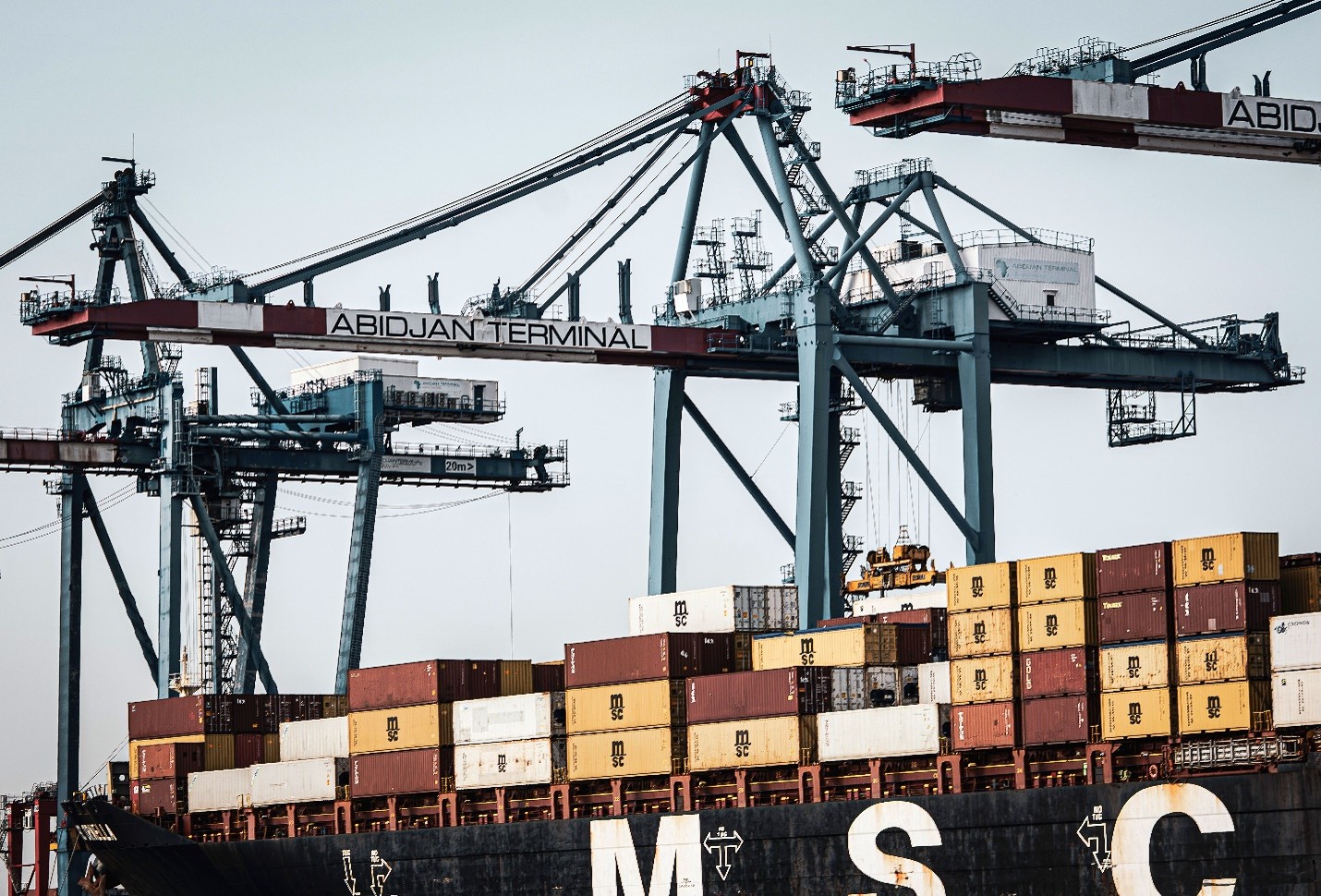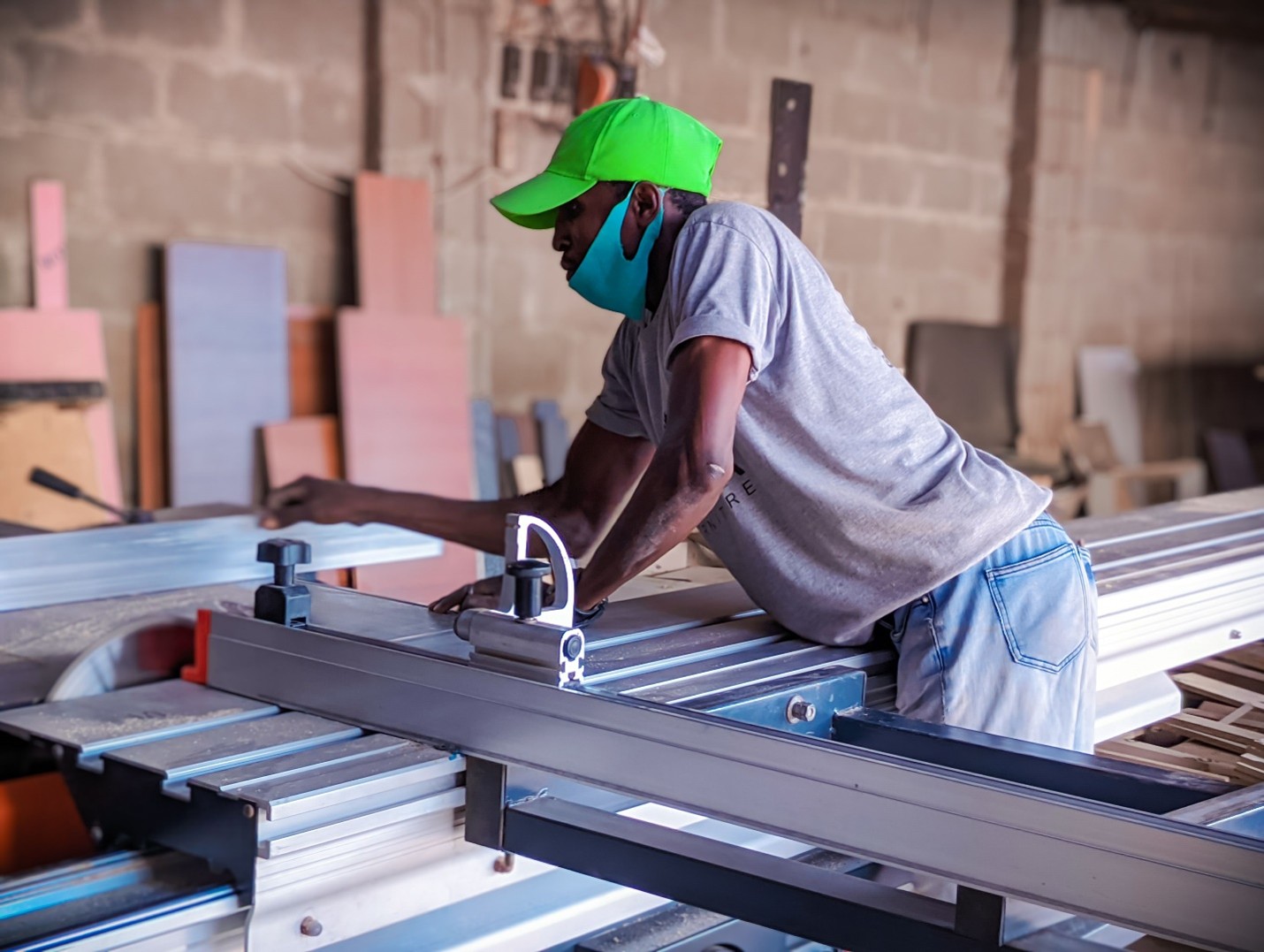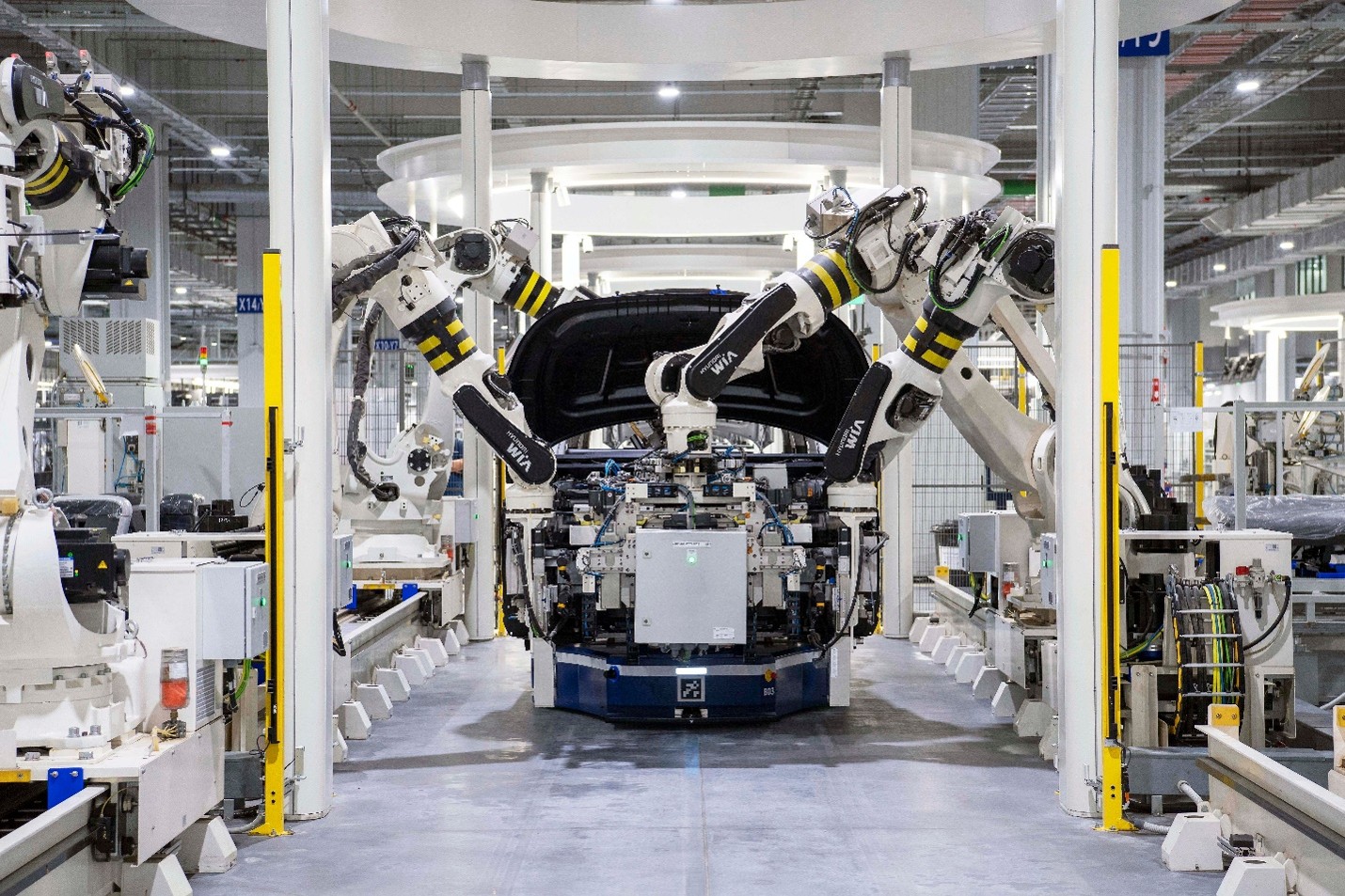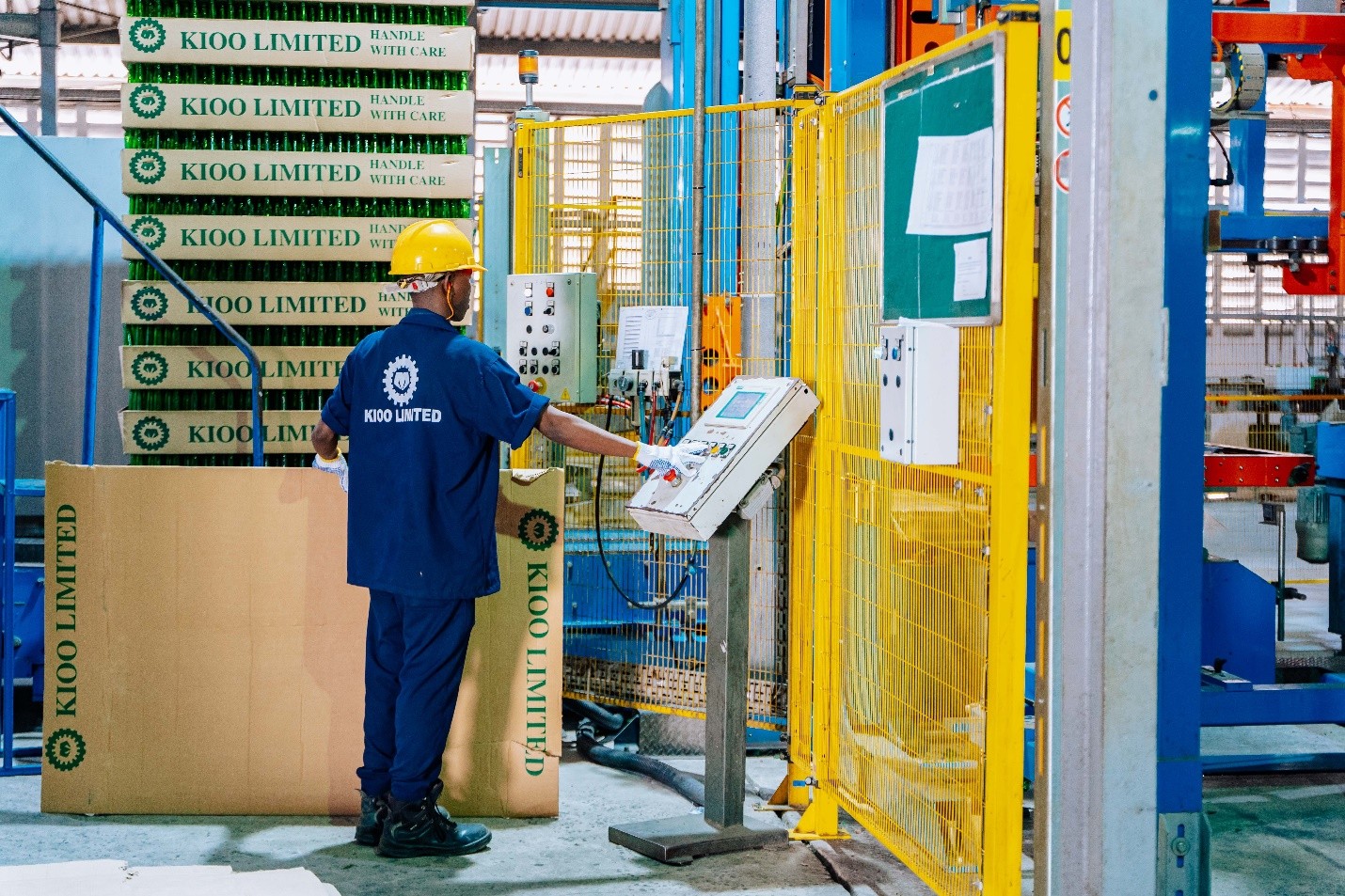
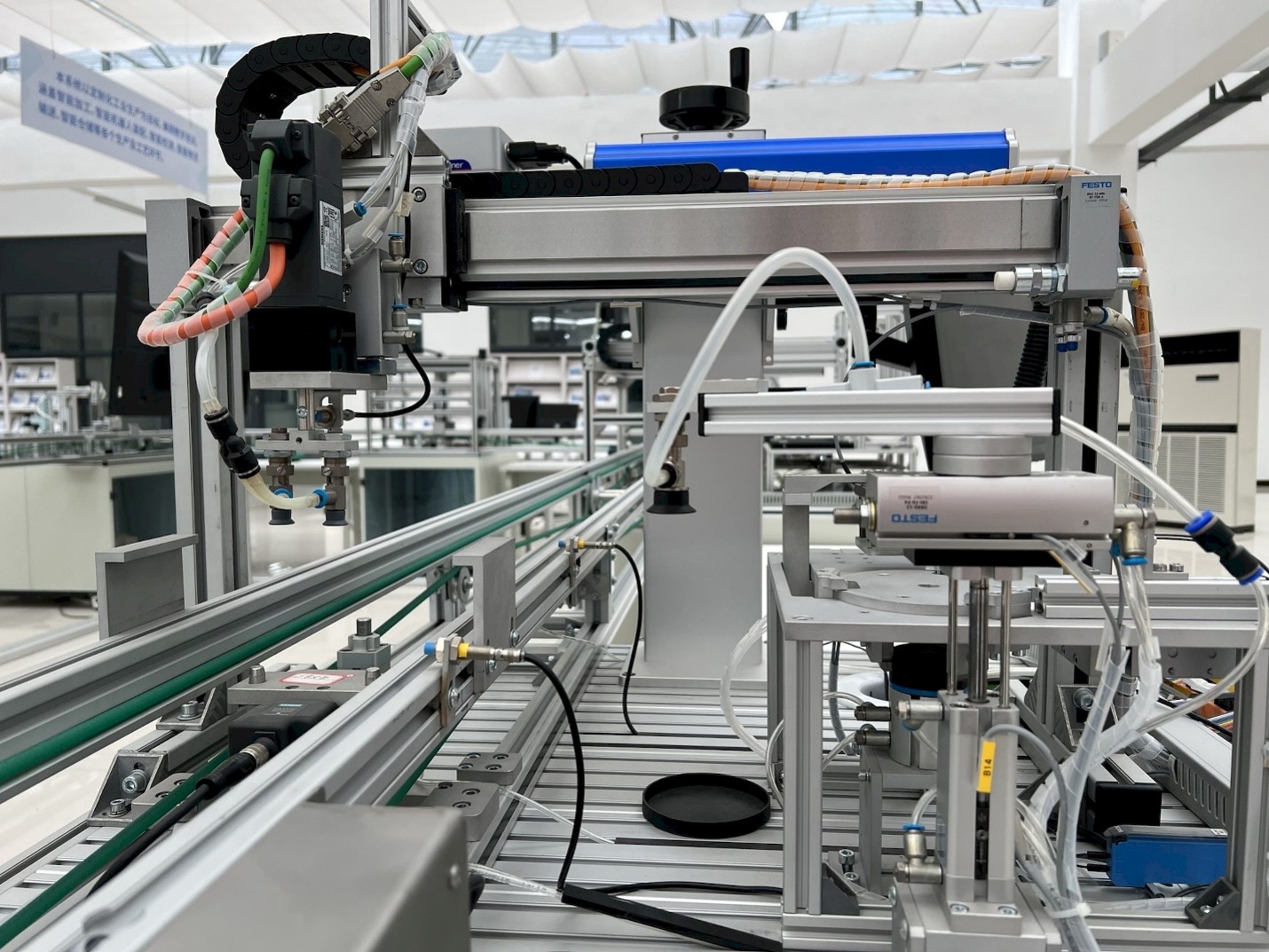
The opportunity is significant, but so are the execution challenges. According to the World Bank, full implementation of the AfCFTA could increase African incomes by around 7% by 2035, while a deeper integration scenario projects 9% income growth, 109% growth in intra-African exports, and 32% growth in exports to the rest of the world, with manufactured goods accounting for much of these gains. Rather than guaranteeing industrial success, these projections illustrate the scale of the opportunity if governments and businesses address persistent constraints such as logistics, financing, infrastructure, standards compliance, and regulatory coordination.
The companies most likely to shape Africa's next industrial chapter will therefore be those capable of scaling beyond protected domestic markets into regional and international value chains. Their competitiveness will depend less on government protection and more on productivity, technology adoption, operational efficiency, and market integration.
________________________________________
Why This Matters
Industrialisation remains one of the most reliable pathways for sustained economic transformation. Manufacturing generally creates stronger productivity gains than primary commodity extraction because it encourages technology transfer, develops supplier ecosystems, supports higher-skilled employment, and increases domestic value addition.
Africa continues to rely heavily on exports of raw commodities while importing many finished products. This pattern leaves economies vulnerable to commodity price volatility and limits the amount of value retained within domestic markets. Expanding manufacturing capacity enables countries to capture a greater share of the value generated from their own natural resources while creating stronger industrial ecosystems.
The AfCFTA changes the economic calculus. By creating a continental market covering approximately 1.3 billion people with a combined GDP of around US$3.4 trillion, the agreement provides manufacturers with access to a much larger customer base than individual national markets. This scale can improve production efficiency, attract investment, and justify larger manufacturing facilities that would otherwise be uneconomical.
However, market access alone will not produce industrial champions. Businesses must also overcome persistent barriers including unreliable electricity, high logistics costs, limited access to long-term finance, fragmented regulations, and inconsistent implementation of trade agreements. Success will therefore depend on execution rather than policy ambition alone.
________________________________________
Three Industrial Champions Illustrating the Shift
Rather than relying on numerous loosely documented examples, three well-established cases illustrate how African industrialisation is evolving.
1. Dangote Refinery: Moving Up the Energy Value Chain
Nigeria's Dangote Refinery represents one of Africa's largest industrial investments. Designed with a nameplate capacity of 650,000 barrels per day, the refinery seeks to reduce Nigeria's dependence on imported refined petroleum products while strengthening regional fuel supply.
Its significance extends beyond refining capacity. Large industrial projects of this scale stimulate demand across engineering, logistics, maintenance, shipping, financial services, and supporting manufacturing industries. They also demonstrate how large-scale domestic processing can capture significantly more economic value than exporting raw materials alone.
The refinery illustrates an important lesson for policymakers: industrial transformation is not only about replacing imports, but about creating integrated industrial ecosystems capable of supporting wider economic development.
________________________________________
2. Morocco's Automotive and Battery Ecosystem
Morocco has steadily positioned itself as one of Africa's leading automotive manufacturing hubs through long-term industrial policy, investment in export infrastructure, and integration with European supply chains.
Recent investment announcements further reinforce this trajectory. Chinese battery manufacturer Gotion High-Tech announced plans for a US$1.3 billion battery facility in Morocco with an initial annual production capacity of 20 GWh, strengthening the country's role in the emerging electric vehicle supply chain.
Rather than relying solely on natural resource exports, Morocco has focused on developing an integrated manufacturing ecosystem that combines assembly, component production, logistics, workforce development, and export capabilities.
This demonstrates how industrial competitiveness increasingly depends on ecosystem development rather than isolated factories.
________________________________________
3. OCP Group: Adding Value Through Industrial Processing
Morocco's OCP Group illustrates another dimension of industrial leadership: moving from raw resource extraction toward higher-value industrial production.
As one of the world's leading phosphate producers, OCP has invested extensively in fertilizer manufacturing, allowing greater value to be captured domestically before products enter international markets.
The company also demonstrates how industrial champions increasingly combine manufacturing with research, innovation, sustainability initiatives, and international partnerships rather than competing solely on resource availability.
For many African resource-rich economies, similar approaches could generate significantly greater economic returns than exporting unprocessed minerals or agricultural commodities.
________________________________________
The Common Characteristics of Industrial Champions
Although these companies operate in different sectors, they share several characteristics that distinguish scalable industrial businesses from traditional import-substitution models:
• Long-term capital investment supported by patient financing.
• Integration into regional or global supply chains.
• Significant investment in technology and operational efficiency.
• Strong logistics and export infrastructure.
• Workforce development and technical skills.
• Close alignment with national industrial strategies without depending solely on government protection.
These characteristics matter because industrial competitiveness increasingly depends on productivity and integration rather than low labour costs alone.
Who It Affects
Business Leaders and Manufacturers
For manufacturers, the shift from import substitution to regional competitiveness requires a different operating model. Producing for a protected domestic market is fundamentally different from competing across multiple African markets where buyers increasingly demand internationally recognised quality standards, reliable delivery schedules, competitive pricing, and consistent product performance.
Companies that invest early in productivity improvements, automation, quality assurance, and supply chain resilience are likely to be better positioned to benefit from expanding regional trade. Manufacturers that continue relying primarily on tariff protection without improving operational efficiency may struggle as regional competition intensifies under AfCFTA.
________________________________________
Investors and Financial Institutions
Industrialisation presents growing opportunities for private equity firms, commercial banks, institutional investors, sovereign wealth funds, and development finance institutions seeking exposure to Africa's long-term economic transformation.
Manufacturing projects typically require significant upfront capital and longer investment horizons than many service-sector businesses. Access to patient capital therefore becomes a critical competitive advantage.
According to the World Bank, access to finance remains one of the principal constraints facing small and medium-sized enterprises (SMEs), despite SMEs accounting for around 90% of businesses globally and generating more than half of employment worldwide. Closing financing gaps will be essential if African manufacturers are to scale beyond domestic production into regional exports.
For investors, this creates opportunities not only in factories themselves but also across industrial infrastructure, logistics, warehousing, industrial parks, digital trade platforms, and export finance.
________________________________________
Governments and Policymakers
Governments remain central to industrial development, but their role is evolving.
Rather than protecting domestic industries indefinitely, policymakers increasingly need to create conditions that enable firms to compete internationally. This includes improving transport infrastructure, expanding reliable electricity access, simplifying customs procedures, harmonising standards, strengthening trade facilitation, and investing in workforce development.
The success of industrial hubs such as Morocco's automotive ecosystem illustrates that industrial competitiveness depends on sustained policy consistency over many years rather than short-term incentives alone.
Implementation of AfCFTA commitments—including rules of origin, customs cooperation, and regulatory alignment—will also determine how quickly manufacturers can expand across African markets.
________________________________________
Development Finance Institutions
Institutions such as the African Development Bank, Afreximbank, the International Finance Corporation (IFC), and regional development banks are expected to continue playing a significant role in financing industrial expansion.
Beyond providing capital, these institutions help reduce investment risk through guarantees, blended finance structures, technical assistance, and trade finance programmes that enable manufacturers to enter new markets.
As regional manufacturing becomes more sophisticated, collaboration between public and private finance will become increasingly important for scaling industrial investment.
________________________________________
Where the Opportunity Lies
Industrial development opportunities vary considerably across sectors. Rather than attempting to build manufacturing capacity everywhere simultaneously, policymakers and investors should prioritise industries where Africa possesses clear comparative advantages.
Advanced Agro-Processing
Africa remains a major producer of agricultural commodities, yet much of the value created through processing, packaging, branding, and distribution continues to occur outside the continent.
Expanding domestic food processing can increase export earnings, reduce post-harvest losses, improve food security, and generate employment across rural and urban economies.
Opportunities extend beyond staple foods into higher-value products such as processed cocoa, coffee, fruit concentrates, edible oils, dairy products, specialty foods, and consumer packaged goods.
________________________________________
Automotive and Electric Vehicle Supply Chains
The global transition towards electric mobility presents an opportunity for African economies to participate in new industrial value chains rather than only supplying raw minerals.
Countries with established automotive industries, supportive industrial policies, and improving logistics networks may be particularly well positioned to attract investment in battery manufacturing, component production, vehicle assembly, and related engineering services.
Success will depend on integrating into international supply chains while simultaneously strengthening regional demand.
________________________________________
Critical Minerals and Downstream Manufacturing
Africa possesses significant reserves of minerals required for clean energy technologies, including lithium, cobalt, manganese, graphite, and rare earth elements.
The greater economic opportunity lies not only in extraction but increasingly in downstream processing, refining, battery materials, and advanced manufacturing.
Countries able to capture additional stages of these value chains may generate substantially higher economic returns than those exporting unprocessed minerals alone.
________________________________________
Industrial Services
Industrial growth also creates demand for sectors that receive less attention but are equally important.
These include:
• Industrial logistics
• Warehousing
• Packaging
• Engineering services
• Equipment maintenance
• Industrial software
• Quality certification
• Supply chain management
• Export consulting
• Industrial cybersecurity
As manufacturing expands, these supporting industries often become major employers and sources of innovation in their own right.
________________________________________
What Decision-Makers Should Do Next
1. Prioritise Competitive Industries
Governments and investors should focus resources on sectors where competitive advantages already exist or can realistically be developed.
Rather than attempting to build every industry simultaneously, concentrating investment around strategic clusters can generate stronger productivity gains and attract complementary private investment.
________________________________________
2. Invest Beyond the Factory
Industrial competitiveness depends on far more than production facilities.
Reliable electricity, efficient ports, modern transport networks, digital infrastructure, customs efficiency, standards laboratories, and skilled workers all contribute to manufacturing performance.
Investment strategies should therefore view industrialisation as an ecosystem rather than a collection of individual factories.
________________________________________
3. Strengthen Regional Value Chains
Businesses should increasingly view Africa as an integrated production network rather than a series of isolated national markets.
Different countries possess complementary advantages in raw materials, manufacturing capability, logistics, and consumer demand. Building regional supply chains can improve resilience, reduce costs, and expand export opportunities.
________________________________________
4. Expand Access to Industrial Finance
Long-term manufacturing investment requires financing structures that match industrial project timelines.
Commercial lenders, institutional investors, export credit agencies, and development finance institutions should continue expanding financing mechanisms tailored to industrial businesses, particularly SMEs seeking to scale production and enter export markets.
Reducing financing constraints will be critical if manufacturing is to become a larger driver of employment and economic diversification.
________________________________________
5. Measure Success Through Productivity, Not Protection
Industrial policy should increasingly be evaluated by improvements in productivity, export competitiveness, technology adoption, and integration into regional and global value chains rather than by the number of protected industries created.
Sustainable industrial champions ultimately compete because they are efficient, innovative, and internationally competitive—not because they remain shielded from competition.
________________________________________
Conclusion
Africa's next generation of industrial champions will be defined less by the size of domestic markets than by their ability to participate in regional and global production networks.
The opportunities created by AfCFTA, growing manufacturing investment, and evolving global supply chains are substantial, but they are not guaranteed. Success will depend on sustained investment in infrastructure, skills, finance, governance, and productivity.
The companies that emerge as industrial leaders over the next decade are likely to be those that combine operational excellence with regional ambition, supported by policy environments that reward competitiveness rather than dependence. For business leaders, investors, and policymakers, the strategic question is no longer whether Africa can industrialise, but how quickly its most competitive firms can move from serving domestic demand to becoming regional and global manufacturers.
Source & Methodology
This article was produced using a structured editorial methodology designed for executive and institutional audiences.
The analysis combines official publications from multilateral development institutions, government-backed trade initiatives, and internationally recognised business reporting. Priority was given to primary sources, including publications from the World Bank, AfCFTA Secretariat, Afreximbank, IFC, and the United Nations, while Reuters reporting was used to verify company developments and recent industrial investment announcements where official corporate disclosures were not readily accessible.
Every material economic assertion is based on publicly available evidence current at the time of publication. Statistics are presented using their original reporting periods wherever possible, and projections are clearly distinguished from observed outcomes.
Rather than providing an exhaustive survey of African manufacturing, this article focuses on verified case studies that illustrate broader structural trends in industrialisation, regional integration, and value-chain development. Company examples were selected because they represent publicly documented investments or operational milestones rather than promotional claims.
The analysis is intended to inform strategic decision-making by business leaders, investors, policymakers, and development finance institutions. It does not constitute investment, legal, or financial advice. Readers should consult the original publications referenced above for the most current data and sector-specific guidance.