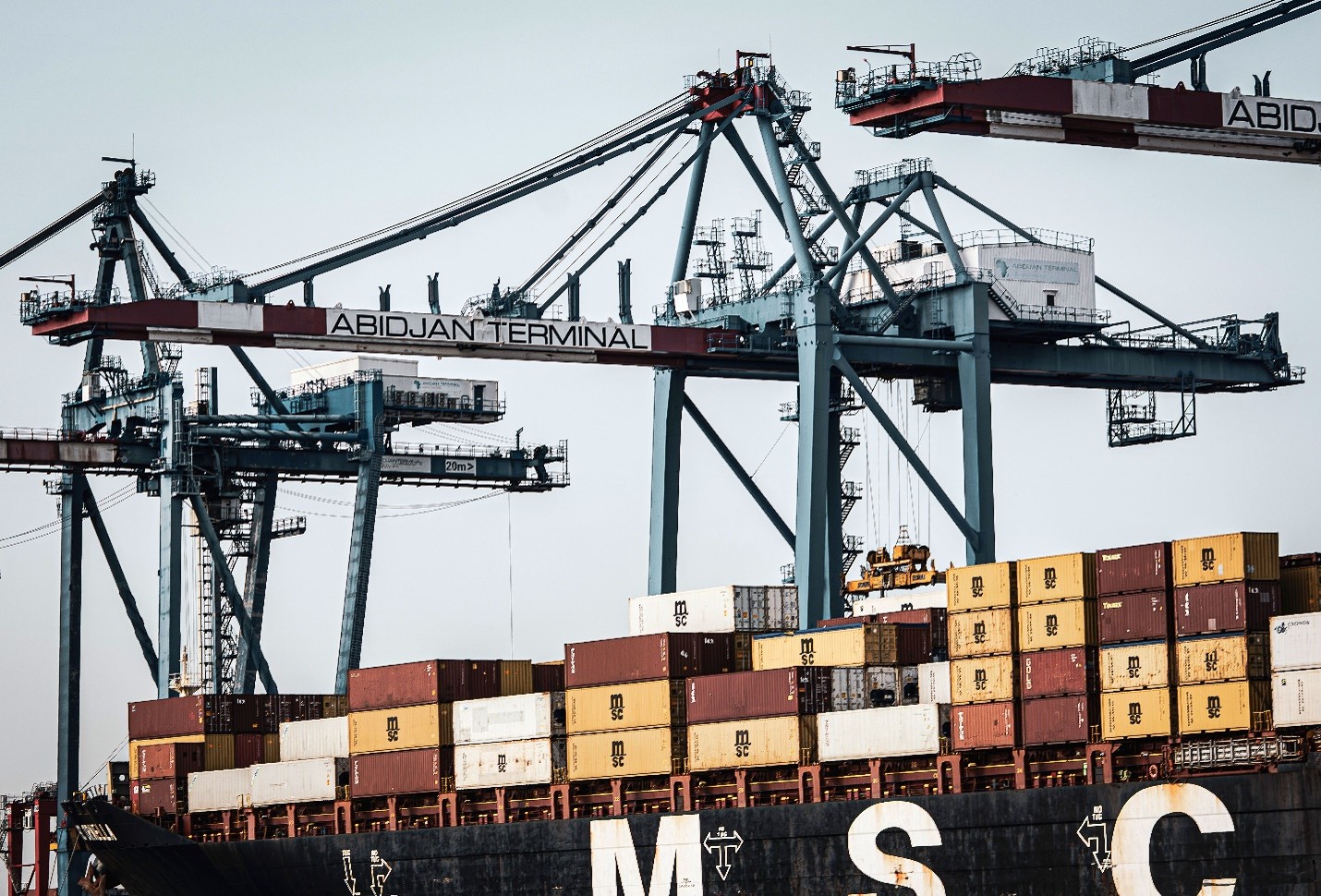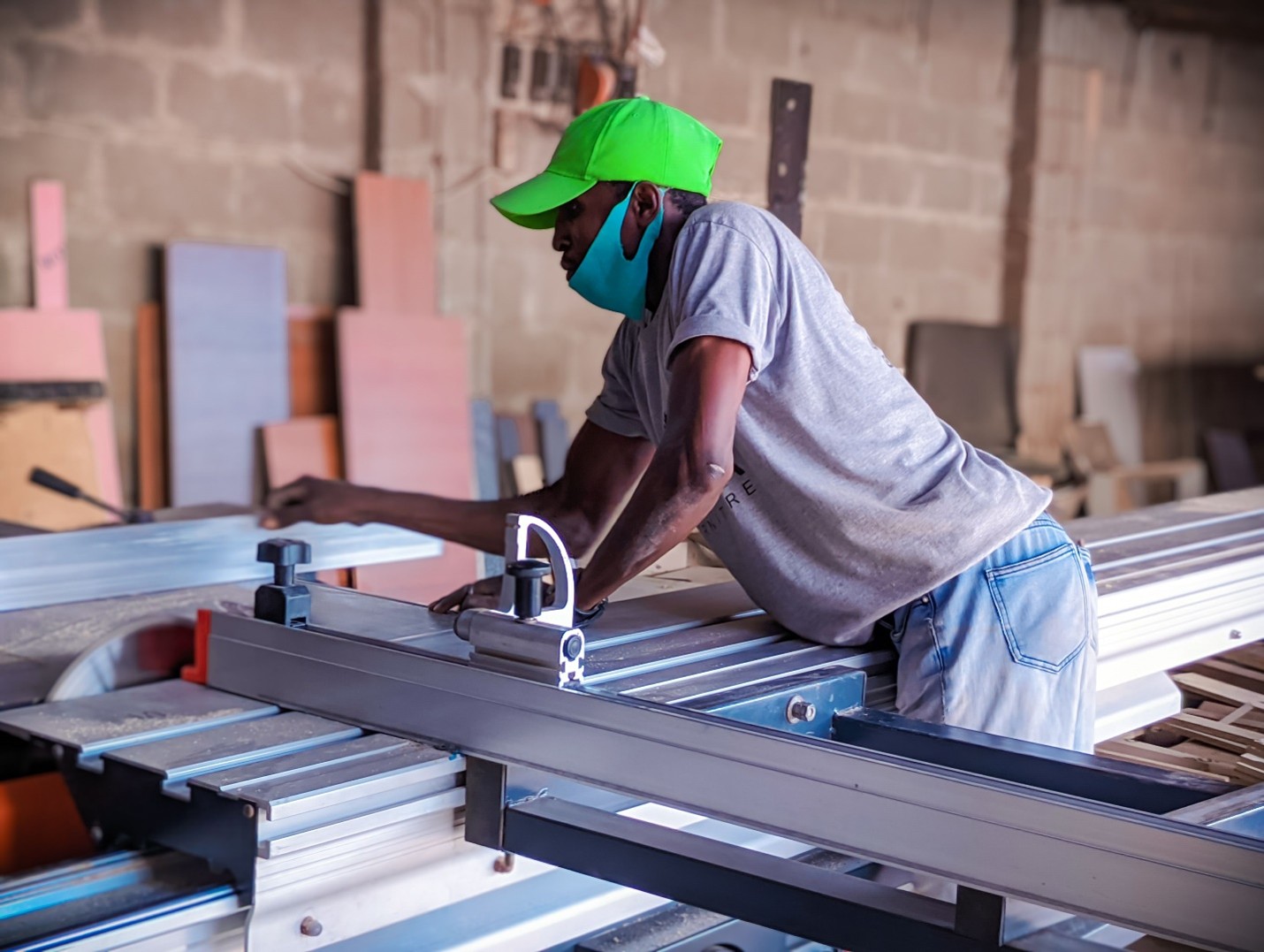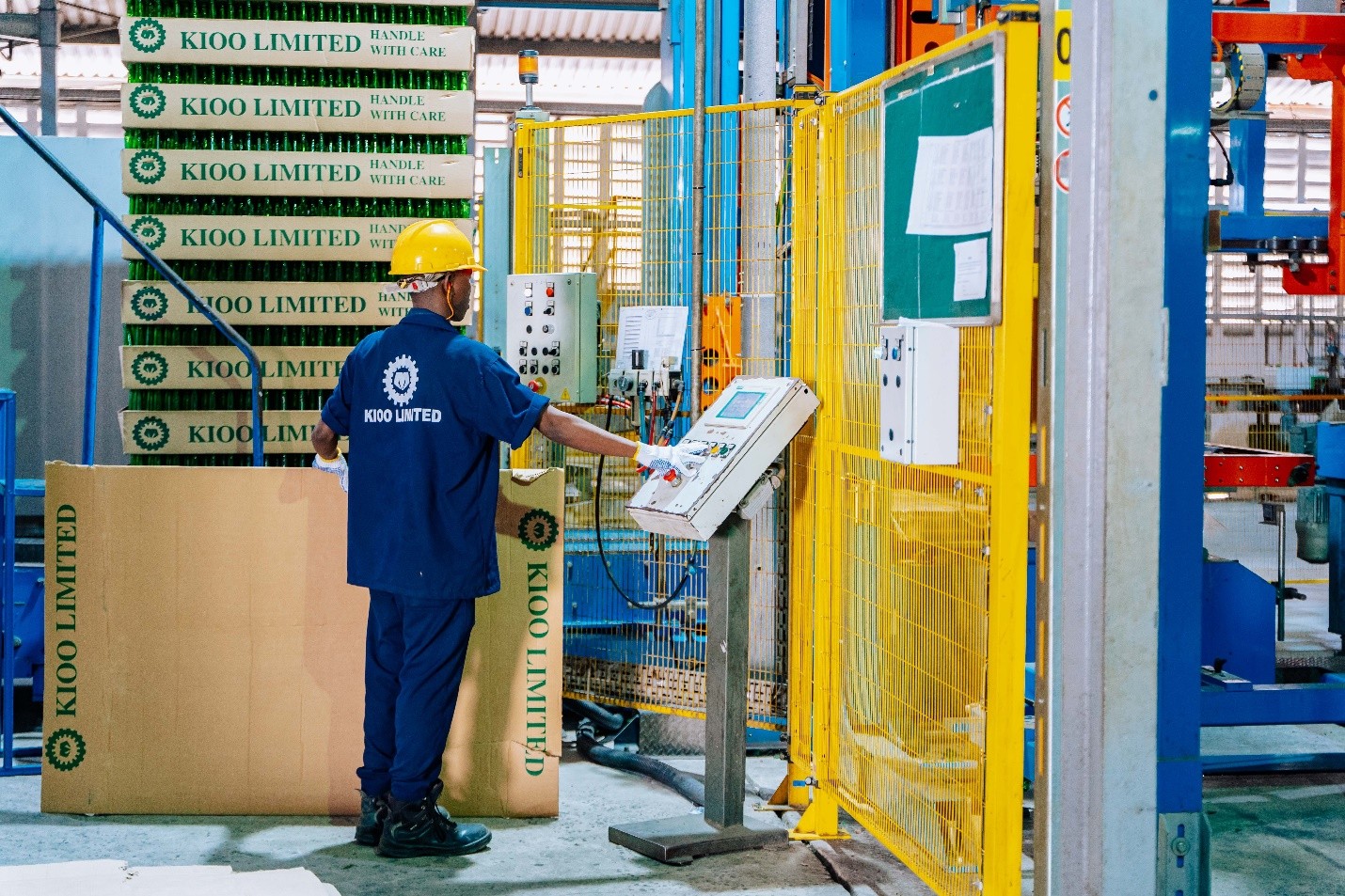
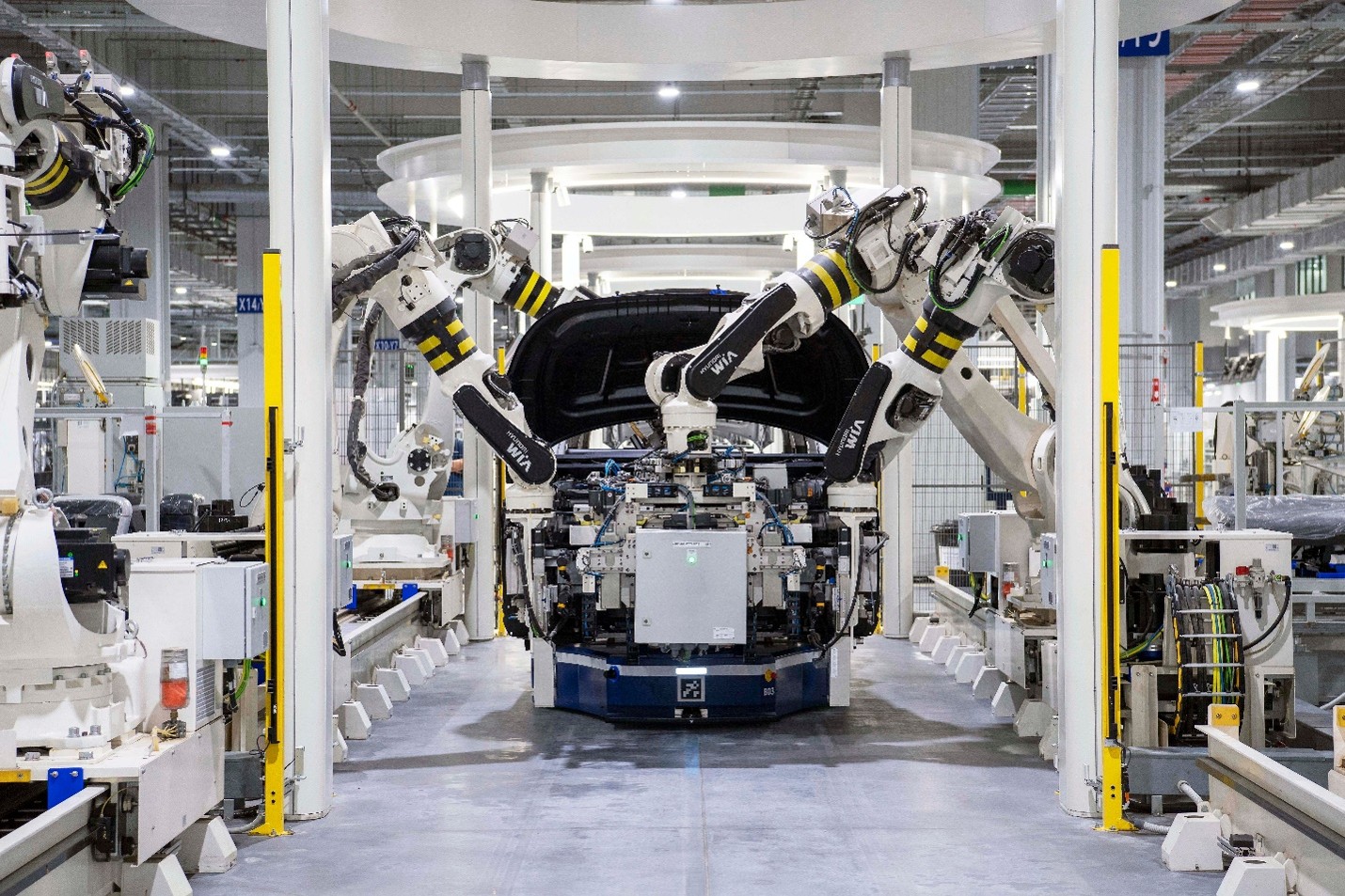
A combination of demographic growth, the African Continental Free Trade Area (AfCFTA), changing global supply chains, expanding regional consumer markets and renewed industrial policy is creating an opportunity for African economies to capture more value within their borders. The question is no longer whether Africa can manufacture competitively in selected industries, but which countries, sectors and firms are best positioned to build globally competitive industrial brands over the next decade.
Across the continent, governments are investing in industrial parks, logistics infrastructure and export-processing zones. Manufacturers are expanding into automotive assembly, pharmaceuticals, agro-processing, building materials, renewable energy components and consumer goods. International investors are reassessing production networks as companies seek to diversify supply chains beyond traditional manufacturing hubs.
Yet industrialisation remains uneven. Infrastructure deficits, limited access to long-term finance, fragmented markets and regulatory inconsistencies continue to constrain competitiveness. While Africa represents nearly one-fifth of the world's population, it contributes only a small share of global manufacturing output and merchandise exports. Closing that gap will require more than factory construction; it will demand coordinated industrial policy, stronger institutions, investment in skills, deeper regional integration and greater private-sector participation.
The emergence of globally recognised African industrial brands will therefore become a defining measure of the continent's economic transformation. Success will not be determined solely by production volumes, but by the ability of African companies to innovate, compete internationally, integrate into regional and global value chains, and create sustainable employment at scale.
Why It Matters
Industrialisation remains one of the most effective pathways to sustained economic transformation. Manufacturing generally delivers higher productivity than subsistence agriculture and many low-value service sectors because it generates economies of scale, encourages technological upgrading and creates linkages across logistics, finance, engineering, construction and professional services.
For African economies, expanding manufacturing is not simply an industrial objective; it is a strategic economic necessity.
Population growth is expected to make Africa home to the world's largest workforce over the coming decades. Creating sufficient productive employment will require industries capable of absorbing millions of workers while simultaneously increasing exports and reducing dependence on imported manufactured goods.
The challenge is particularly significant because many African economies continue to rely heavily on commodity exports whose revenues fluctuate with global price cycles. Commodity dependence exposes public finances, exchange rates and investment flows to external shocks. A broader manufacturing base can improve economic resilience by diversifying exports, expanding domestic value addition and strengthening fiscal stability.
Recent geopolitical developments have also altered the global manufacturing landscape. Supply-chain disruptions experienced during the COVID-19 pandemic, combined with geopolitical tensions, rising labour costs in parts of Asia and increasing interest in supply-chain diversification, have prompted multinational companies to reconsider production locations. Countries able to provide reliable infrastructure, predictable regulation and competitive labour markets are increasingly viewed as potential destinations for new manufacturing investment.
Africa enters this period with several structural advantages. The continent possesses abundant natural resources required for modern industries, including critical minerals essential for electric vehicles, battery technologies and renewable energy systems. It also has one of the world's youngest populations, expanding urban consumer markets and a continental free trade framework designed to improve market access across borders.
However, demographic advantage alone does not create industrial competitiveness. Without sustained investment in transport networks, electricity generation, technical education, digital infrastructure and trade facilitation, the opportunity could remain largely unrealised.
The next decade therefore represents a critical window in which African governments, businesses and investors must determine whether the continent becomes a larger participant in global manufacturing or remains primarily a supplier of raw materials.
Who It Affects
Governments and Policymakers
National governments will determine much of Africa's industrial trajectory through trade policy, investment frameworks, taxation, infrastructure planning and regulatory certainty.
Countries that establish consistent industrial strategies, improve customs efficiency, strengthen standards agencies and facilitate regional trade are likely to attract greater manufacturing investment than those characterised by policy volatility and administrative bottlenecks.
Industrial competitiveness increasingly depends on predictable institutions rather than temporary incentives alone.
Investors and Financial Institutions
Institutional investors, development finance institutions, sovereign wealth funds and private equity firms are likely to play a central role in financing industrial expansion.
Manufacturing projects typically require significant long-term capital for factory construction, logistics infrastructure, technology acquisition and workforce development. Commercial banks alone rarely provide financing at the scale or tenor required.
As a result, blended finance structures, development finance partnerships and industrial investment funds are expected to become increasingly important in supporting African manufacturing growth.
African Manufacturers
For domestic manufacturers, the opportunity extends beyond import substitution.
The most competitive firms are increasingly positioning themselves to supply regional markets under AfCFTA while simultaneously pursuing export opportunities in Europe, North America, the Middle East and Asia.
Companies capable of meeting international quality standards, strengthening corporate governance and investing in technology will likely be better positioned to participate in global supply chains than firms focused solely on domestic demand.
Small and Medium-Sized Enterprises
SMEs represent the backbone of most African economies, yet relatively few participate directly in export-oriented manufacturing.
Industrial expansion creates opportunities for SMEs to integrate into supplier networks by providing packaging, logistics, maintenance services, engineering support, digital solutions and specialised manufacturing inputs.
Rather than competing directly with large manufacturers, many SMEs stand to benefit most by becoming essential participants within broader industrial ecosystems.
Regional Consumers
Industrialisation also has implications for consumers.
Greater local production can reduce dependence on imported goods, improve product availability, shorten supply chains and increase competition. Over time, stronger domestic manufacturing sectors may contribute to more resilient pricing, greater product diversity and higher quality standards across consumer markets.
For regional economies, industrial growth therefore supports both production and consumption, reinforcing broader economic integration across the continent.
Where the Opportunity Is
Africa's industrial opportunity is no longer defined by the aspiration to manufacture more products. It is increasingly about identifying the sectors where the continent possesses durable competitive advantages and can capture greater value from global production networks.
The next generation of African industrial champions is unlikely to emerge from every sector simultaneously. Instead, leadership will develop in industries where natural resources, regional demand, policy support, skilled labour and international investment converge.
For executives, investors and policymakers, understanding these emerging clusters is more valuable than simply tracking headline investment announcements.
Automotive and Electric Mobility
The automotive industry has become one of Africa's clearest demonstrations that industrial policy, infrastructure investment and export integration can produce globally competitive manufacturing ecosystems.
Morocco has established itself as the continent's leading automotive manufacturing hub through sustained investment in industrial zones, logistics infrastructure and export-oriented production. International manufacturers now use the country as a manufacturing base serving European, Middle Eastern and African markets, while local suppliers increasingly participate in regional and global automotive supply chains.
South Africa continues to play a significant role through its established vehicle manufacturing sector, although competitive pressures are reshaping its long-term position.
Beyond vehicle assembly, the next phase of opportunity lies within the broader electric mobility ecosystem.
Africa possesses significant reserves of minerals essential to battery manufacturing, including cobalt, manganese, graphite and phosphate. Rather than exporting these resources in raw form, governments are increasingly seeking investment in battery processing, component manufacturing and electric vehicle supply chains.
Countries capable of combining mineral resources with renewable energy, efficient logistics and supportive industrial policies may emerge as important participants in the global energy transition.
For investors, the opportunity extends beyond vehicle production into battery materials, charging infrastructure, industrial minerals, software integration and specialised engineering services.
Agribusiness and Food Processing
Agriculture remains Africa's largest employer, yet a significant proportion of agricultural exports continue to leave the continent with minimal processing.
This represents one of the largest untapped industrial opportunities.
Instead of exporting cocoa beans, coffee, cashew nuts, cotton, fruits or oilseeds as primary commodities, greater value can be retained through processing, packaging, branding and regional distribution.
Consumer demand is also evolving.
Rapid urbanisation, population growth and the expansion of middle-income households are increasing demand for packaged foods, beverages, dairy products and processed agricultural goods across African markets.
Companies capable of building trusted regional consumer brands stand to benefit from both domestic demand and export opportunities.
The commercial opportunity therefore extends well beyond farming itself.
Cold-chain logistics, food packaging, agricultural technology, processing equipment, quality assurance, warehousing and retail distribution all represent investable segments within Africa's evolving food manufacturing ecosystem.
Pharmaceuticals and Healthcare Manufacturing
The COVID-19 pandemic exposed structural vulnerabilities in Africa's healthcare supply chains.
Many countries experienced shortages of medicines, vaccines and medical equipment because production remained concentrated outside the continent.
That experience accelerated efforts to strengthen domestic pharmaceutical manufacturing.
Several governments are now pursuing policies designed to expand local production of medicines, vaccines and essential healthcare products while attracting international pharmaceutical partnerships.
For investors, pharmaceutical manufacturing offers attractive long-term fundamentals.
Population growth, urbanisation, rising healthcare expenditure and increasing public investment suggest demand for medicines will continue expanding over the coming decades.
However, success will depend on more than factory construction.
Competitive pharmaceutical industries require regulatory credibility, quality assurance, research partnerships, skilled scientific talent and reliable manufacturing standards capable of meeting international export requirements.
Countries that develop these capabilities may position themselves as regional healthcare manufacturing hubs rather than remaining primarily import-dependent markets.
Building Materials and Industrial Inputs
Industrialisation cannot occur without industries that supply industrialisation itself.
Cement, steel, glass, chemicals, ceramics, cables, construction materials and industrial equipment form the backbone of every manufacturing economy.
Africa's continuing investment in housing, transport infrastructure, energy systems and urban development is generating sustained demand for these products.
Rather than relying heavily on imports, many countries are expanding domestic production capacity to support infrastructure programmes while reducing exposure to foreign exchange volatility.
For manufacturers, industrial inputs represent comparatively stable long-term markets because demand is closely linked to broader economic development rather than short-term consumer cycles.
Renewable Energy Manufacturing
Africa's energy transition presents a manufacturing opportunity as well as an infrastructure challenge.
Demand for solar components, battery storage systems, electrical equipment and energy technologies continues to expand across commercial, industrial and residential markets.
While imported technologies currently dominate many markets, opportunities are emerging for local assembly, component manufacturing and specialised engineering services.
Industrial growth and energy security are increasingly interconnected.
Manufacturers require reliable electricity to remain internationally competitive, while expanding renewable energy industries create entirely new manufacturing ecosystems.
Countries capable of integrating industrial policy with clean-energy investment may therefore gain competitive advantages across multiple sectors simultaneously.
Digital Manufacturing and Advanced Industry
The definition of manufacturing competitiveness is evolving.
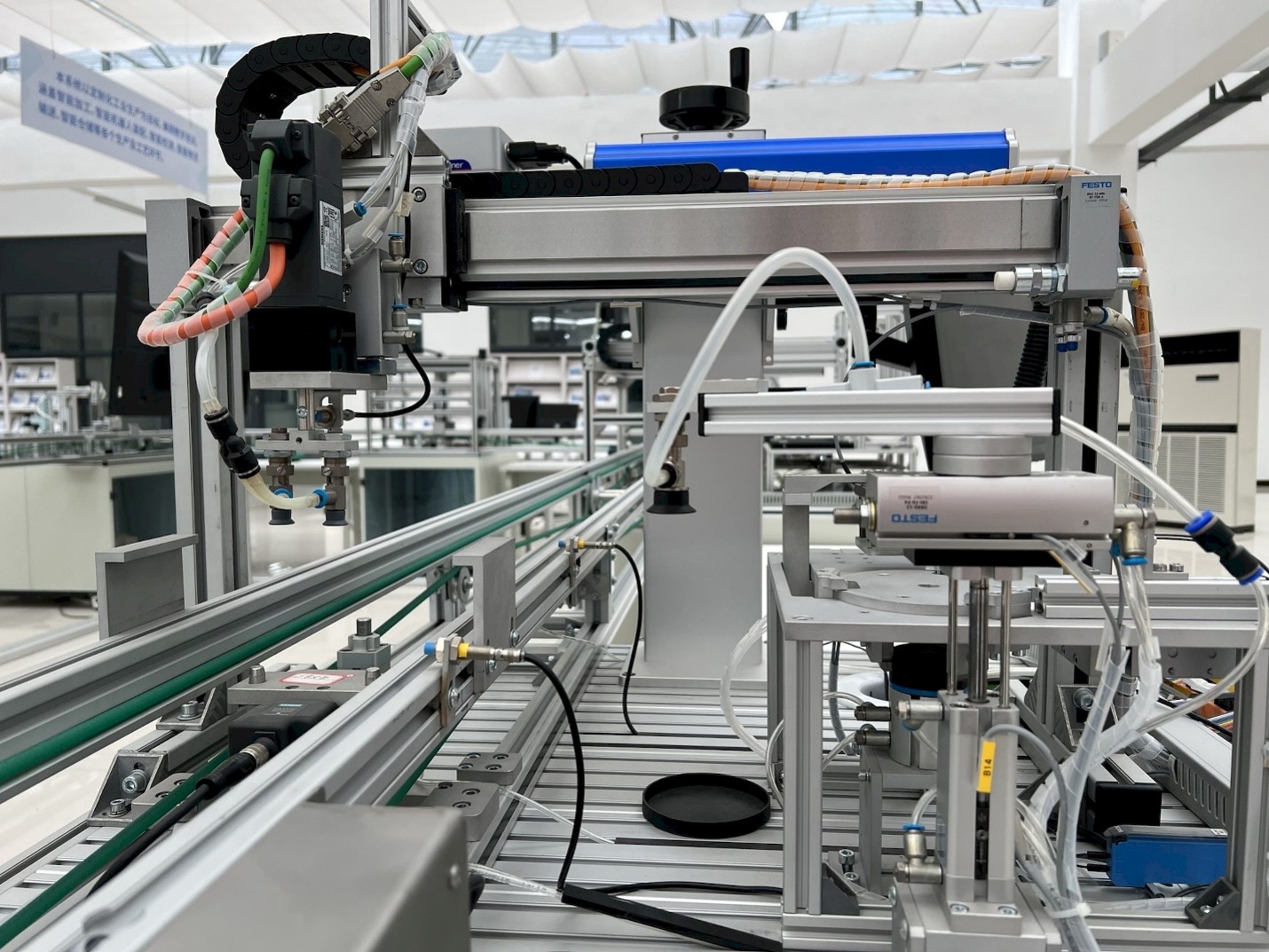
Modern factories increasingly depend on automation, robotics, artificial intelligence, digital engineering and advanced supply-chain management rather than labour costs alone.
For African manufacturers, this presents both challenges and opportunities.
Emerging technologies reduce some of the disadvantages traditionally associated with smaller production volumes while allowing firms to integrate into specialised global supply chains.
Industrial competitiveness will increasingly depend upon engineering capability, software integration, digital design, precision manufacturing and workforce skills.
Countries investing today in technical education, engineering research and industrial innovation ecosystems are likely to benefit disproportionately as advanced manufacturing expands.
Strategic Signals Decision-Makers Should Monitor
Industrial transformation rarely occurs through isolated announcements.
Instead, executives should monitor structural indicators that signal whether industrial ecosystems are genuinely strengthening.
Among the most important indicators are:
Growth in manufacturing exports rather than raw commodity exports.
Rising levels of regional trade in manufactured products under AfCFTA.
Expansion of industrial parks and special economic zones reaching sustainable occupancy.
Increasing foreign direct investment into productive manufacturing rather than extractive industries alone.
Growth in supplier networks supporting large manufacturers.
Improvements in electricity reliability, logistics performance and customs efficiency.
Greater investment in technical education, engineering capacity and vocational training.
Expansion of domestic capital markets capable of financing industrial projects.
Viewed together, these indicators provide a more accurate assessment of industrial competitiveness than headline announcements of individual factories or investment pledges.
The countries that consistently improve across these structural measures are likely to become Africa's leading manufacturing economies over the next decade, while those relying primarily on isolated flagship projects may struggle to build resilient industrial ecosystems capable of sustaining long-term export growth.
Market Signals and Strategic Risks
Africa's industrial momentum is becoming more visible, but momentum should not be mistaken for transformation. Across the continent, governments are announcing new industrial parks, multinational manufacturers are expanding production capacity, and regional trade agreements are creating larger addressable markets. These developments represent encouraging signals, yet serious decision-makers should distinguish between industrial activity and industrial competitiveness.
The strength of Africa's manufacturing future will depend on whether individual investments evolve into interconnected industrial ecosystems.
Signal One: Regional Value Chains Are Beginning to Emerge
The implementation of the African Continental Free Trade Area (AfCFTA) is gradually shifting attention from national manufacturing strategies to regional production networks.
Rather than every country attempting to produce every component, African economies have an opportunity to specialise within cross-border value chains. A vehicle assembled in one country may incorporate batteries, wiring harnesses, steel, textiles or electronic components manufactured elsewhere on the continent. Likewise, agricultural products can increasingly be processed across multiple jurisdictions before reaching export markets.
For manufacturers, this model reduces duplication, improves economies of scale and creates larger markets for specialised suppliers.
The long-term competitiveness of African manufacturing will therefore depend not only on national industrial policy but also on the effectiveness of regional integration.
Signal Two: Investors Are Looking Beyond Commodities
International investors are increasingly assessing African opportunities through the lens of industrial production rather than solely natural resource extraction.
This shift reflects broader changes in global supply chains. Companies are seeking greater geographic diversification, shorter production networks and reduced exposure to geopolitical disruption. Africa's proximity to European markets, expanding consumer base and abundant industrial inputs make several countries increasingly attractive for export-oriented manufacturing.
However, investment decisions remain highly selective.
Investors continue to prioritise jurisdictions that demonstrate macroeconomic stability, predictable regulation, efficient customs administration and reliable infrastructure. Capital follows confidence, and confidence depends as much on institutional quality as on market size.
Signal Three: Industrial Policy Is Becoming More Sophisticated
Earlier generations of industrial policy often focused primarily on attracting foreign factories through tax incentives.
Today's more successful strategies increasingly combine investment promotion with workforce development, supplier development, export support, innovation policy and infrastructure investment.
Governments are recognising that attracting anchor manufacturers is only the beginning. Long-term competitiveness depends upon creating domestic supplier ecosystems capable of supporting those manufacturers while gradually increasing local value addition.
Countries that integrate education, logistics, finance and industrial policy into a coherent strategy are more likely to sustain manufacturing growth over multiple decades.
Strategic Risks
Despite growing optimism, several structural risks continue to shape Africa's industrial outlook.
Infrastructure Constraints
Reliable electricity remains one of the most significant determinants of manufacturing competitiveness.
Production interruptions, high energy costs and transport bottlenecks continue to increase operating expenses across many manufacturing sectors. Industrial expansion cannot outpace infrastructure investment indefinitely.
Power generation, freight rail, ports, highways and digital connectivity should therefore be viewed as industrial investments rather than infrastructure projects alone.
Limited Industrial Finance
Manufacturing requires patient capital.
Factory construction, equipment acquisition and technology upgrades often involve investment horizons extending well beyond conventional commercial lending periods.
Many African manufacturers continue to face limited access to affordable long-term finance, restricting expansion and technological upgrading.
Expanding development finance, blended capital structures and domestic capital markets will therefore remain essential to industrial scaling.
Skills and Productivity
Modern manufacturing increasingly depends upon engineers, technicians, software specialists, quality-control professionals and production managers.
While Africa's youthful population represents an important demographic advantage, demographic growth alone does not guarantee industrial productivity.
Investment in technical education, vocational training and engineering capability will increasingly determine which countries capture higher-value manufacturing opportunities.
Policy Consistency
Industrial investment decisions often span decades.
Frequent regulatory changes, inconsistent trade policy and unpredictable taxation increase investor uncertainty and discourage long-term commitments.
Countries that maintain stable industrial frameworks over successive political administrations are likely to outperform those characterised by policy volatility.
What Decision-Makers Should Do Next
Governments
Governments should move beyond viewing industrialisation primarily as an employment programme.
Instead, manufacturing policy should become part of a broader national competitiveness strategy that integrates trade, infrastructure, education, technology and investment promotion.
Priority actions include accelerating AfCFTA implementation, modernising customs systems, improving electricity reliability, strengthening industrial standards agencies and expanding technical education.
Equally important is the development of transparent regulatory environments capable of attracting both domestic and international investment over the long term.
Business Leaders
Corporate executives should evaluate industrial expansion through regional rather than purely national strategies.
AfCFTA increasingly enables companies to design production systems that serve multiple African markets while positioning selected products for global export.
Manufacturers should also invest in operational excellence, product quality, environmental standards, workforce capability and digital technologies that improve productivity and international competitiveness.
Building globally recognised African brands will depend as much on reputation, consistency and governance as on production capacity.
Investors
Investors should broaden their assessment beyond individual manufacturing projects.
The greatest long-term value is often created by investing across entire industrial ecosystems—including logistics providers, engineering firms, industrial real estate, renewable energy infrastructure, specialised financial services, technology providers and supplier networks.
Evaluating industrial clusters rather than isolated companies provides a more comprehensive understanding of long-term value creation.
Development Finance Institutions
Development finance institutions remain uniquely positioned to reduce investment risk during Africa's industrial transition.
Blended finance, guarantees, technical assistance and catalytic infrastructure investments can unlock private capital that might otherwise remain on the sidelines.
Supporting supplier development programmes, industrial innovation and export competitiveness will become increasingly important alongside traditional infrastructure financing.
Executive Outlook
The next chapter of Africa's economic story is unlikely to be defined solely by the commodities it extracts, but by the products it designs, manufactures and exports.
The countries that succeed will not necessarily be those with the largest populations or the greatest natural resources. They will be those that consistently improve productivity, strengthen institutions, invest in human capital and integrate into regional and global value chains.
For executives, investors and policymakers, the strategic question is no longer whether Africa can industrialise. Across multiple sectors, industrial capabilities are already expanding.
The more important questions are where competitive industrial ecosystems are emerging, which sectors are building sustainable advantages, how value chains are evolving and which businesses are positioning themselves to become globally recognised African industrial brands.
Those who identify these structural shifts early will be better placed to allocate capital, build partnerships and shape policy during one of the most consequential periods of industrial transformation in Africa's modern economic history.
Industrialisation should therefore be viewed not simply as an economic objective but as a long-term strategic transition—one that will influence trade, investment, employment, innovation and geopolitical competitiveness well beyond 2030. For institutions willing to look beyond short-term headlines, the emergence of globally competitive Made in Africa brands represents one of the defining investment and development stories of the coming decade.
Sources & Methodology
This analysis is based on publicly available research, policy papers, trade data and market reporting from leading international and African institutions, including the World Bank Group, African Development Bank (AfDB), African Export-Import Bank (Afreximbank), African Continental Free Trade Area (AfCFTA) Secretariat, United Nations Conference on Trade and Development (UNCTAD), United Nations Industrial Development Organization (UNIDO), International Monetary Fund (IMF), World Trade Organization (WTO), International Finance Corporation (IFC) and the African Union Commission. Market developments and corporate activity were cross-referenced with reporting from Reuters, the Financial Times and official company disclosures where applicable.
The article applies Aldrenor's Premium Intelligence methodology, combining institutional research, economic data, policy analysis and market developments to assess long-term structural trends rather than short-term news events. The analysis reflects the editorial judgement of Aldrenor based on the best publicly available information at the time of publication and is intended for informational purposes only. It should not be considered investment, financial or legal advice.