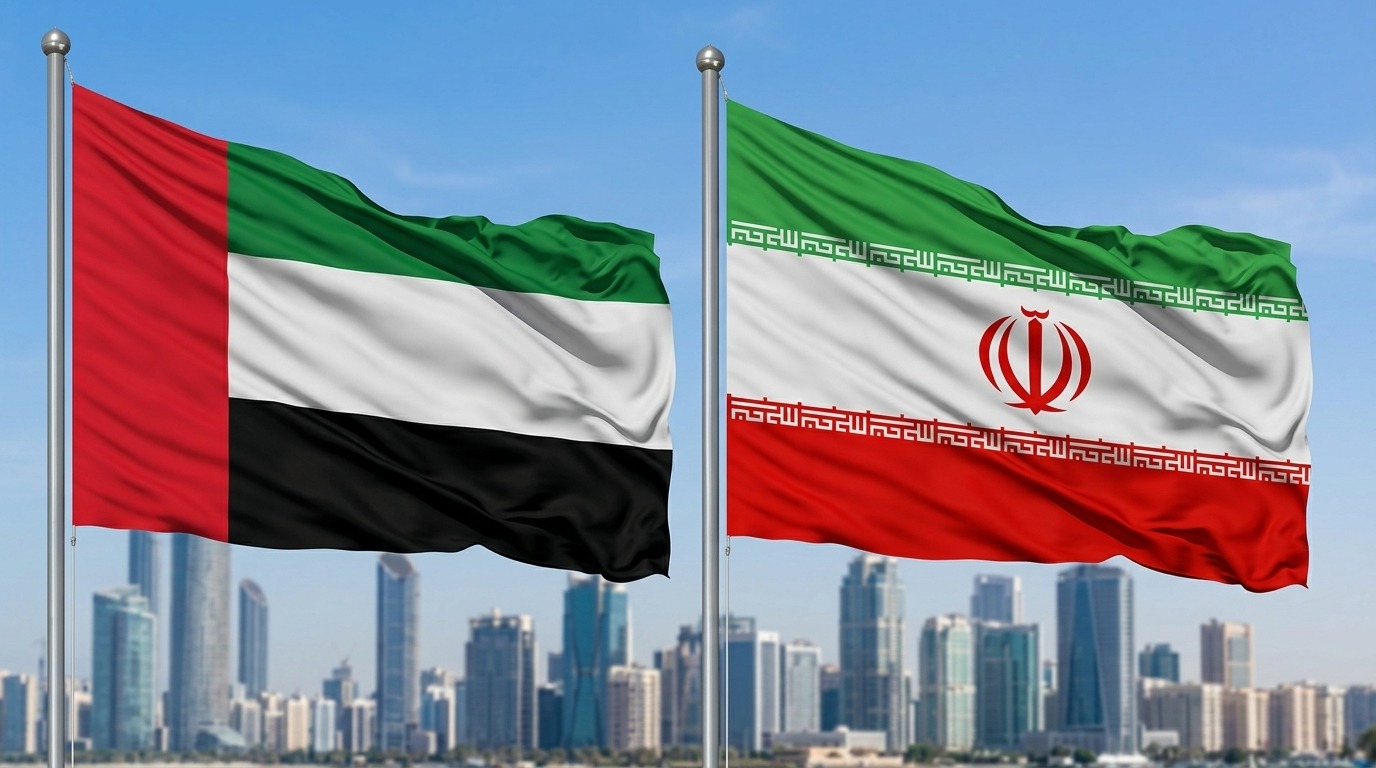
The decision follows the detection of two ballistic missiles that the UAE said were launched from Iran and landed in the sea near the Emirates. Iran denied the accusation. Abu Dhabi subsequently announced the suspension of trade, commercial and financial transactions with Tehran.
The move represents a significant escalation in the economic dimension of the regional conflict. The UAE has historically maintained extensive commercial links with Iran despite political tensions, making Dubai an important trading and financial hub for businesses operating across the Gulf.
Restrictions on financial transactions can affect companies through payment channels, trade finance, logistics and access to working capital. The consequences may extend beyond firms directly engaged with Iran if banks and counterparties increase compliance checks or reduce exposure to transactions involving the wider region.
Financial markets responded cautiously. Abu Dhabi's main stock index fell 0.9%, led by declines in First Abu Dhabi Bank and Aldar Properties, while Dubai's index fell 0.2%. The reaction indicates that investors are beginning to price a wider economic risk from regional security developments.
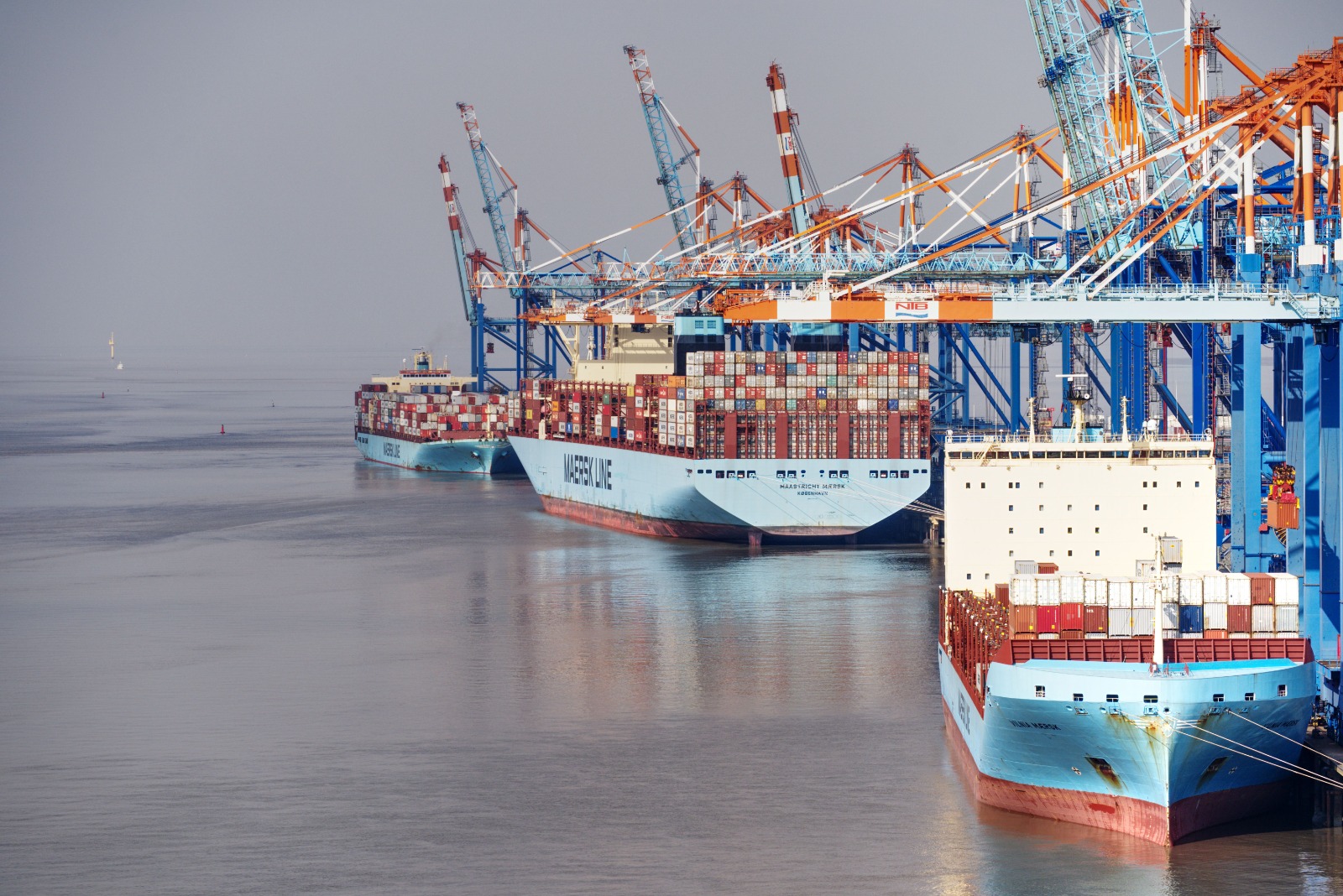
The decision also has implications for shipping and energy. The UAE sits close to the Strait of Hormuz, through which a substantial share of global oil flows. Continued security concerns could raise insurance, freight and financing costs even where physical supplies remain available.
For Gulf companies, the immediate priority is likely to be operational resilience. Firms with exposure to Iranian counterparties may need to reassess payment arrangements, inventory routes and contractual obligations. Banks, meanwhile, face additional sanctions and compliance risks.
The longer-term question is whether the suspension remains a temporary security response or develops into a broader restructuring of UAE-Iran commercial relations.
What to watch: the duration of the financial restrictions, any Iranian response, Gulf shipping activity, regional equity markets and changes in cross-border payment flows.