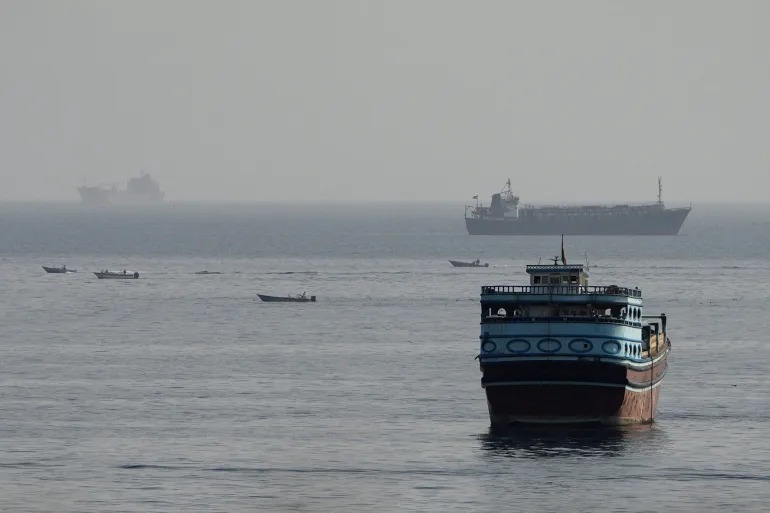
The statement places one of the world's most important energy shipping routes directly at the centre of negotiations. The Strait connects the Persian Gulf with the Gulf of Oman and is a critical passage for international energy shipments.
For global markets, the concern is less about the immediate availability of crude than the possibility that restrictions could persist long enough to alter shipping patterns, insurance costs, energy prices and corporate supply-chain decisions.
Oil prices have already responded to the deterioration in diplomatic expectations. Brent crude moved towards $91 a barrel on Tuesday, rising for a third consecutive session, while US crude reached its highest level since July 31. Reuters attributed the move to renewed concerns about prolonged supply disruption.
Shipping companies are also adapting. Reuters reported that Chinese state-owned shipping groups had begun deploying tankers outside the Gulf and avoiding regional chokepoints because of the conflict.
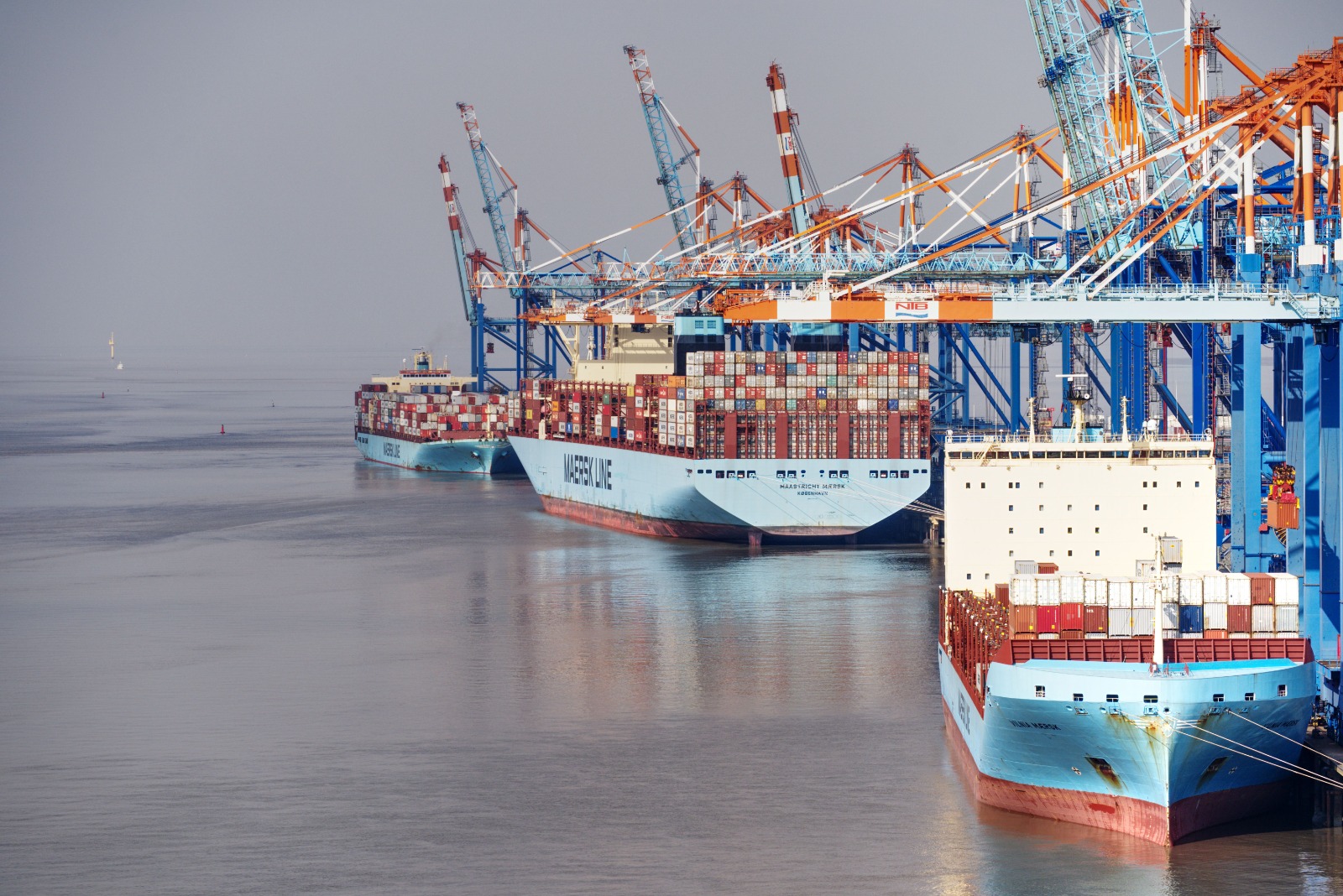
The economic consequences could widen if alternative routes prove more expensive or less efficient. Higher freight and insurance costs would affect energy importers as well as manufacturers and distributors dependent on maritime trade.
The Strait's importance also means that developments there can transmit geopolitical risk rapidly into financial markets. Rising oil prices can increase inflation expectations, while higher government bond yields can raise financing costs for businesses.
The situation creates competing pressures for governments. Energy-importing countries may seek alternative supplies and strategic reserves, while major producers and trading firms assess how long existing logistical arrangements can remain viable.
For investors, the immediate question is whether the closure becomes a negotiating tool with a short lifespan or a sustained restriction that changes the economics of global energy transportation.
What to watch: diplomatic contacts between Washington and Tehran, vessel traffic through Hormuz, insurance and freight rates, crude-price movements and responses from major oil-importing economies.