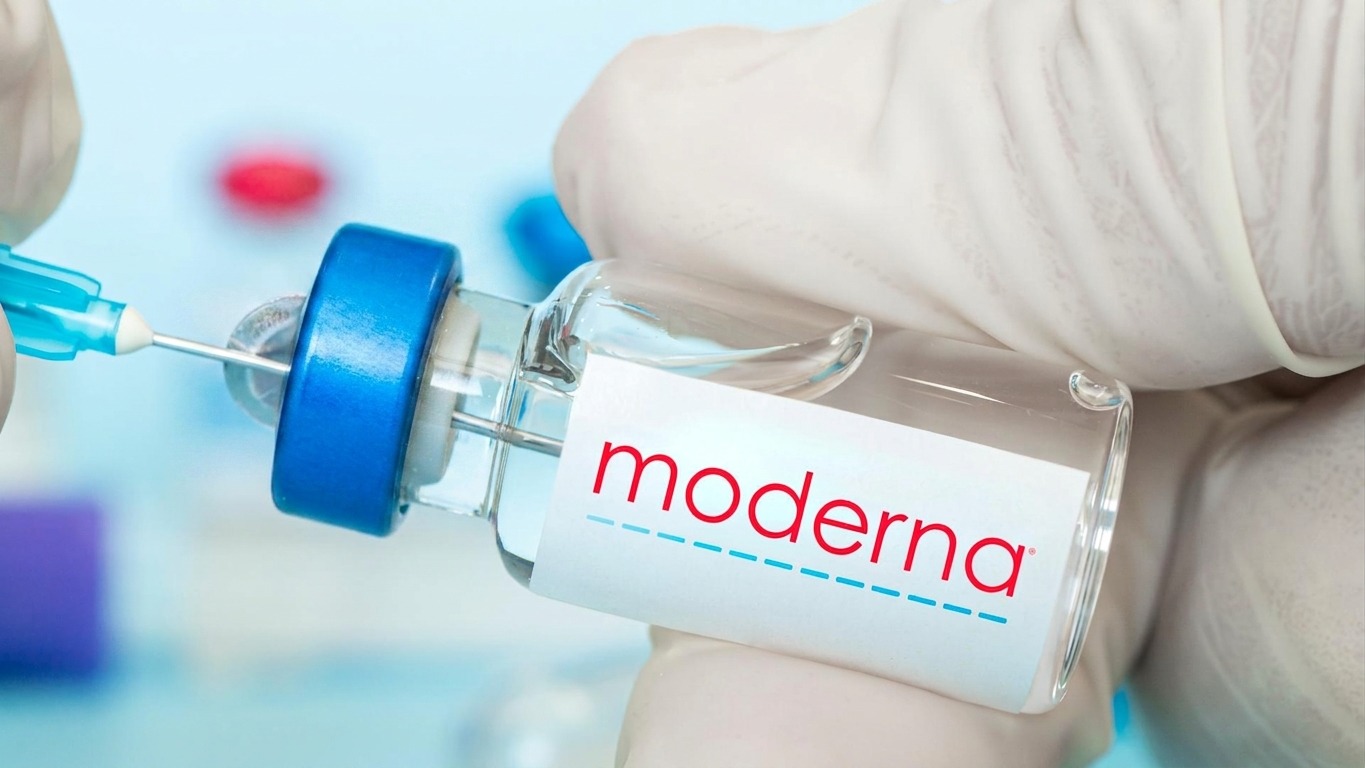
The companies reported that their personalised vaccine, used alongside Merck's Keytruda immunotherapy, reduced the risk of melanoma recurrence and spread in a large clinical trial involving patients whose tumours had been surgically removed.
The approach differs from conventional cancer vaccines by tailoring the treatment to mutations identified in an individual patient's tumour. The vaccine is designed to train the immune system to recognise and attack cancer cells carrying those specific mutations.
The results have generated a strong market response. Moderna's shares more than doubled following the announcement, adding roughly $30 billion to its market value at the time, according to Reuters.
The commercial implications extend beyond melanoma. Moderna and Merck are expanding trials into other cancers, including non-small-cell lung, bladder, kidney, pancreatic and stomach cancers. Other pharmaceutical companies, including Roche and BioNTech, are also pursuing mRNA-based cancer treatments.
For the pharmaceutical industry, the development could accelerate investment in personalised oncology, where treatments are designed around the molecular characteristics of individual tumours rather than relying solely on broadly applicable therapies.
However, the commercial outlook remains dependent on further clinical evidence, regulatory approval and the cost and complexity of manufacturing personalised treatments at scale. The current results are significant but do not by themselves establish that the approach will become a widely accessible treatment platform.
The technology also raises questions about healthcare economics. Personalised therapies may require sophisticated diagnostic testing, specialised manufacturing and more complex treatment pathways, potentially increasing costs while improving treatment outcomes.
For investors, the central question is whether the melanoma results can be replicated across other cancers and translated into commercially scalable products.
What to watch: further clinical data, regulatory submissions, expansion of trials into other tumour types, manufacturing costs and the response of competing pharmaceutical developers