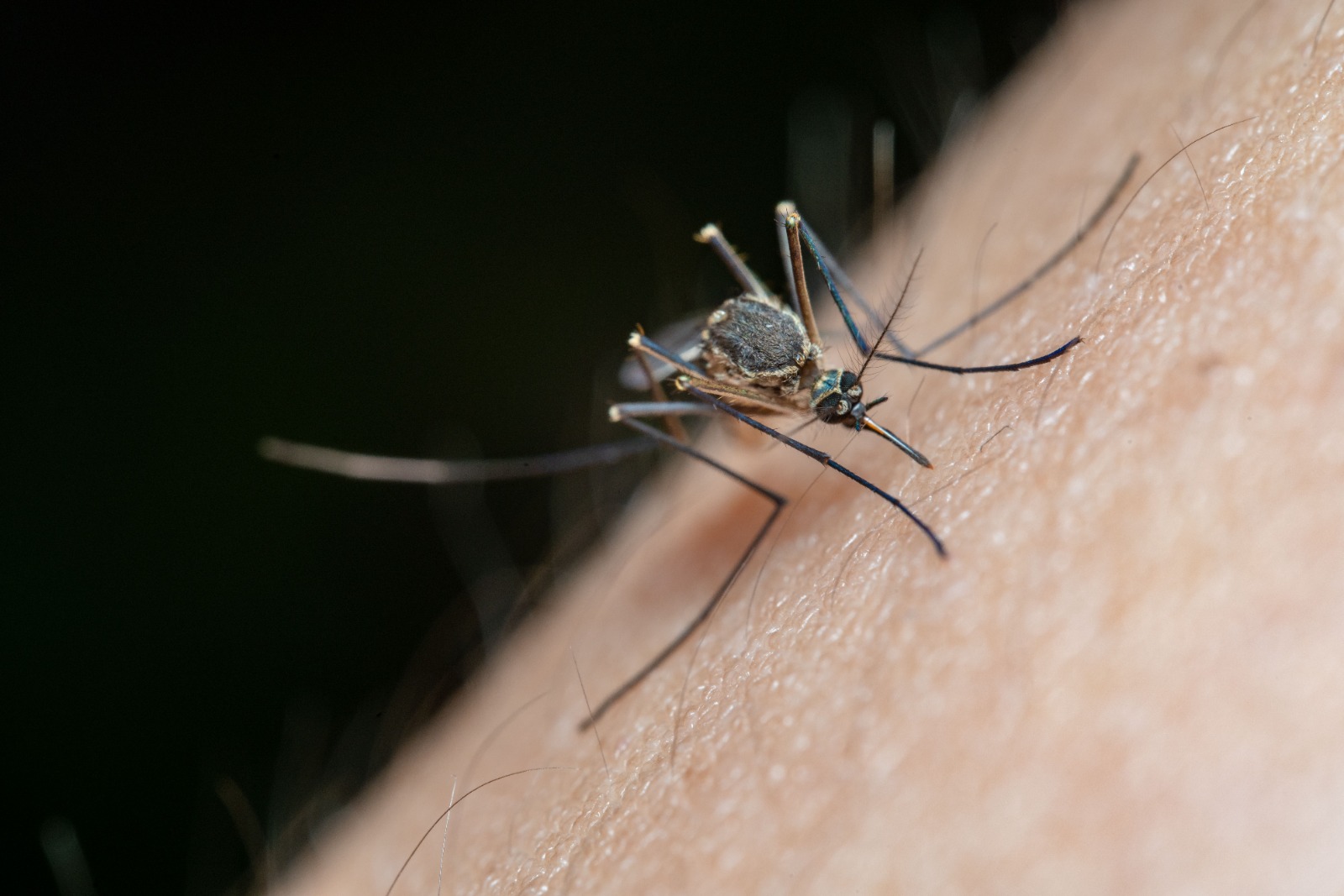
The Dutch public health institute RIVM confirmed the infection on Monday. West Nile virus is primarily transmitted to humans through mosquito bites and can, in a small proportion of infections, cause severe or life-threatening illness.
The case does not by itself indicate a wider outbreak, but it highlights the importance of surveillance systems capable of detecting mosquito-borne diseases as environmental and climatic conditions change.
For health authorities, early detection can support targeted monitoring and public-health communication. The economic implications can also extend beyond healthcare systems if outbreaks lead to increased medical costs, disruption to workplaces or restrictions affecting travel and outdoor activities.
West Nile virus has become an established public-health concern in parts of Europe, with transmission influenced by mosquito populations, temperature and environmental conditions. Detecting an infection after several years without a reported Dutch case therefore provides an additional data point for European disease surveillance.
Businesses operating in agriculture, tourism, outdoor recreation and logistics may also need to monitor local health guidance where mosquito-borne disease risks increase.
The Netherlands’ response is likely to focus on surveillance rather than immediate restrictions. Public-health agencies will assess whether additional infections emerge and whether the detected case is associated with local transmission or exposure elsewhere.
The distinction is important. A single confirmed infection provides evidence that transmission can occur but does not establish the scale or persistence of local circulation.
For policymakers, the broader lesson is that infectious-disease preparedness increasingly depends on integrating healthcare surveillance with environmental monitoring.
What to watch: additional Dutch cases, mosquito surveillance results, evidence of local transmission and any public-health guidance issued by Dutch or European authorities.