
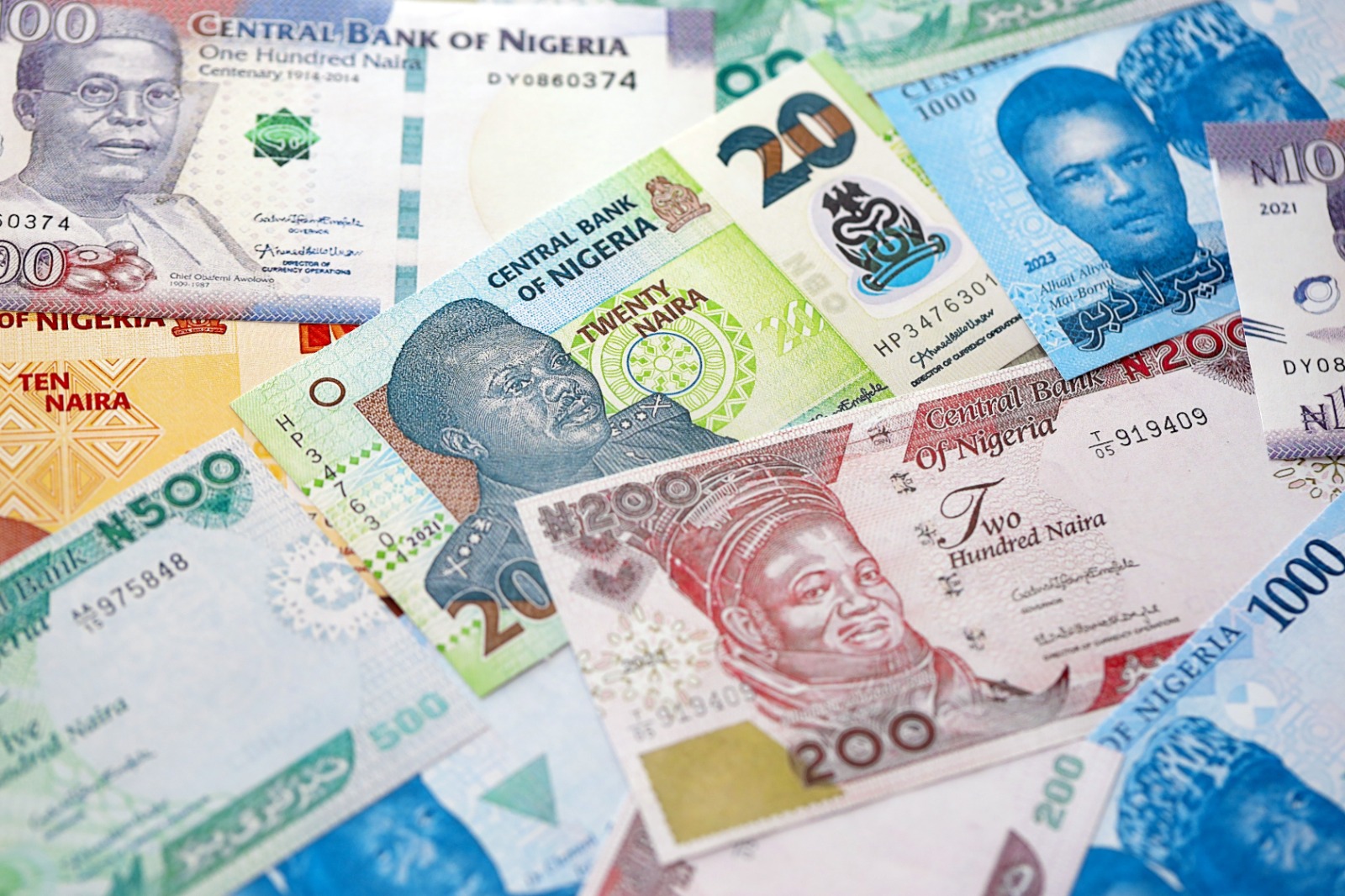
The Nigerian naira, Ghanaian cedi and Zambian kwacha are among the currencies expected to remain under pressure in the coming week, while Kenya's shilling is forecast to maintain relative stability against the United States dollar.
The latest market assessment highlights persistent foreign exchange imbalances affecting several African economies, with traders identifying corporate payments, seasonal imports and limited access to hard currency as important factors influencing exchange-rate movements.
Nigeria's naira weakened to approximately 1,352 per dollar on the official market, compared with 1,342 a week earlier. On the parallel market, the currency traded at around 1,440 per dollar as foreign investors took profits and importers increased their demand for dollars.
Ghana's cedi also weakened, trading at approximately 11.79 per dollar compared with 11.69 a week earlier. Limited foreign exchange inflows from the mining sector, alongside strong corporate demand, have contributed to the currency's recent difficulties.
In Zambia, the kwacha declined to approximately 20.89 per dollar from 20.74, reflecting continued demand for hard currency that exceeds available supply.
Kenya presented a more stable picture. The shilling traded within a relatively narrow range of 129.90 to 130.20 per dollar, demonstrating greater short-term stability than several regional counterparts.
The differing performances highlight the importance of foreign exchange availability, export earnings and investor confidence in determining currency stability across African economies.
For countries dependent on imported fuel, industrial equipment, pharmaceutical products and manufactured goods, sustained currency weakness can increase domestic costs and place additional pressure on inflation.
Depreciation can also complicate monetary policy decisions, particularly where central banks are attempting to balance exchange-rate stability against economic growth and domestic credit conditions.
The situation is especially important for businesses with substantial foreign currency obligations, as higher dollar acquisition costs can affect operating margins, investment decisions and pricing strategies.
However, the outlook is not uniform across the continent. Kenya's relative stability demonstrates how different foreign exchange conditions can produce contrasting currency outcomes even within the same regional environment.
The coming weeks will be important in determining whether improved dollar supply, stronger export receipts and changes in investor positioning can ease pressure on affected currencies.
For African policymakers, maintaining confidence in foreign exchange markets remains essential to supporting trade, investment and broader economic stability.