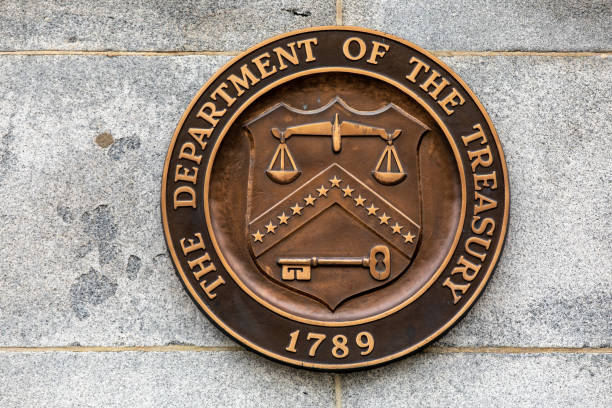
The Treasury's decision to increase purchases of longer-dated government bonds initially helped arrest a global rise in borrowing costs. The intervention reduced long-term yields and temporarily improved sentiment across financial markets.
By Thursday, however, that relief had weakened. The US 30-year Treasury yield rose to 5.2214%, while the 10-year yield climbed to 4.6763%, reversing part of the decline that followed the buyback announcement.
The response illustrates the limits of targeted intervention in a market increasingly focused on structural concerns. Treasury buybacks can alter the composition and liquidity of government debt, but they do not eliminate the underlying financing requirement created by a large fiscal deficit and a government debt burden exceeding $40 trillion.
The Federal Reserve presents another complication. Minutes from its July meeting showed that several policymakers remained concerned about inflation and were open to higher interest rates if price pressures failed to moderate towards the central bank's 2% target.
That combination creates a difficult environment for investors. The Treasury wants to manage borrowing conditions while the Federal Reserve remains focused on inflation. Higher oil prices linked to the Iran conflict add another potential source of price pressure.
The consequences extend into global markets. US Treasury yields influence corporate borrowing costs, mortgage rates, equity valuations and the pricing of financial assets worldwide. A prolonged increase in long-term yields could therefore tighten financial conditions even if short-term policy rates remain unchanged.
The dollar has also weakened, reaching a three-month low as investors assessed the Treasury's intervention and the broader outlook for US fiscal and monetary policy.
For investors, the issue is increasingly whether the bond-market pressure represents a temporary adjustment or a more persistent reassessment of US fiscal risk.
What to watch: upcoming Treasury auctions, long-term yields, inflation data, Federal Reserve communications and the scale of future Treasury buybacks.