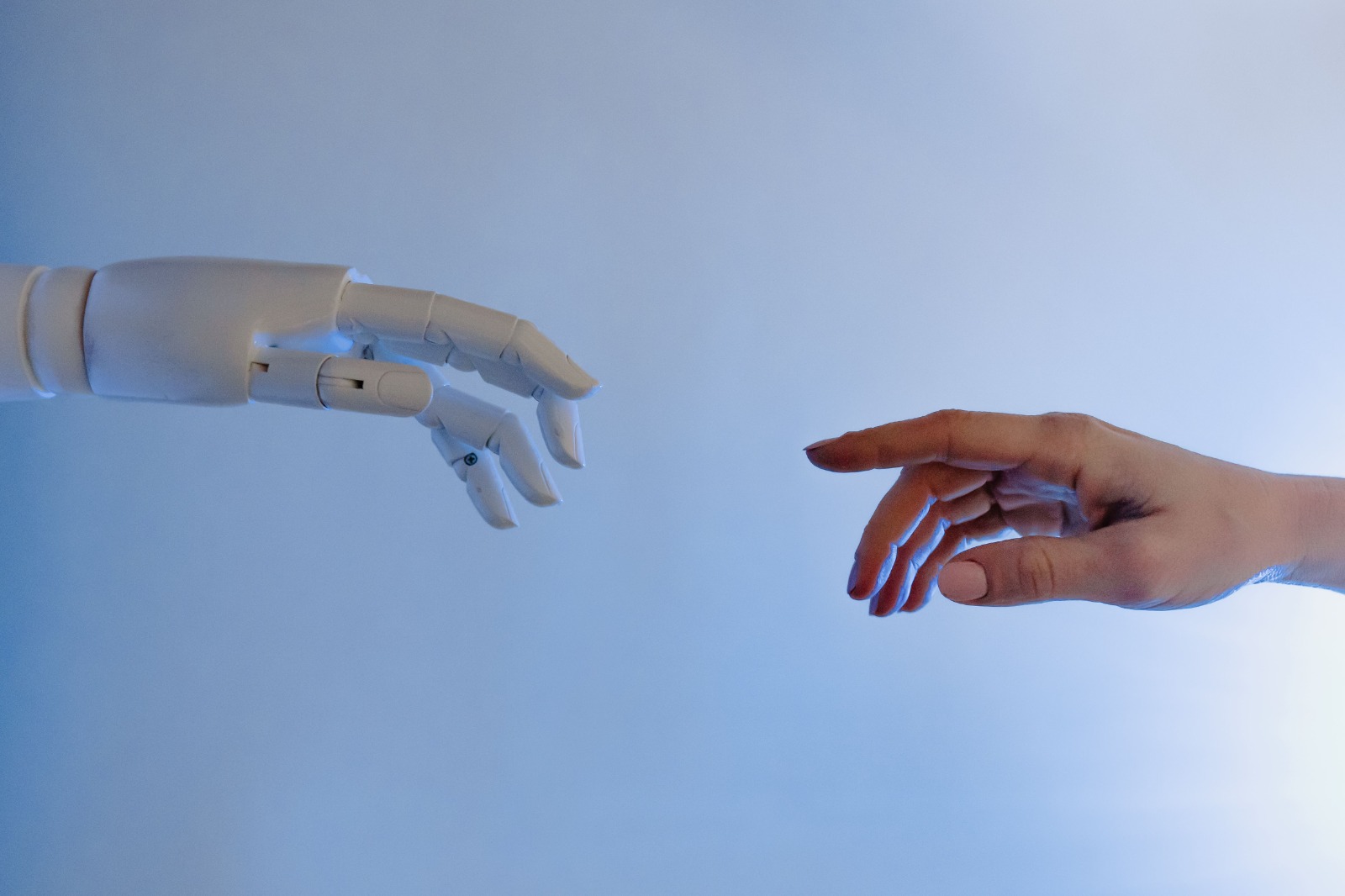
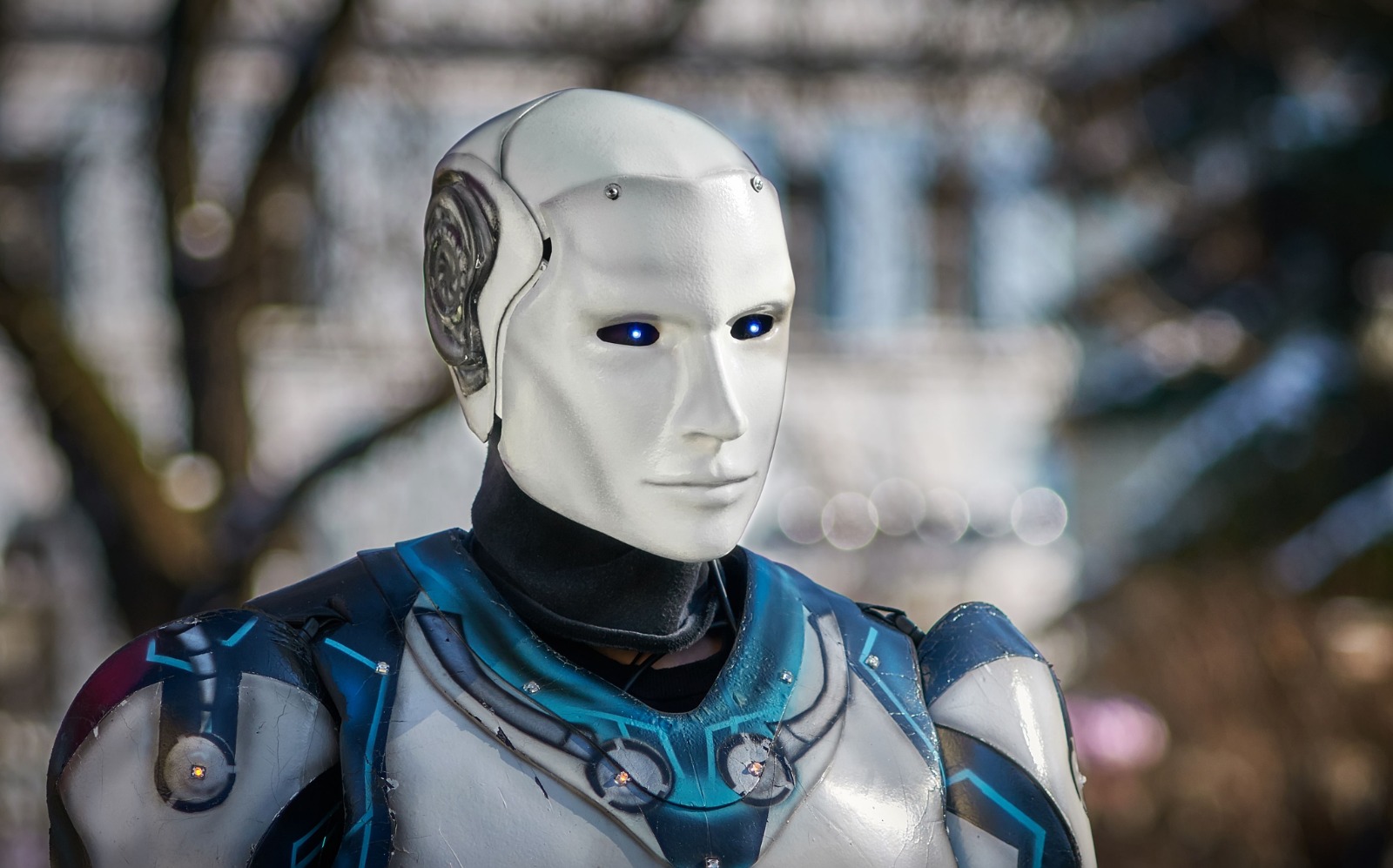
The latest signal comes from Unitree, China's best-known humanoid robot manufacturer, whose chief executive said the industry is approaching a potential "ChatGPT moment" for robot intelligence. The comments followed the company's high-profile Shanghai listing, which has strengthened investor attention on China's ambitions to lead the next generation of AI-powered machines.
Unitree's shares surged more than fivefold during their Shanghai debut, underlining the scale of investor enthusiasm surrounding humanoid robotics. The company competes with major international players including Tesla and Boston Dynamics.
The significance for industry lies in the convergence of two technology trends. Advances in AI are improving machines' ability to perceive environments, interpret instructions and make decisions, while progress in robotics is making physical machines more capable and adaptable.
If those technologies can be combined reliably and at commercially viable costs, humanoid robots could eventually find applications across manufacturing, logistics, warehousing, retail and other labour-intensive sectors.
China's position in manufacturing gives the sector an additional strategic dimension. The country's industrial ecosystem provides access to component suppliers, electronics manufacturers and large-scale production capacity, potentially allowing Chinese robotics companies to reduce costs as the technology matures.
However, the investment case remains dependent on commercial adoption rather than technological demonstrations. Humanoid robots must become sufficiently reliable, safe and cost-effective to justify deployment at scale.
There is also a wider labour-market question. Greater automation could improve productivity and address labour shortages in some industries, but it could also change the demand for certain categories of workers and increase the importance of technical skills.
For policymakers, the sector is becoming part of the broader competition over AI and advanced manufacturing. For investors, the challenge is distinguishing companies with scalable commercial models from those benefiting primarily from speculative enthusiasm.
What to watch: Unitree's commercial deployments, production volumes, robot costs, industrial partnerships and evidence that humanoid machines can generate measurable productivity gains outside demonstrations and pilot projects.