The warning comes as the conflict continues to weigh on energy markets, shipping and regional trade. Oil prices rose to more than three-week highs on Thursday, with Brent crude reaching $93.81 a barrel and US West Texas Intermediate futures rising to $88.16.
The economic consequences of the confrontation extend beyond Iran's borders. Governments and companies operating across the Middle East face increasing uncertainty over trade routes, financial transactions and energy supplies.
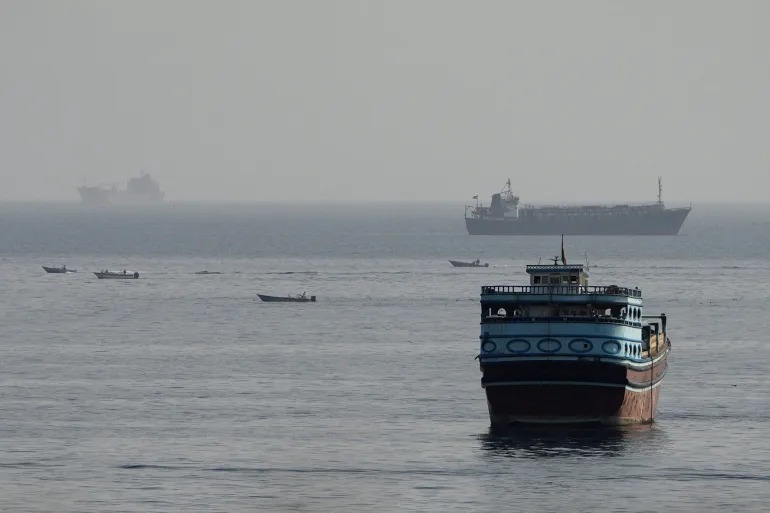
The Strait of Hormuz remains central to the risk calculation. Although the waterway is reportedly still open, shipping activity is significantly below pre-conflict levels. The strait has historically carried a substantial share of global oil consumption, making any sustained disruption potentially significant for energy-importing economies.
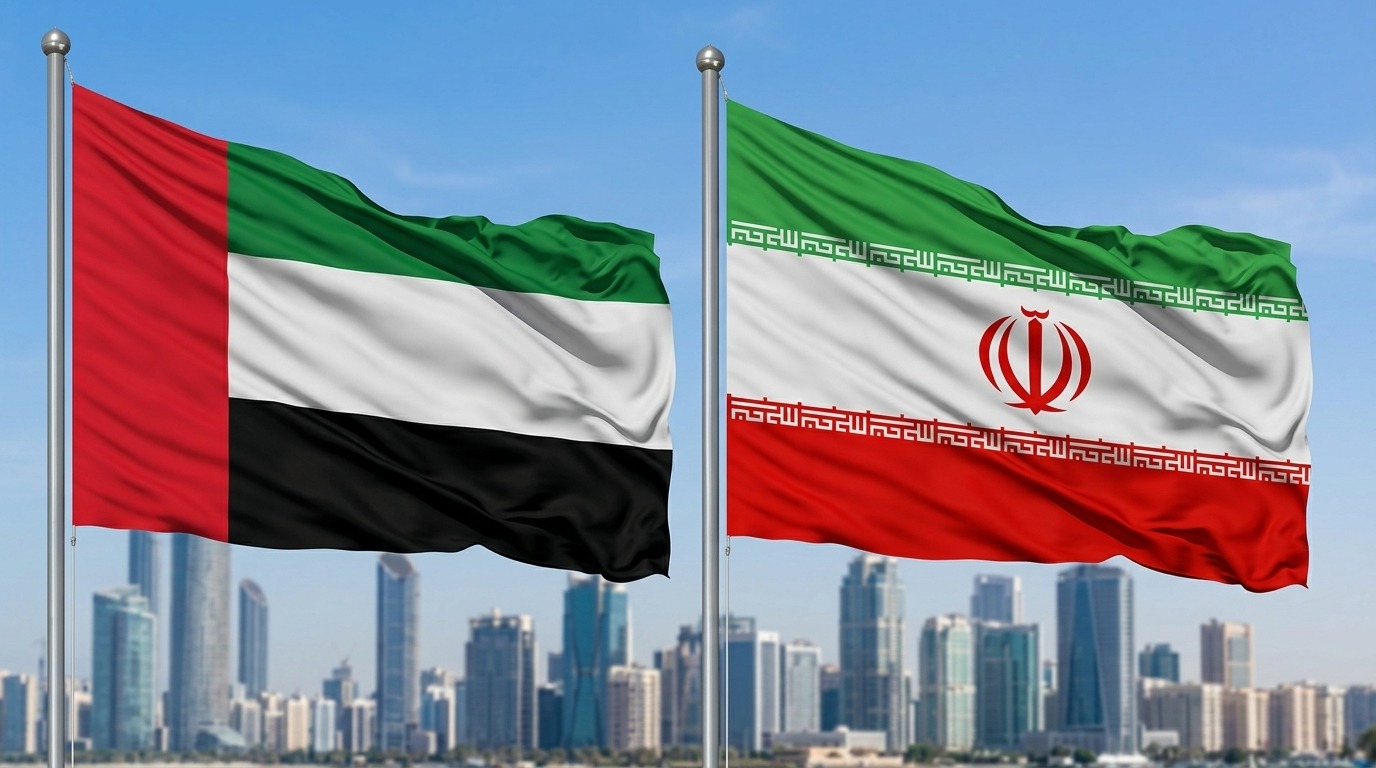
The United Arab Emirates has also suspended economic and financial relations with Iran, adding another layer to the regional economic pressure.
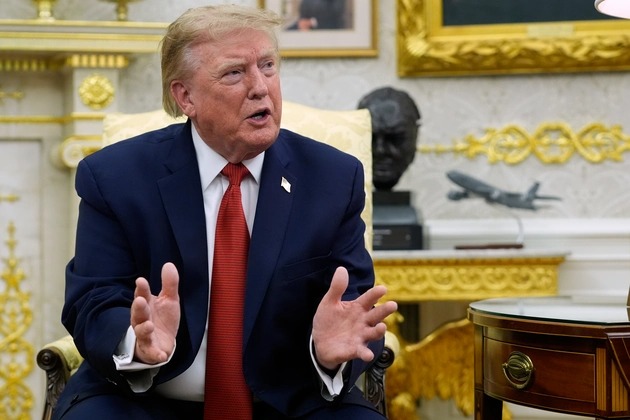
For businesses, Trump's warning introduces an additional dimension to sanctions and geopolitical risk. Companies with direct or indirect exposure to Iranian trade may need to reassess counterparties, payment channels, shipping arrangements and supply chains if Washington expands enforcement.
The implications are particularly significant for energy-intensive industries. Higher crude prices can raise transportation and production costs, while prolonged disruption could feed into inflation and complicate monetary-policy decisions.
The situation also creates a difficult balance for governments. Supporting commercial relations with Iran may protect domestic energy or trade interests, but could increase exposure to US economic measures. Conversely, reducing ties could impose higher costs on businesses and consumers.
For investors, the central issue is whether the confrontation remains contained or develops into a broader disruption of regional trade and energy flows.
What to watch: further US measures against Iran's commercial partners, developments around the Strait of Hormuz, regional diplomatic efforts and the response of oil-importing economies to sustained higher prices.