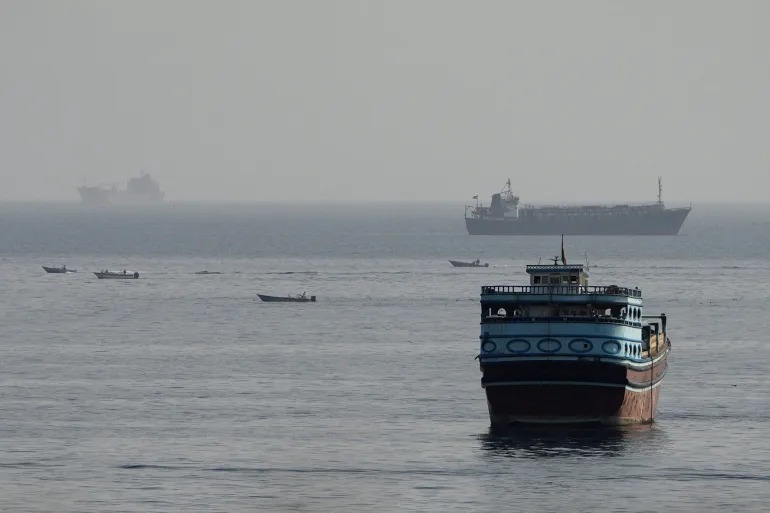
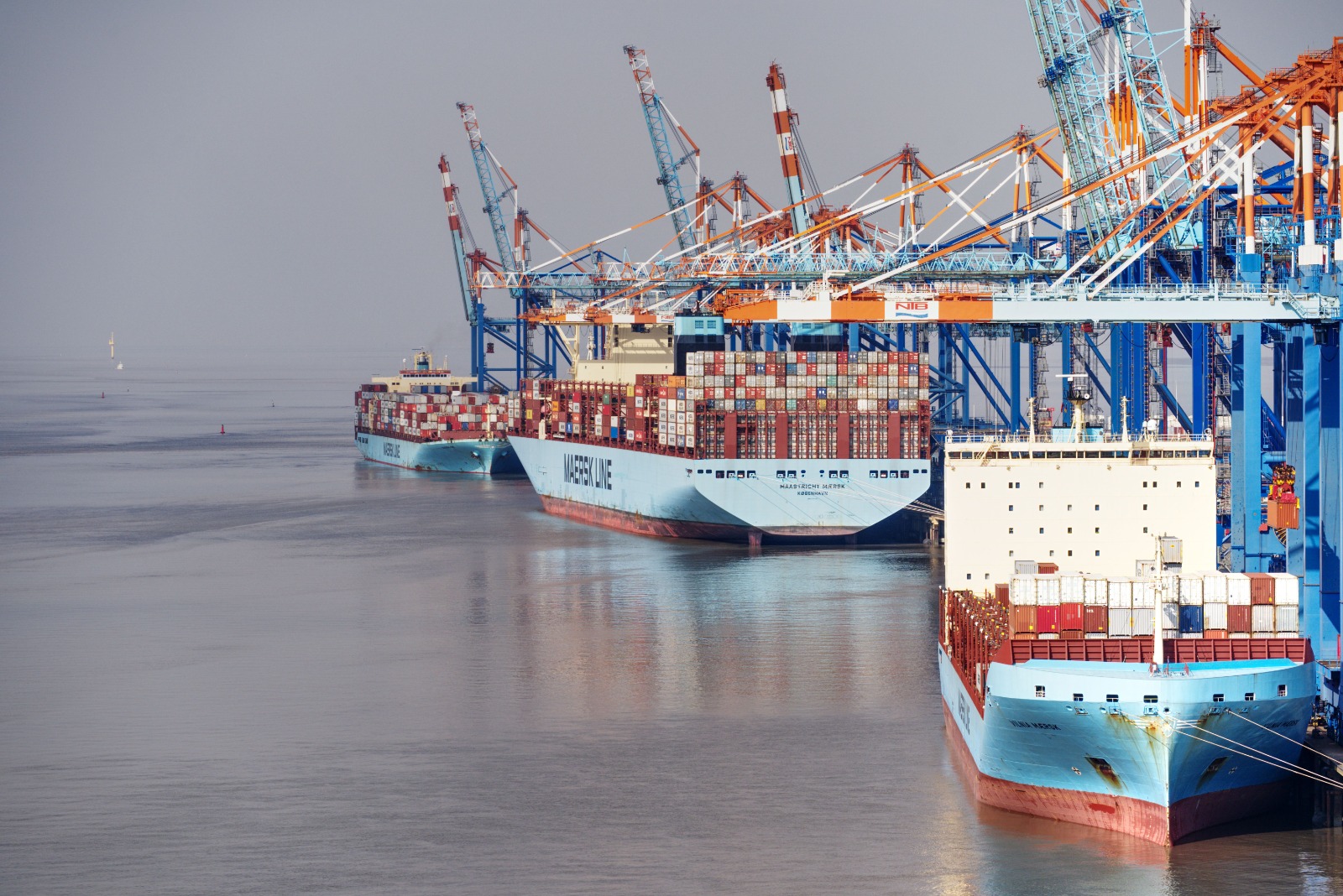
Reuters reported that maritime traffic through the strategic waterway had fallen to only a handful of vessels over the weekend, compared with significantly higher traffic in the previous week. Gulf equity markets also weakened in early trading as investors assessed the implications of stalled diplomacy and reduced shipping activity.
The Strait of Hormuz is a critical route for global energy trade, making any sustained reduction in shipping activity potentially significant for oil and gas markets. Oil prices rose on Monday as diplomatic efforts failed to produce a clear resolution to the conflict, although analysts saw limited scope for further near-term gains without a more severe physical supply disruption.
The economic consequences extend beyond energy producers. Higher crude prices can increase transport, manufacturing and logistics costs, while disruptions to shipping can raise insurance premiums and freight rates.
Energy-intensive industries are particularly exposed. Airlines, chemicals manufacturers, shipping companies and heavy industry may face higher operating costs if elevated energy prices persist.
For Gulf economies, the disruption also creates a broader financial risk. Regional equity markets have already responded to uncertainty around shipping and energy flows, while investors assess the resilience of companies exposed to trade, logistics and hydrocarbons.
Businesses may increasingly prioritise alternative routes, inventory buffers and hedging strategies as geopolitical risk becomes a more prominent factor in supply-chain planning.
However, the scale of the economic impact will depend heavily on duration. A short-lived disruption could produce temporary price volatility, while prolonged restrictions on shipping could feed into inflation and global growth expectations.
The diplomatic track therefore remains central to the market outlook.
What to watch: vessel traffic through Hormuz, oil prices, insurance and freight rates, diplomatic negotiations and evidence of physical shortages in global energy markets.