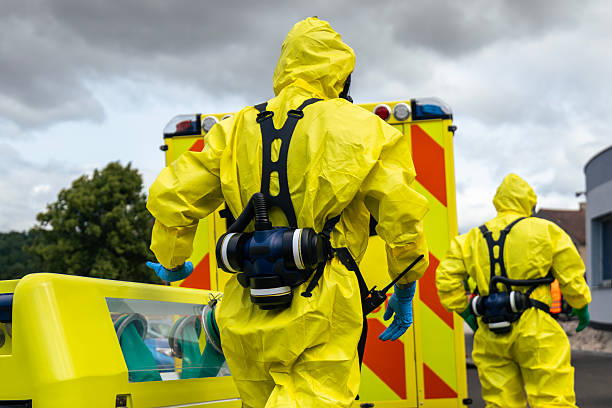
The outbreak has already caused more than 2,300 deaths, according to government data reported by Reuters, with cases continuing to rise despite containment efforts.
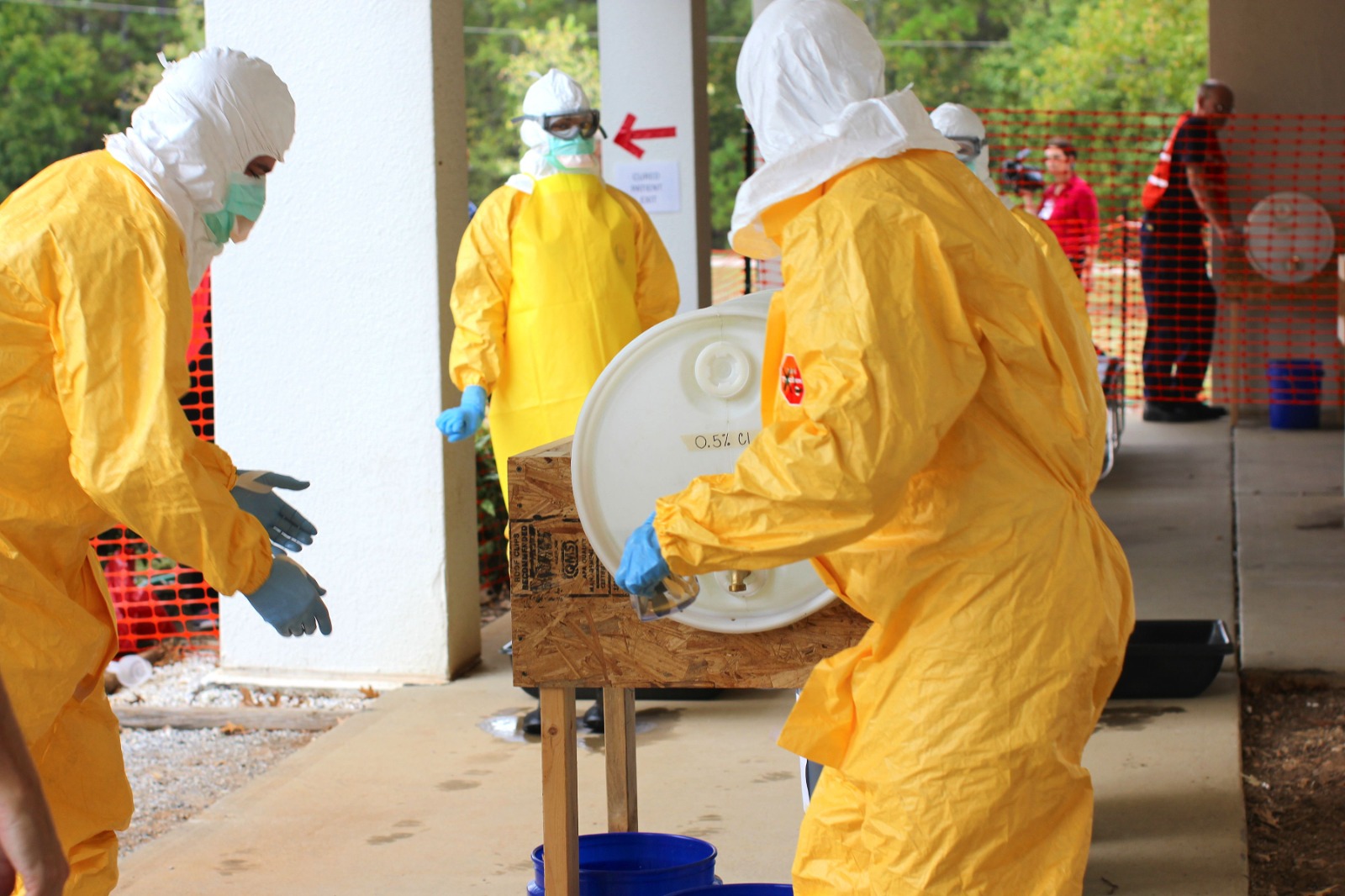
The scale of the outbreak presents a challenge not only for public-health authorities but also for the institutions responsible for financing and delivering emergency healthcare. Large outbreaks require sustained spending on surveillance, treatment centres, protective equipment, vaccination, logistics and frontline personnel.
The financial challenge is particularly acute in an environment where humanitarian organisations are already facing pressure on available funding. The World Health Organization has previously appealed for international support for the response, making financing a central factor in the speed and scale of intervention.
The outbreak also carries wider economic consequences. Prolonged health emergencies can disrupt local commerce, restrict movement, reduce workforce participation and increase pressure on already constrained public services. Businesses operating in affected regions may face additional logistics and staffing challenges as authorities introduce measures to control transmission.
Congo's experience also highlights the importance of health-system capacity in managing outbreaks. Surveillance networks, laboratory facilities and rapid-response teams determine how quickly new infections can be identified and isolated.
The current outbreak has already surpassed the death toll recorded during Congo's 2018-2020 Ebola outbreak, making institutional capacity and international coordination increasingly important.
For governments and investors, the crisis reinforces a broader point: health infrastructure is an economic asset as well as a social necessity. Weak disease-surveillance systems can create substantial fiscal and operational costs when outbreaks spread beyond localised areas.
The immediate priority remains containment, but the longer-term challenge will be rebuilding health capacity and ensuring financing mechanisms can respond rapidly to future outbreaks.
What to watch: new case numbers, mortality, geographic spread, international funding commitments, vaccination and treatment capacity, and WHO assessments of containment prospects.