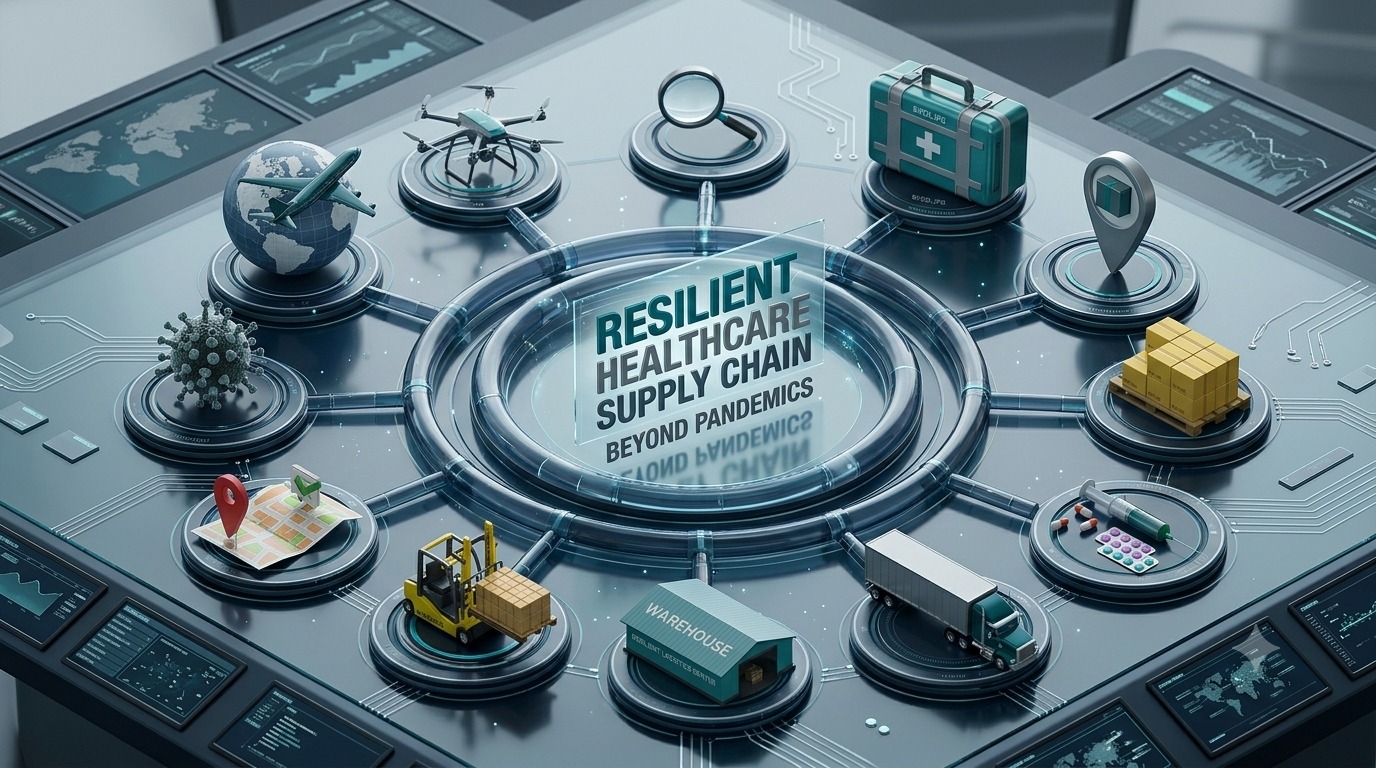
Hospital networks, medical distributors and pharmaceutical manufacturers are increasing investment in supply-chain resilience following sustained pressure on transportation, storage and procurement expenses. Industry executives say maintaining uninterrupted access to essential medicines and medical equipment has become a strategic priority amid ongoing geopolitical and economic uncertainty.
Healthcare systems remain particularly exposed to energy costs because of their dependence on temperature-controlled logistics, continuous facility operations and highly specialised international distribution networks. Rising freight expenses have also increased the cost of delivering pharmaceuticals and medical technologies to both developed and emerging markets.
Governments are responding by evaluating policies aimed at strengthening domestic manufacturing capacity, expanding strategic medical stockpiles and encouraging greater supply-chain diversification. Several health authorities are also increasing investment in digital procurement systems and predictive logistics to improve operational efficiency.
Economists note that sustained cost pressures could influence healthcare budgets, public expenditure and long-term investment in medical infrastructure. Lower-income economies remain especially vulnerable, where rising import costs can affect access to medicines and essential healthcare services.
The private sector is similarly adapting. Pharmaceutical companies are reviewing supplier networks, while logistics providers are expanding cold-chain capabilities and regional distribution hubs to improve resilience against future disruptions.
Investors continue monitoring healthcare companies for evidence of cost discipline, operational efficiency and resilient supply-chain management. Analysts say organisations capable of balancing financial sustainability with reliable service delivery are likely to maintain stronger long-term performance.
As healthcare systems adapt to a more uncertain global operating environment, resilience, operational flexibility and strategic procurement are increasingly becoming defining features of healthcare management rather than emergency responses to temporary disruptions.