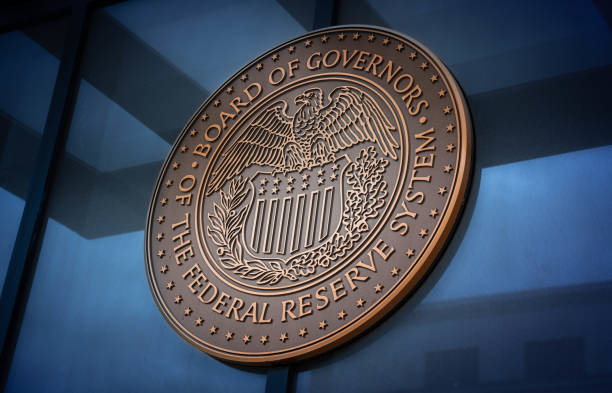
Policymakers had entered the second half of the year expecting moderating inflation to create room for gradual monetary easing. However, renewed volatility in energy markets has complicated that outlook, raising concerns that higher fuel and transportation costs could feed into broader consumer prices and business operating expenses.
Economists say energy-driven inflation presents a particular challenge because it originates from supply-side disruptions rather than domestic demand. While higher borrowing costs can slow spending, they have limited influence over geopolitical developments affecting global commodity markets and shipping routes.
Central banks in advanced and emerging economies are therefore balancing two competing objectives: maintaining price stability while avoiding unnecessary pressure on already fragile economic growth.
Businesses are also adjusting expectations. Companies across manufacturing, logistics and retail are reviewing pricing strategies as higher fuel and freight costs threaten profit margins. Many executives remain cautious about investment decisions until greater clarity emerges regarding inflation and interest-rate trajectories.
Financial markets have responded by reducing expectations for near-term policy easing, contributing to higher government bond yields and increased volatility across equity and currency markets. Investors continue scrutinising economic data for evidence of whether inflation pressures remain temporary or become more broadly embedded.
The renewed uncertainty comes as governments seek to sustain growth while managing elevated public debt and fiscal constraints. Higher borrowing costs could increase financing pressures for infrastructure projects and public investment programmes, particularly in emerging markets.
Analysts believe monetary authorities will remain heavily data-dependent in the months ahead, with inflation reports, labour-market conditions and energy prices likely to determine the pace of future policy decisions.
For executives and investors, the central question is no longer whether inflation has peaked, but whether geopolitical developments could extend the period of restrictive monetary policy and reshape the global economic outlook.