The recovery has helped crude supplies return to international markets after attacks and operational disruptions reduced shipments in previous weeks. Reuters reported that Saudi exports have recovered to more than four million barrels per day, easing immediate concerns over global supply shortages.
Oil prices have fallen below the $100-a-barrel level as markets respond to improving supply conditions and signs of potential diplomatic progress involving Iran and the United States. Lower energy prices have also supported financial markets by reducing concerns that higher fuel costs could intensify inflation pressures.
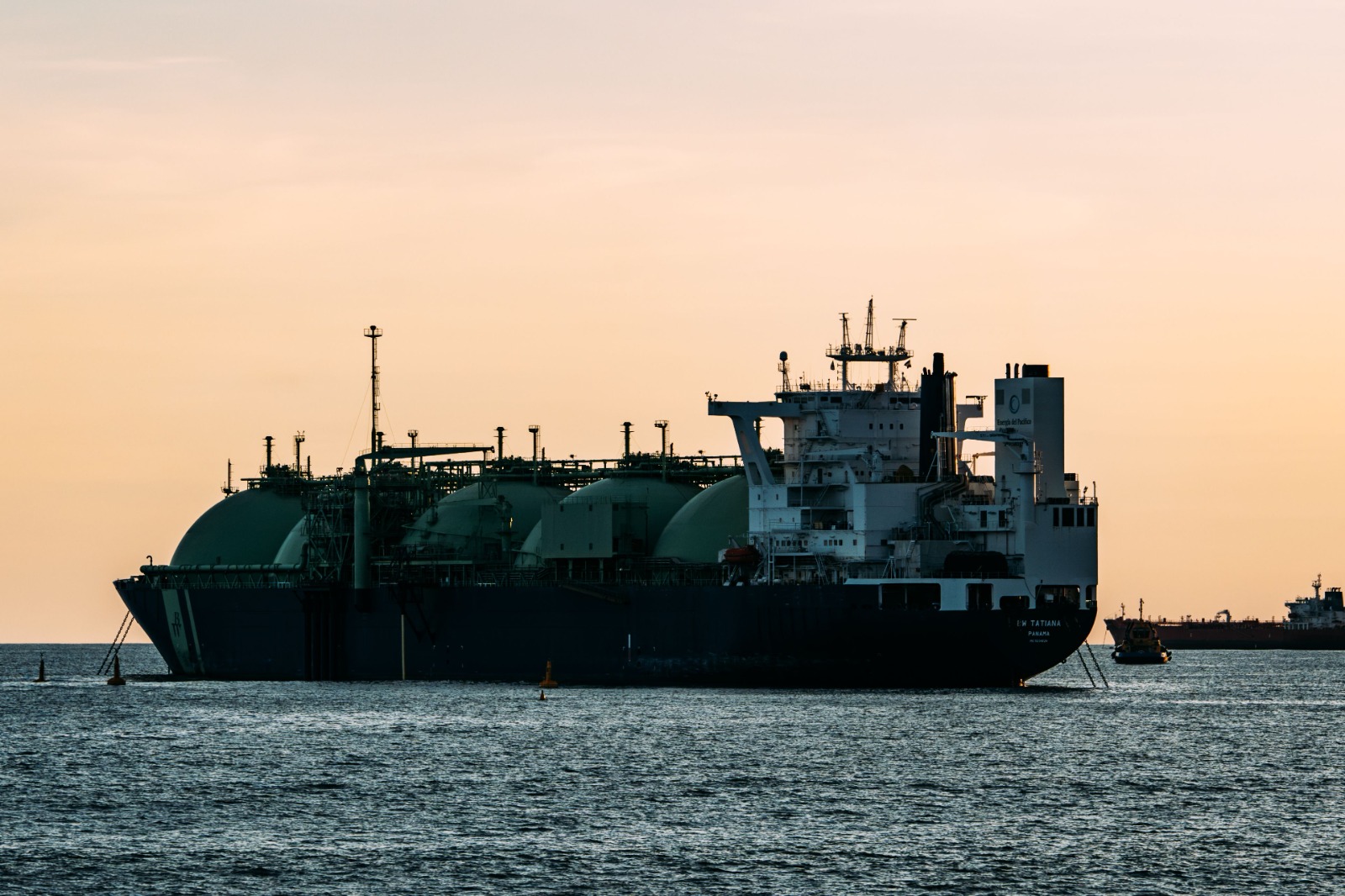
Nevertheless, energy markets remain vulnerable to geopolitical developments. The Strait of Hormuz and other regional shipping routes continue to play a critical role in global oil and liquefied natural gas trade, making infrastructure resilience increasingly important.
Governments and energy companies are therefore reassessing supply strategies, including strategic inventories, alternative transportation corridors and investment in storage facilities.
The implications extend beyond oil producers. Lower fuel prices can reduce costs for manufacturing, transport and logistics industries, while helping to ease pressure on consumers and central banks.
Energy security has become closely linked to economic competitiveness. Countries capable of maintaining reliable and affordable supplies are expected to enjoy stronger industrial performance and greater investment attractiveness.
The latest developments suggest that while immediate supply concerns have eased, governments and businesses are likely to continue prioritising infrastructure resilience, diversified routes and long-term investment strategies capable of supporting energy security in an increasingly uncertain geopolitical environment.