
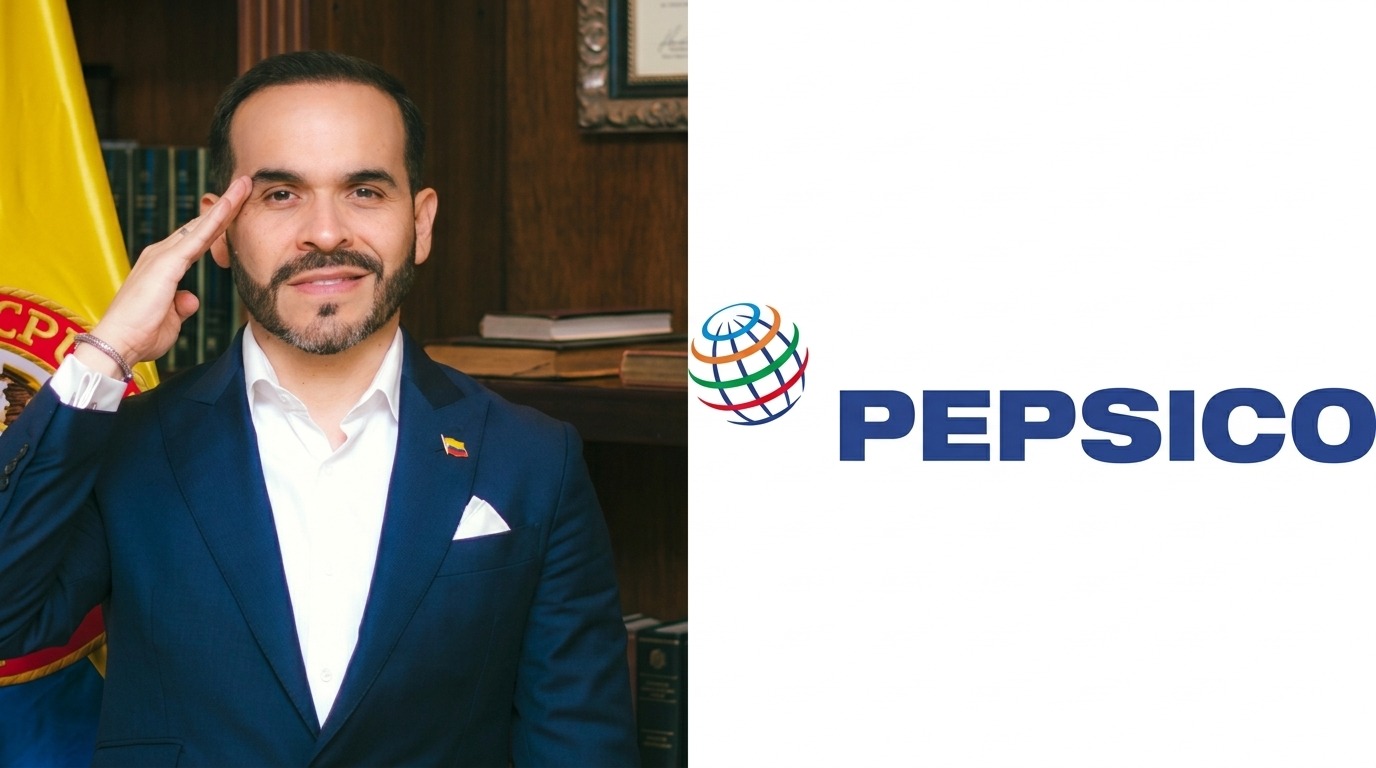
Colombian President Abelardo De La Espriella announced the investment on Sunday, saying the programme would support production and distribution while contributing to employment and agricultural activity. The investment is also expected to support more than 2,000 farmers and strengthen small retailers across the country.
The announcement follows a week-long visit to New York by Colombian Vice President José Manuel Restrepo and the country’s economic team, during which officials met more than 100 corporate and capital-markets investors.
For PepsiCo, the investment provides additional capacity in a market that forms part of the company’s broader Latin American operations. The programme is expected to cover production expansion, operational modernisation and distribution infrastructure, potentially strengthening the company’s ability to serve domestic demand.
The investment also illustrates the importance of supply-chain infrastructure to consumer companies operating across emerging markets. Production facilities, logistics networks and distribution channels are increasingly being treated as strategic assets as companies seek to improve efficiency and respond to changing consumer demand.
For Colombia, the commitment represents a significant corporate investment at a time when governments across the region are competing for international capital. Large multinational investments can generate demand across agriculture, logistics, manufacturing and retail, creating wider economic effects beyond the initial capital expenditure.
The agricultural connection is particularly relevant. PepsiCo’s expected support for more than 2,000 farmers could strengthen links between large-scale food manufacturing and local agricultural supply chains, while investment in distribution could improve access for smaller retailers.
The announcement comes as Latin American economies seek to attract more foreign investment into production and infrastructure. Companies are increasingly assessing the region not only as a consumer market but also as a manufacturing and supply-chain base.
For PepsiCo, the Colombian programme will require sustained execution across production, distribution and supplier networks. Its longer-term significance will depend on how effectively the investment translates into operational capacity and market growth.
The commitment nevertheless highlights a broader trend towards deeper corporate investment in Latin American markets as global consumer companies seek greater production flexibility, regional supply-chain resilience and access to expanding consumer economies.