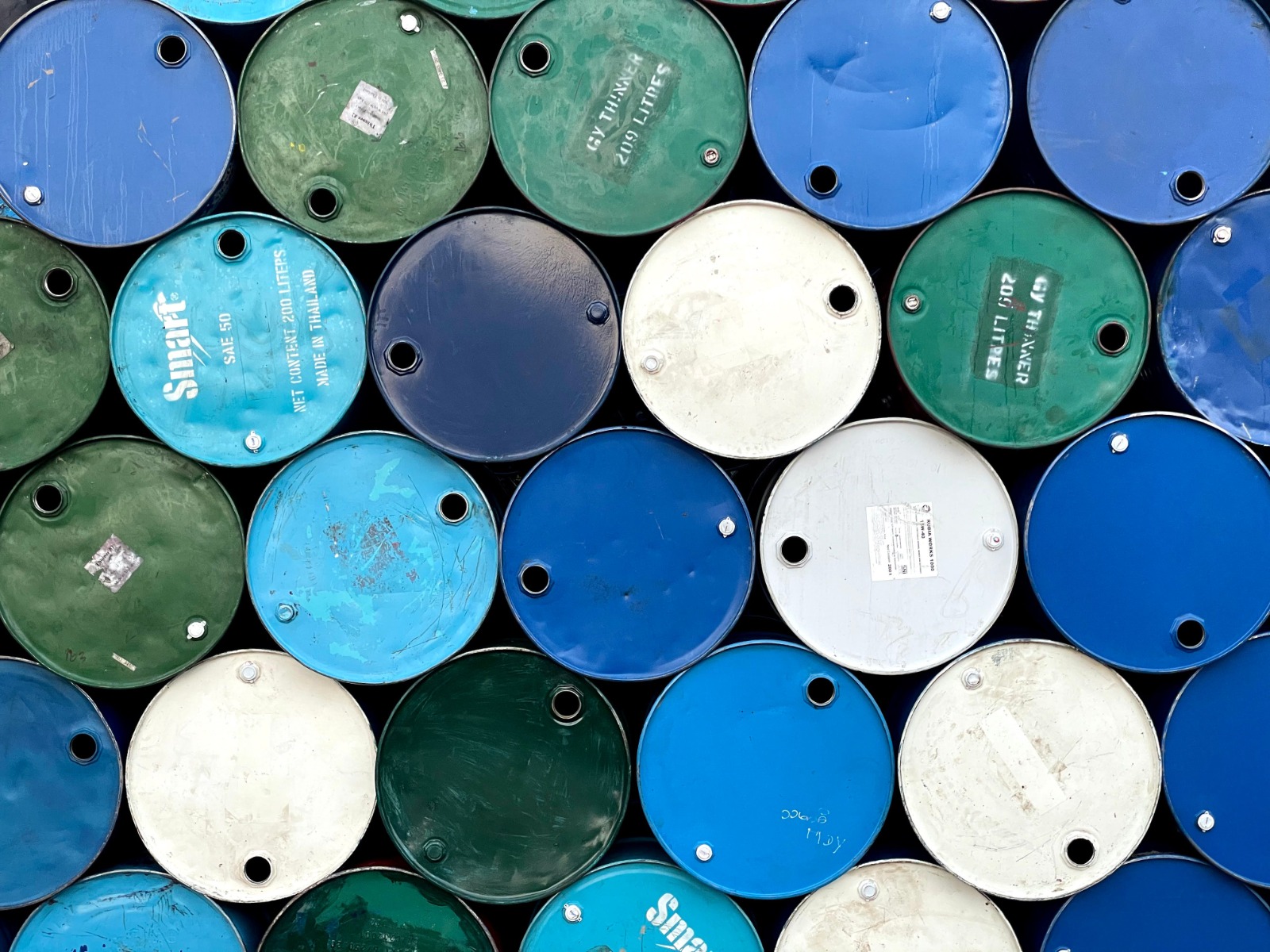
Brent crude futures fell on Monday as investors assessed an improvement in Saudi exports. Reuters reported that Saudi shipments had recovered to more than 4 million barrels per day after falling to around 2.4 million barrels per day in August, while potential improvements to the kingdom's east-west pipeline have provided additional support to supply expectations.
The recovery has helped reduce some of the immediate pressure on global oil markets. Lower crude prices can ease transportation, manufacturing and energy costs, providing temporary relief for economies already dealing with elevated inflation and tighter financial conditions.
However, the physical supply outlook remains vulnerable. Yemen's Iran-backed Houthis have continued attacks in and around Saudi Arabia, including strikes reported near Riyadh and the Red Sea oil-export hub of Yanbu. The continuing conflict between the United States and Iran has also left uncertainty around key regional shipping and energy infrastructure.
Market participants are therefore assessing both current production flows and the resilience of alternative export routes. Saudi Arabia's ability to restore shipments provides an important buffer, but sustained disruption to major infrastructure or maritime corridors could quickly alter the balance between available supply and global demand.
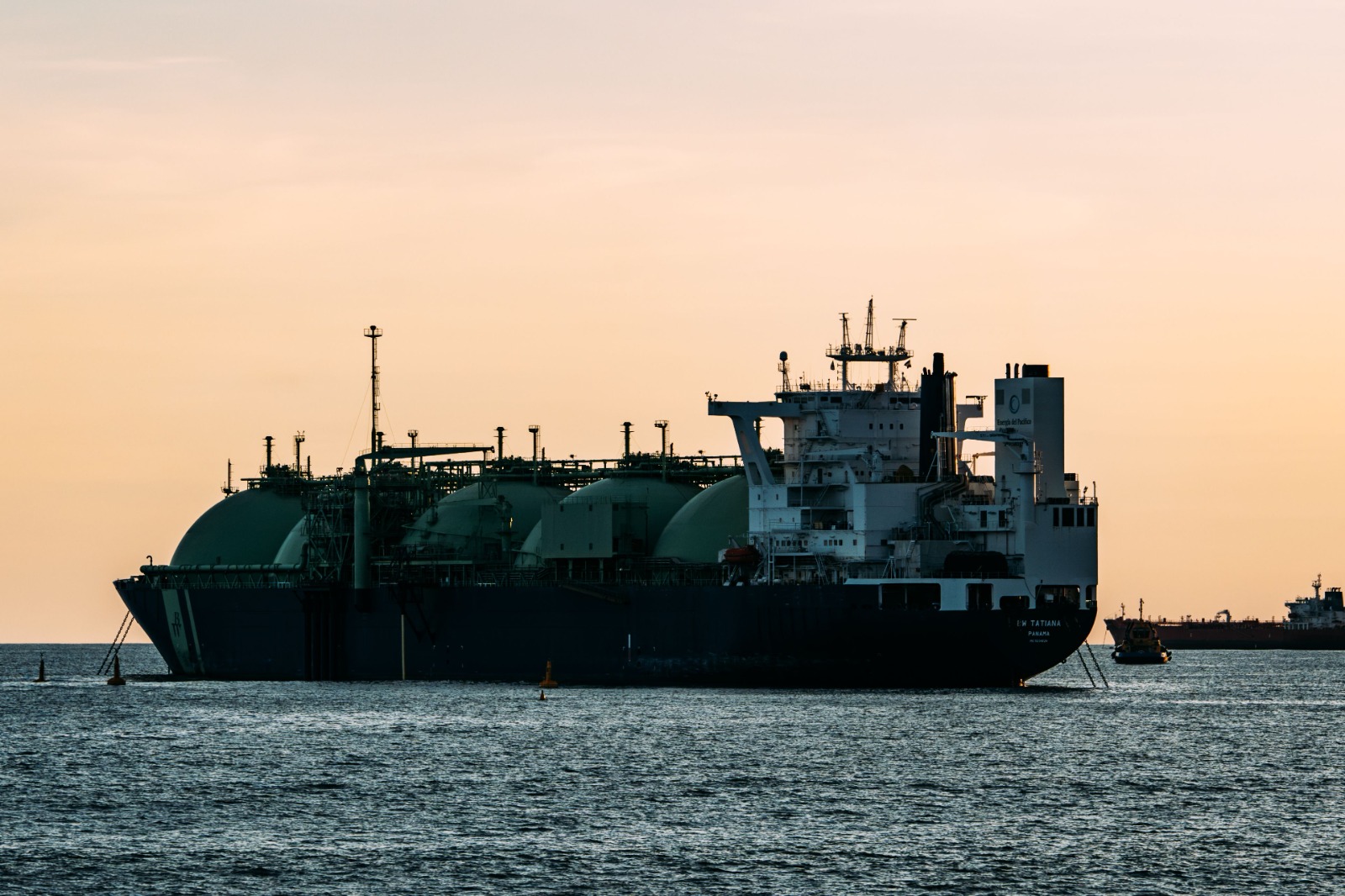
The wider energy market is also being influenced by developments in LNG, shipping and regional infrastructure. Asian buyers are already seeking alternative gas supplies as Gulf disruptions force energy importers to reconsider the concentration of their procurement networks.
For governments and energy companies, the latest volatility reinforces the importance of infrastructure resilience, strategic inventories and diversified transportation routes. For businesses, energy-price movements remain a significant factor in operating costs and inflation expectations.
The immediate easing in oil prices therefore provides some relief to global markets, but the broader supply environment remains uncertain. Investors are expected to continue monitoring Saudi production, regional attacks and the security of major energy routes for signs of whether current improvements can be sustained.