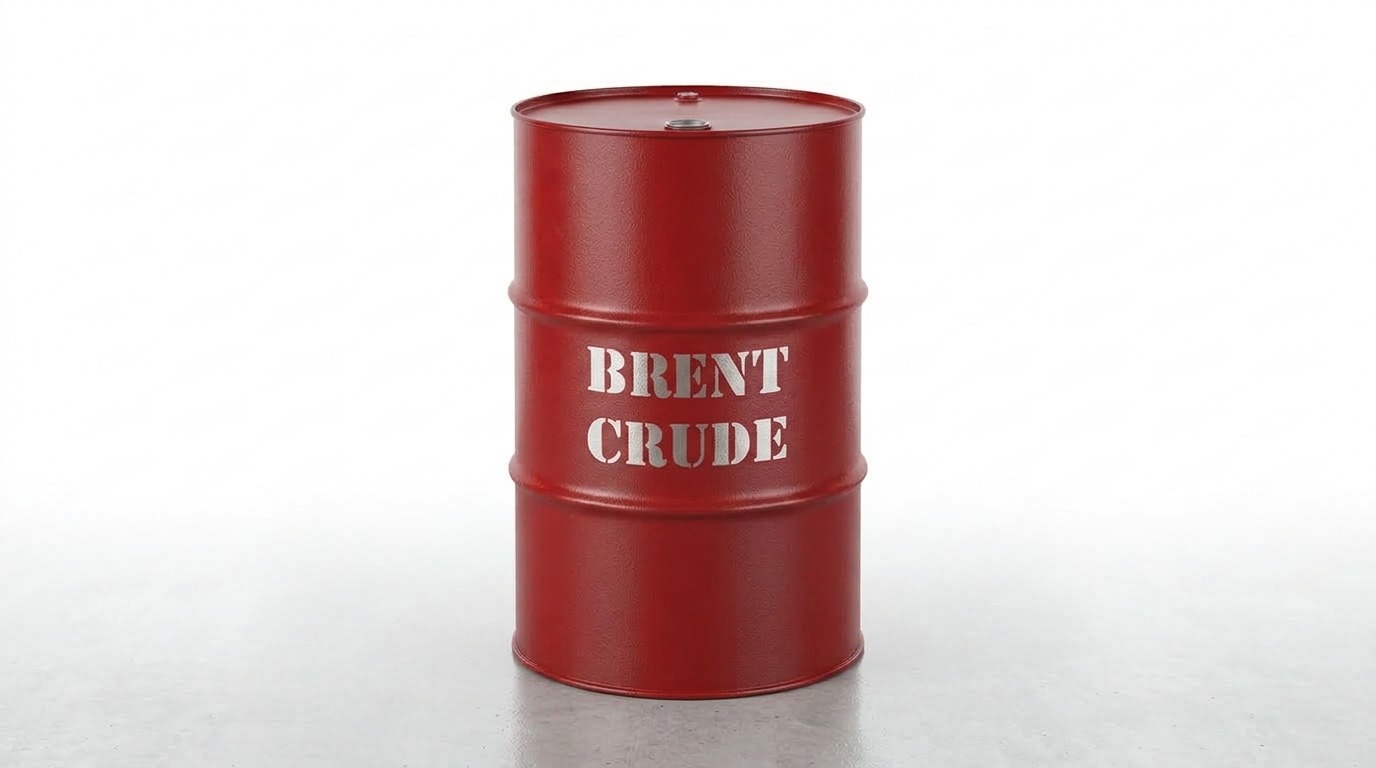
Brent crude futures rose 43 cents, or 0.4%, to $103.51 a barrel on Thursday, while West Texas Intermediate gained 35 cents to $92.51. The move followed a roughly 4% increase in oil prices during the previous session.
The market is responding to uncertainty over the prospects for ending the conflict. Iranian and US officials have continued communicating, but differences remain over the conditions required for an agreement.
Iranian officials have indicated that Tehran is reviewing US proposals, while Iranian peace demands include the lifting of a naval blockade and the reopening of the Strait of Hormuz. The strategic waterway remains central to global energy security because of its role in international oil transportation.
The renewed rise in crude prices is already influencing broader financial markets. European shares weakened on Thursday as investors assessed higher energy costs alongside geopolitical uncertainty, while government bond yields remained elevated amid concerns about inflation.
Higher oil prices can affect economies through several channels. Transport, manufacturing, logistics and aviation face increased operating costs, while households may experience additional pressure through fuel and energy prices.
For energy producers, the environment is reinforcing the importance of supply resilience, strategic inventories and alternative transportation routes. Governments and companies are also likely to maintain scrutiny of infrastructure exposed to geopolitical disruptions.
The latest price movement illustrates how quickly diplomatic developments can translate into financial and operational risks across international markets. Even without a major physical disruption to supply, uncertainty surrounding key production and shipping corridors can influence prices and investment decisions.
For businesses and policymakers, the challenge extends beyond managing short-term fuel costs. Persistent energy volatility could affect inflation, monetary policy, infrastructure investment and industrial competitiveness.
As negotiations continue, global energy markets are likely to remain highly sensitive to developments around the Strait of Hormuz and the broader US-Iran conflict. The direction of crude prices will depend increasingly on whether diplomatic channels produce measurable progress or geopolitical uncertainty continues to dominate supply expectations.