Brent crude futures fell to around $98.47 a barrel in early trading, while West Texas Intermediate declined to about $89.31. Both benchmarks have fallen for six consecutive sessions, extending a reversal from the sharp price increases recorded after disruptions to regional energy flows.
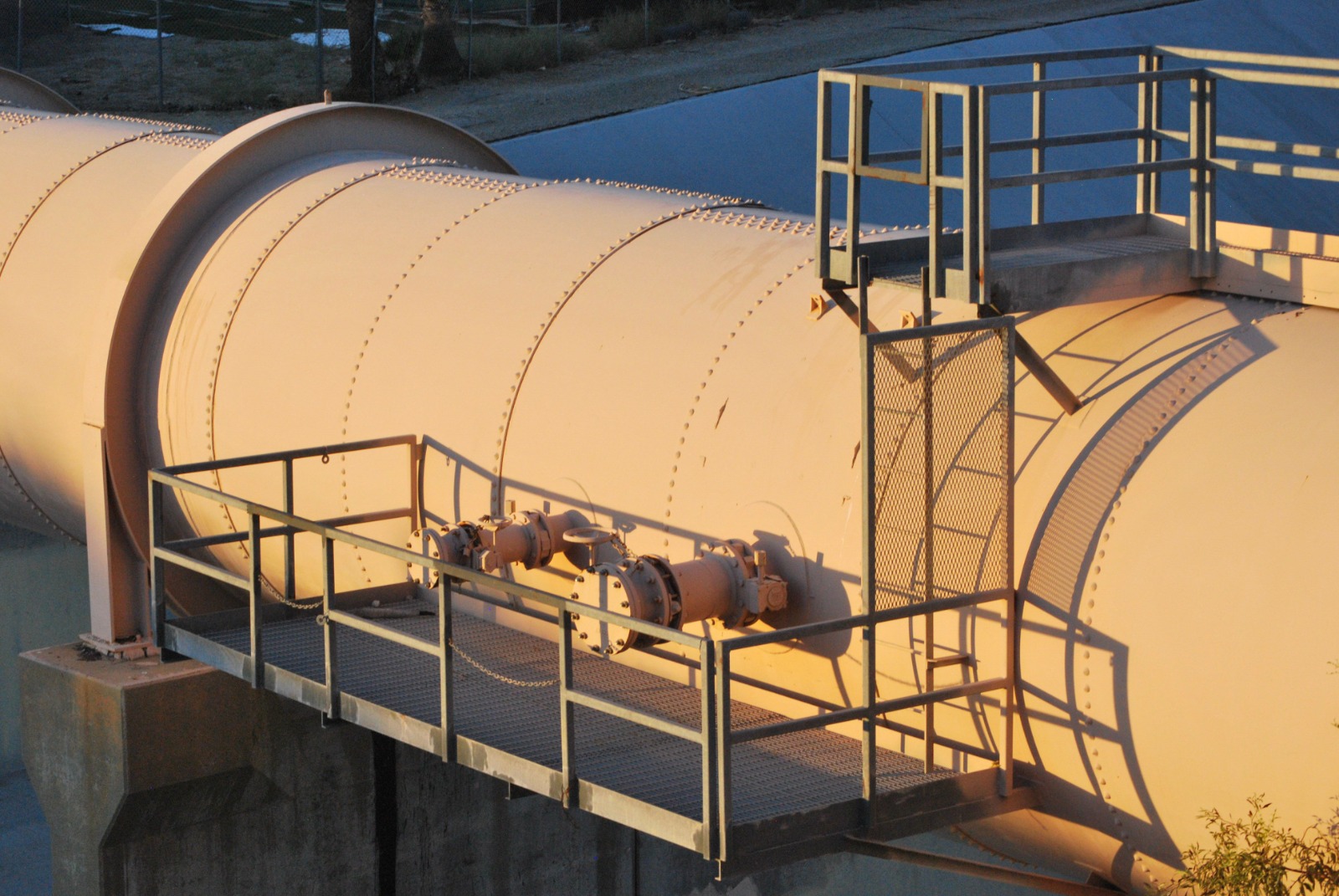
A major factor behind the decline has been the restoration of Saudi Arabia's East-West Pipeline, which was shut after drone attacks disrupted operations. The pipeline provides an alternative route for moving Saudi crude towards the Red Sea and can help reduce dependence on the Strait of Hormuz.
Sources told Reuters that Saudi Arabia had restarted the pipeline at a low rate and could resume exports from Yanbu. The pipeline had previously been used to reroute around 4 million barrels per day of crude towards the Red Sea, highlighting its importance to regional supply resilience.
Markets are also monitoring diplomatic developments involving Washington and Tehran. US President Donald Trump has said discussions involving his representatives and Iranian mediators have made progress, while Iranian officials have continued to signal conditions under which the Strait of Hormuz could be reopened.
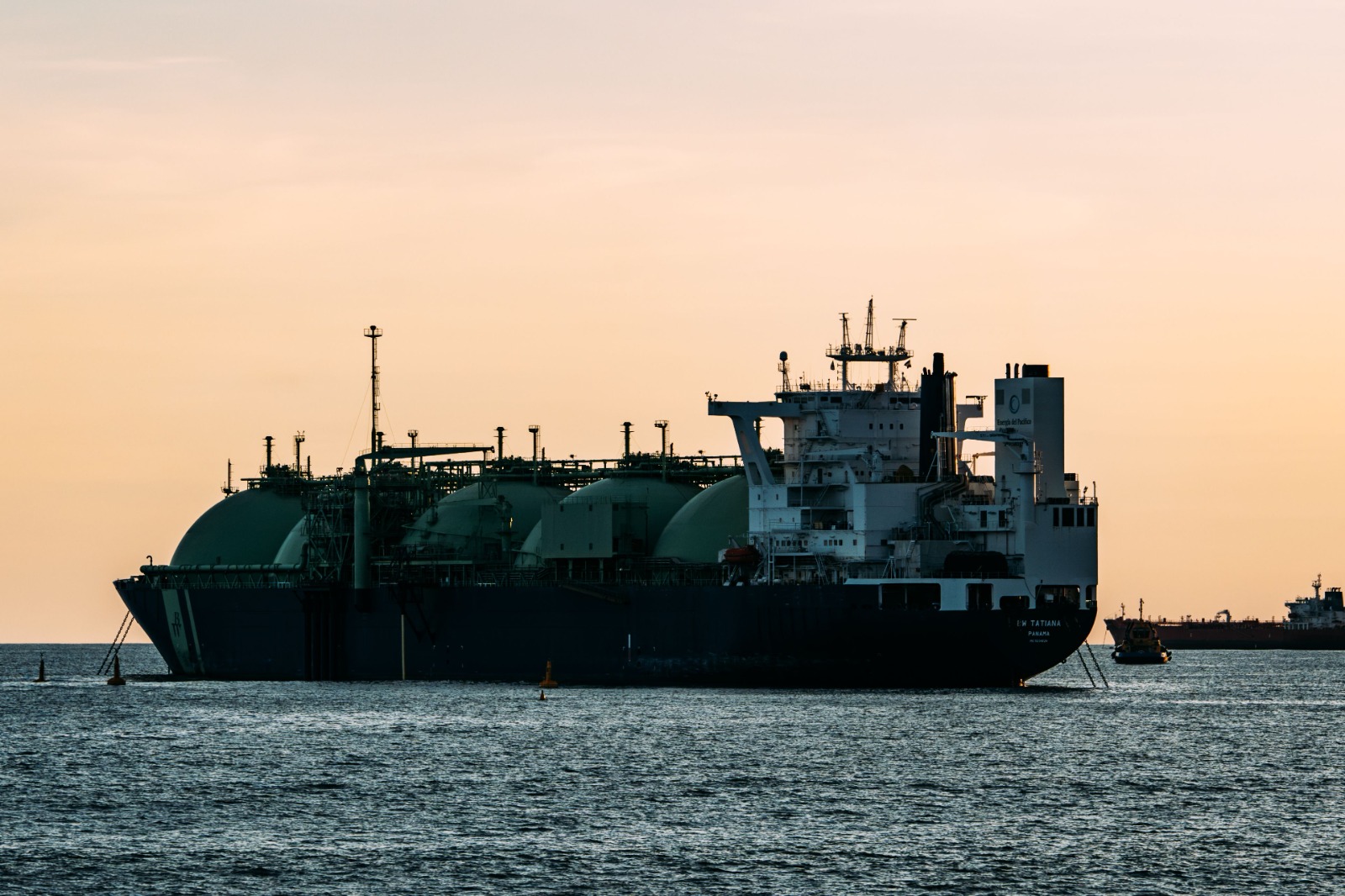
The Strait remains strategically important to global energy markets because disruption to the route can affect crude and refined-product shipments across the Gulf. Any sustained improvement in flows would reduce the risk premium embedded in oil prices and ease pressure on energy-importing economies.
However, the market remains vulnerable to renewed disruption. Saudi Arabia's pipeline restoration does not by itself restore all affected regional flows, while the conflict continues to create uncertainty around infrastructure and shipping routes.
For energy companies, governments and industrial users, the latest price decline reinforces the value of diversified transport networks and alternative supply routes. Market attention will remain focused on whether restored Saudi capacity and diplomatic engagement translate into a more durable improvement in global energy security.