Brent crude rose 1.74% to $106.14 a barrel by 2202 GMT on Monday, while US West Texas Intermediate gained 1.23% to $93.55. Earlier trading saw Brent rise above $107 as investors responded to renewed uncertainty over efforts to reopen the strategic shipping route.
The latest price movement followed the rejection by US President Donald Trump of an Iranian proposal aimed at reopening the Strait of Hormuz. Trump said discussions would continue during the week, but the absence of an immediate agreement has kept markets focused on the possibility of prolonged disruption.
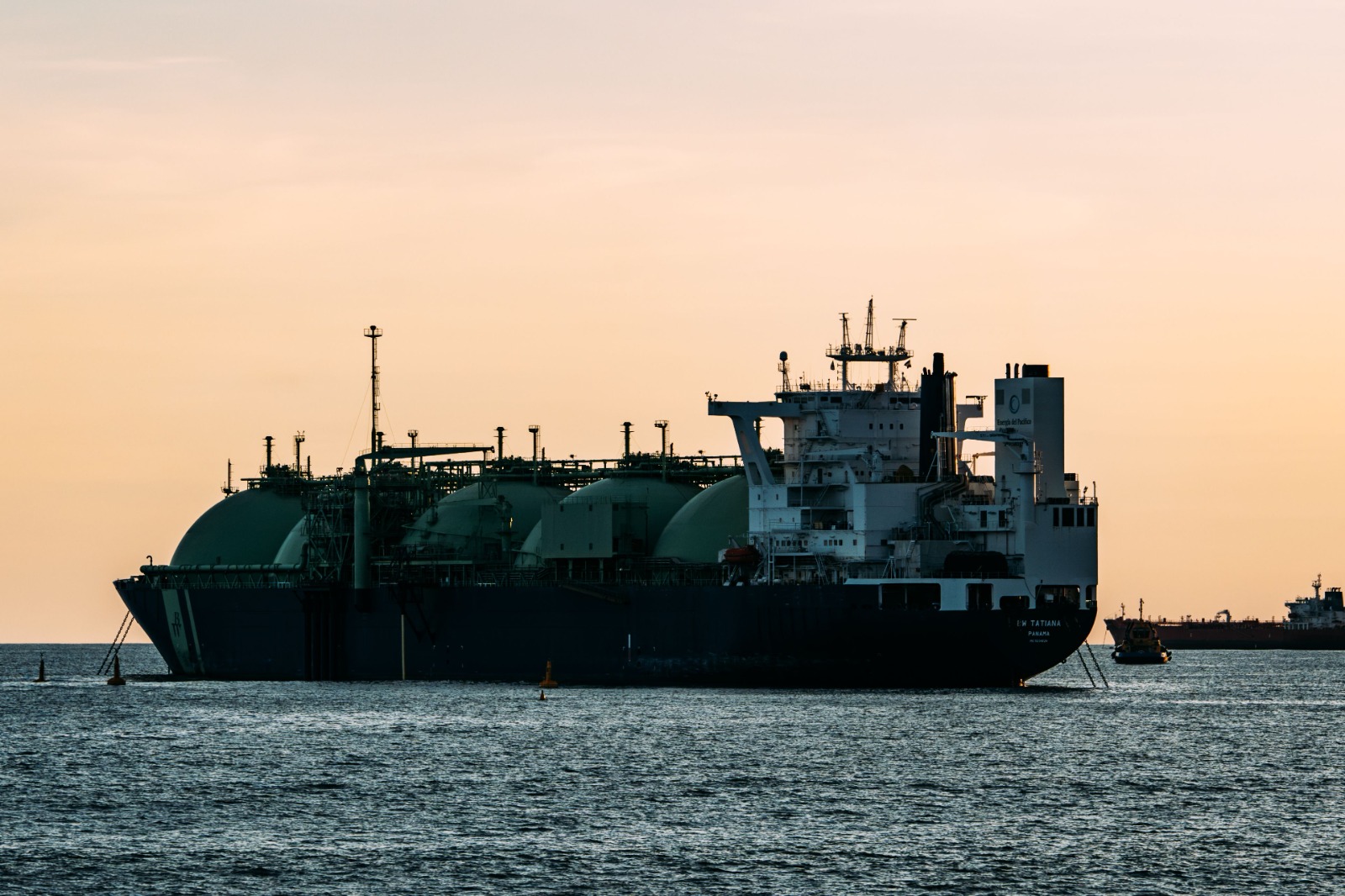
The Strait is a critical route for international energy trade, making developments around its operation particularly significant for oil-importing economies, refiners and shipping companies. A prolonged disruption could increase transportation costs and force energy companies and traders to rely more heavily on alternative supply and shipping arrangements.
The wider energy market is already under pressure. Brent prices have gained almost 20% during September and are nearly 50% above levels recorded before the conflict began in late February. Refined fuel markets have experienced an even sharper increase, with diesel prices reaching record levels amid limited refining capacity.
Higher crude prices are also increasing the economic consequences of the disruption. Transport operators, manufacturers, airlines and logistics companies face greater exposure to fuel costs, while businesses dependent on international shipping could experience additional pressure on margins.
Governments and energy companies are consequently likely to place greater emphasis on supply diversification, strategic reserves and alternative transportation routes. Refining capacity is also becoming a more important component of energy-security planning as crude availability alone does not guarantee sufficient supplies of finished fuels.
For investors, the immediate focus remains on the duration of the disruption and the ability of producers, refiners and shipping networks to adapt. Any progress towards reopening Hormuz could quickly alter price expectations, while further deterioration could extend the current energy-market shock.
The coming weeks are therefore likely to test the resilience of global energy infrastructure and the capacity of governments and companies to manage another period of elevated supply risk.