Benchmark crude prices retreated toward levels seen before the recent escalation in Middle East tensions, providing relief to businesses, policymakers and financial markets that had been preparing for the possibility of sustained energy price volatility.
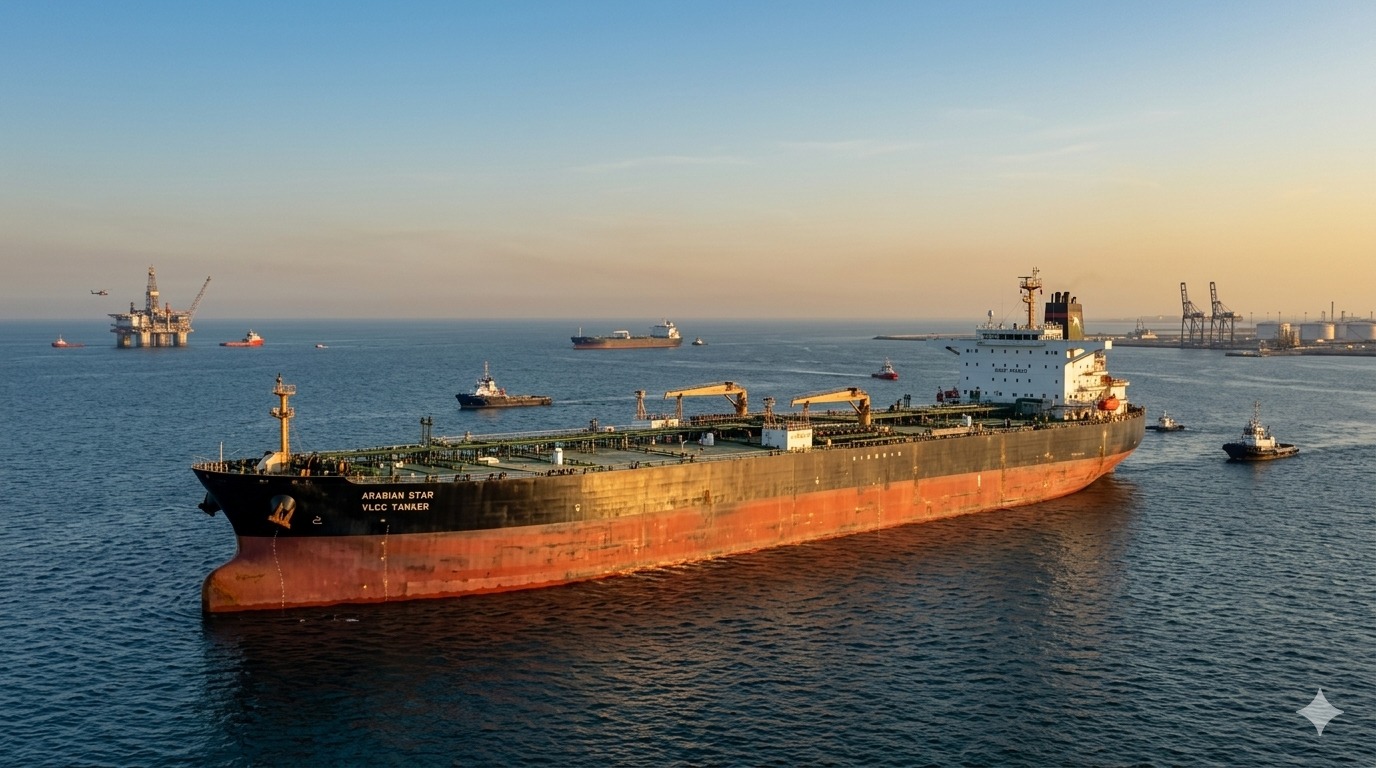
The Strait of Hormuz remains a critical route for global energy exports, carrying a substantial share of internationally traded crude oil and liquefied natural gas. Any disruption to traffic through the waterway has the potential to affect fuel costs, inflation expectations and supply-chain planning across multiple industries.
The easing of market concerns comes at a critical time for many economies. Businesses ranging from manufacturers and airlines to logistics providers and retailers have faced heightened uncertainty in recent weeks as fluctuating energy prices complicated budgeting and operational planning.
Analysts say lower oil prices could reduce pressure on transportation costs and ease inflation concerns that had resurfaced following the earlier spike in energy markets. The development may also provide central banks with greater flexibility as they assess future monetary policy decisions.
For infrastructure operators and energy companies, attention is shifting from immediate disruption risks toward long-term resilience planning. Governments and industry leaders continue evaluating strategies to strengthen energy security, diversify supply sources and improve infrastructure preparedness for future geopolitical shocks.
Financial markets responded positively to the decline in crude prices, with investors viewing the move as a sign that broader economic risks linked to energy supply disruptions may be easing.
While uncertainties remain, the latest developments highlight the importance of stable energy corridors to global economic activity. Businesses and policymakers alike will continue monitoring shipping activity and regional security conditions as they assess the durability of the current market relief.