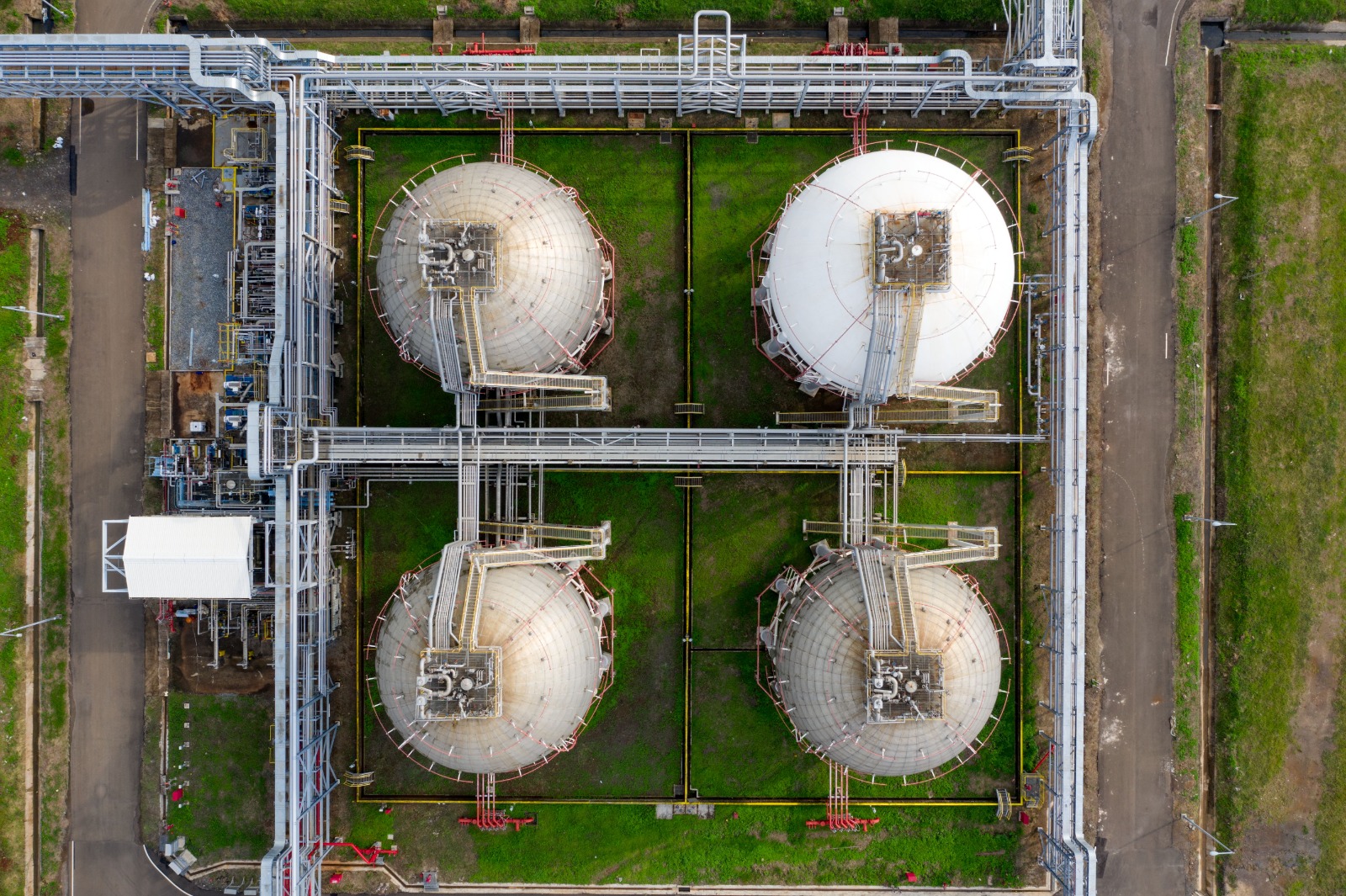
The targets form part of China’s 15th Five-Year Plan for the oil and gas sector, released on Monday. The plan includes expanded pipeline networks, greater natural-gas storage capacity and improvements to the efficiency and digital management of energy infrastructure.
The strategy reflects a broader shift in how China approaches energy security. Rather than relying solely on increasing supply, Beijing is seeking to strengthen the infrastructure connecting imported fuels, domestic production, storage facilities and industrial users.
That distinction is important for energy markets. China is the world’s largest energy consumer, meaning changes in its infrastructure planning can influence demand for liquefied natural gas, pipeline gas, oil-storage facilities, engineering services and related equipment.
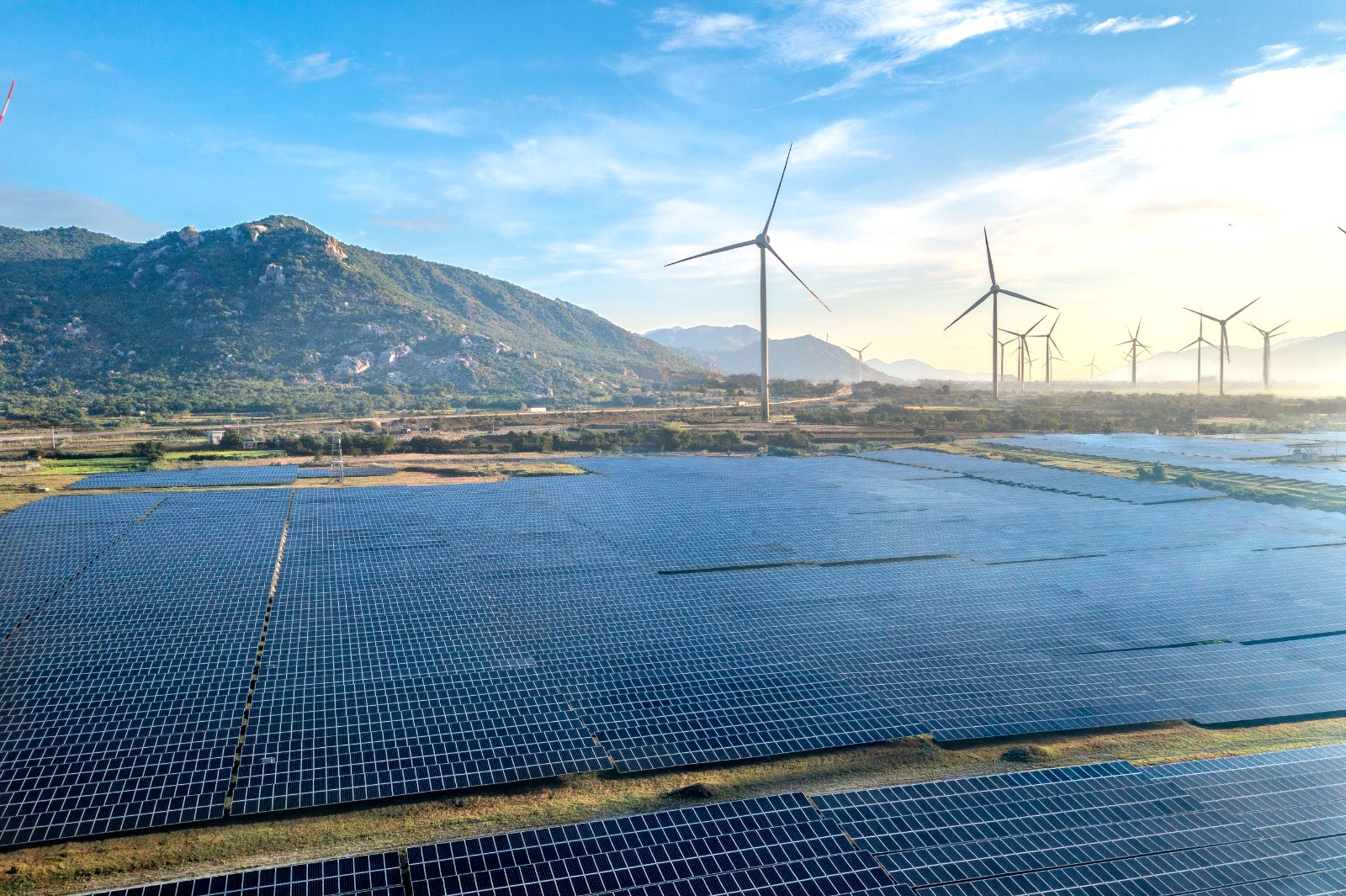
The investment programme also comes as China continues to expand renewable-energy capacity. Integrating larger volumes of intermittent renewable power requires stronger grids, storage systems and digital management capabilities. The resulting infrastructure spending could therefore create opportunities across both conventional energy and clean-energy supply chains.
For international energy companies, the policy provides a longer-term indication of where Chinese demand for infrastructure may develop. Pipeline construction, storage, energy-management systems and digital infrastructure could become increasingly important areas of investment as Beijing attempts to make the energy system more flexible.
There are also strategic implications. Greater storage capacity and diversified infrastructure can reduce exposure to short-term supply disruptions and improve Beijing’s ability to manage geopolitical or commodity-market shocks.
However, infrastructure expansion does not automatically translate into equivalent increases in fuel demand. China is simultaneously increasing domestic energy production and renewable generation, while structural changes in industry and transport could affect the future growth of fossil-fuel consumption.
The balance between infrastructure investment and actual energy demand will therefore be critical for producers and investors.
What to watch: China’s implementation timetable, pipeline and storage investment, LNG-import trends, renewable integration and evidence that infrastructure spending is translating into stronger energy-system resilience.