The latest developments have renewed attention on one of the world's most critical maritime corridors, through which a substantial share of internationally traded oil and liquefied natural gas passes each day. Although energy exports continue, uncertainty surrounding the route has prompted governments and private-sector operators to review contingency measures aimed at safeguarding supply security.
Energy ministries across several importing nations are assessing strategic petroleum reserves, alternative shipping arrangements and diversification of import sources as part of broader resilience planning. Utilities and industrial consumers are likewise evaluating procurement strategies to reduce exposure to potential supply disruptions.
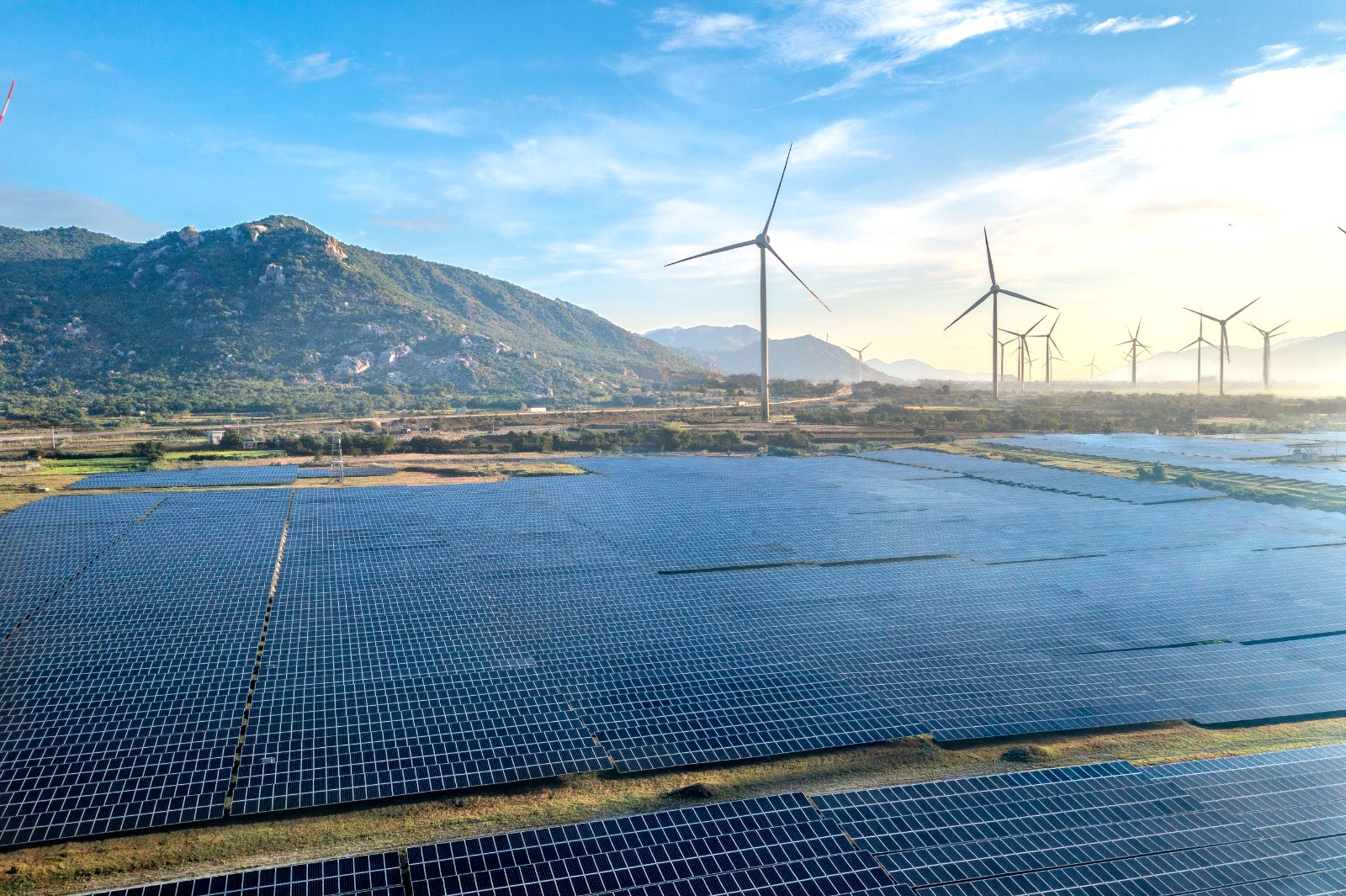
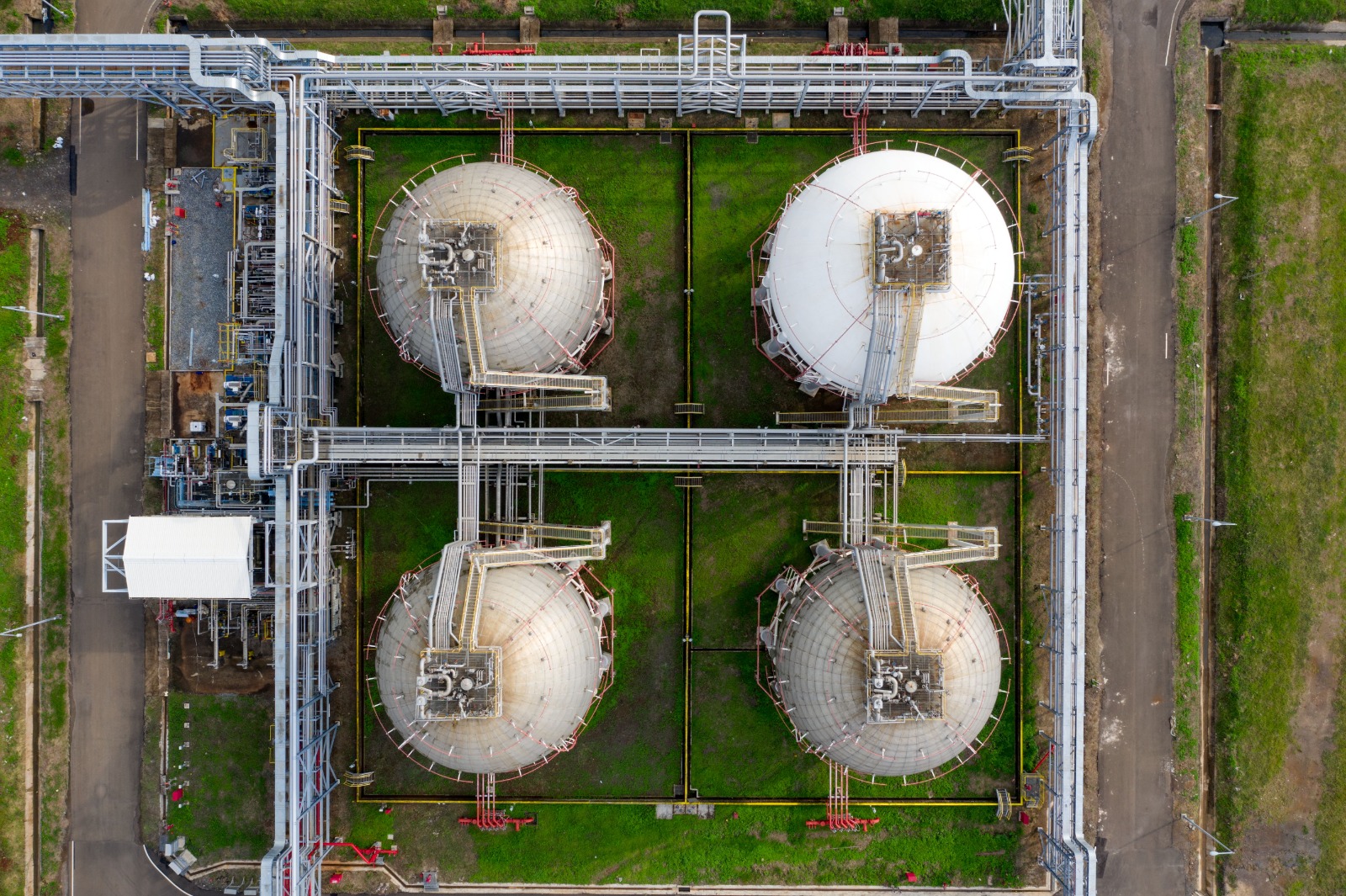
Industry executives say the situation reinforces the growing importance of infrastructure investment beyond traditional production capacity. Greater emphasis is now being placed on pipeline diversification, storage facilities, renewable energy development and regional electricity interconnections capable of reducing dependence on vulnerable transport corridors.
Infrastructure investors are also paying closer attention to geopolitical risk when evaluating long-term projects. Financing decisions increasingly incorporate resilience considerations alongside commercial returns, reflecting a broader shift in global capital allocation towards assets capable of withstanding political and economic shocks.
The implications extend beyond energy markets. Higher fuel costs affect transportation, manufacturing, aviation and agriculture, creating wider inflationary pressures throughout the global economy. Businesses dependent on predictable energy pricing continue facing increased uncertainty as geopolitical developments influence commodity markets.
Economists argue that the latest tensions demonstrate why energy security has become a central pillar of economic policy rather than solely an infrastructure concern. Reliable access to affordable energy increasingly underpins industrial competitiveness, investment confidence and long-term economic resilience.
For policymakers, the challenge now lies in accelerating infrastructure modernisation while balancing affordability, sustainability and security objectives. For investors, the evolving energy landscape presents both new risks and significant opportunities across conventional energy, renewable technologies and strategic infrastructure development.