
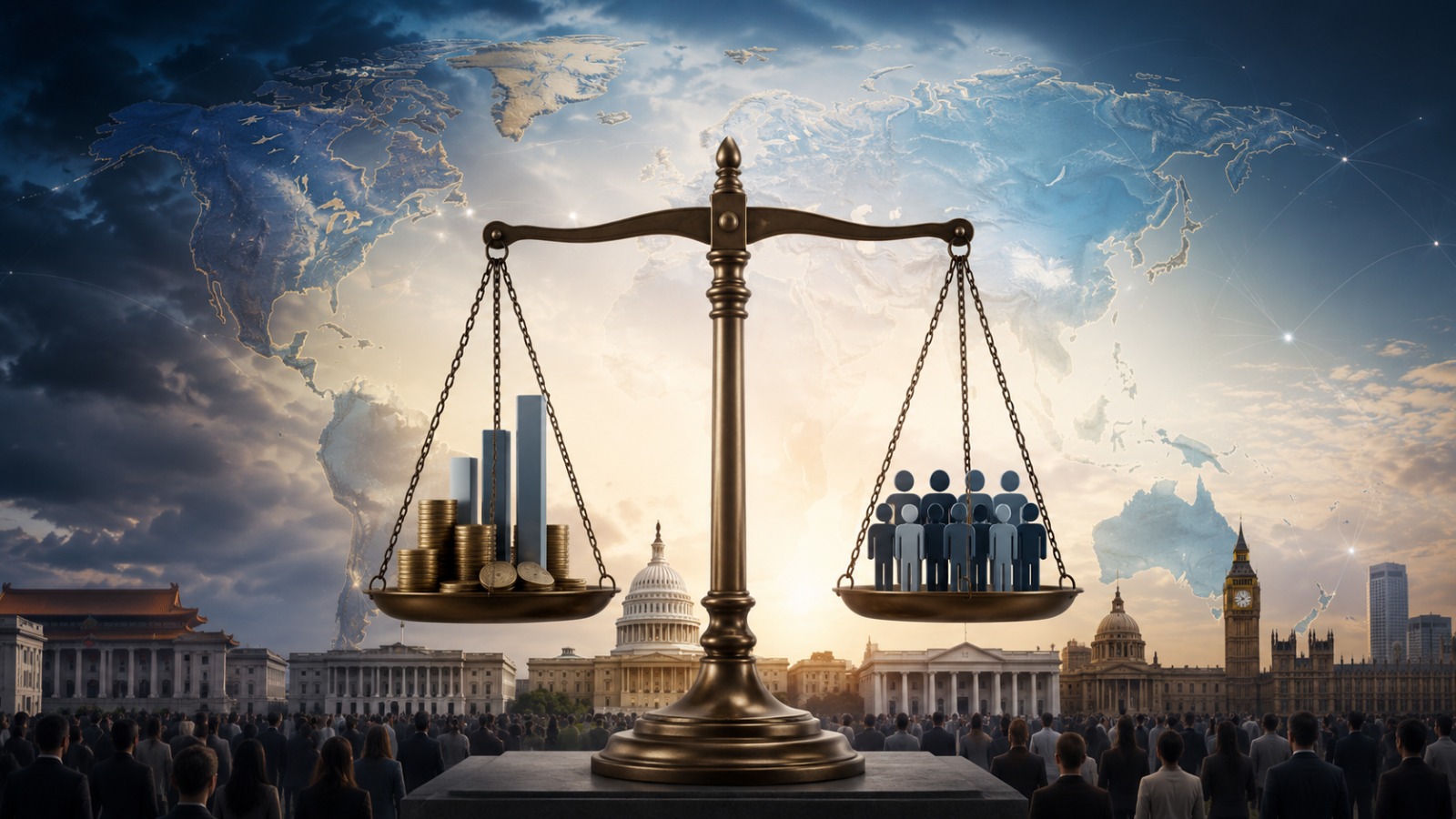
Political leaders are increasingly finding that economic management, rather than traditional ideological debates, is shaping public confidence and influencing policy priorities. From North America and Europe to parts of Asia and Africa, governments are under pressure to demonstrate that they can support growth while maintaining fiscal discipline and protecting households from rising costs.
The challenge comes at a time when voters remain sensitive to inflation, housing affordability, healthcare costs and employment prospects. Although inflation has moderated from the peaks recorded in previous years, many households continue to feel the effects of higher prices and tighter financial conditions.
Economists note that economic concerns now intersect with broader political questions involving industrial policy, energy security, technological competitiveness and national resilience. Governments are increasingly expected to deliver not only macroeconomic stability but also long-term economic opportunity.
Public finances have become a key area of focus. Rising debt-servicing costs are limiting fiscal flexibility in many economies, forcing policymakers to make difficult decisions regarding spending priorities, taxation and investment programmes.
Businesses are closely monitoring political developments as policy outcomes increasingly influence regulatory frameworks, infrastructure investment and market confidence. Corporate leaders have repeatedly emphasised the importance of predictable policy environments for investment planning and economic expansion.
Investors are also paying closer attention to political risk as elections, fiscal debates and geopolitical developments become more closely linked to financial-market performance.
Analysts say the ability of governments to maintain economic stability while navigating structural changes in technology, trade and global competition may become one of the defining tests of political leadership during the coming decade.
As economic challenges continue evolving, policymakers face growing pressure to balance immediate public concerns with long-term strategies capable of sustaining growth, competitiveness and social cohesion.