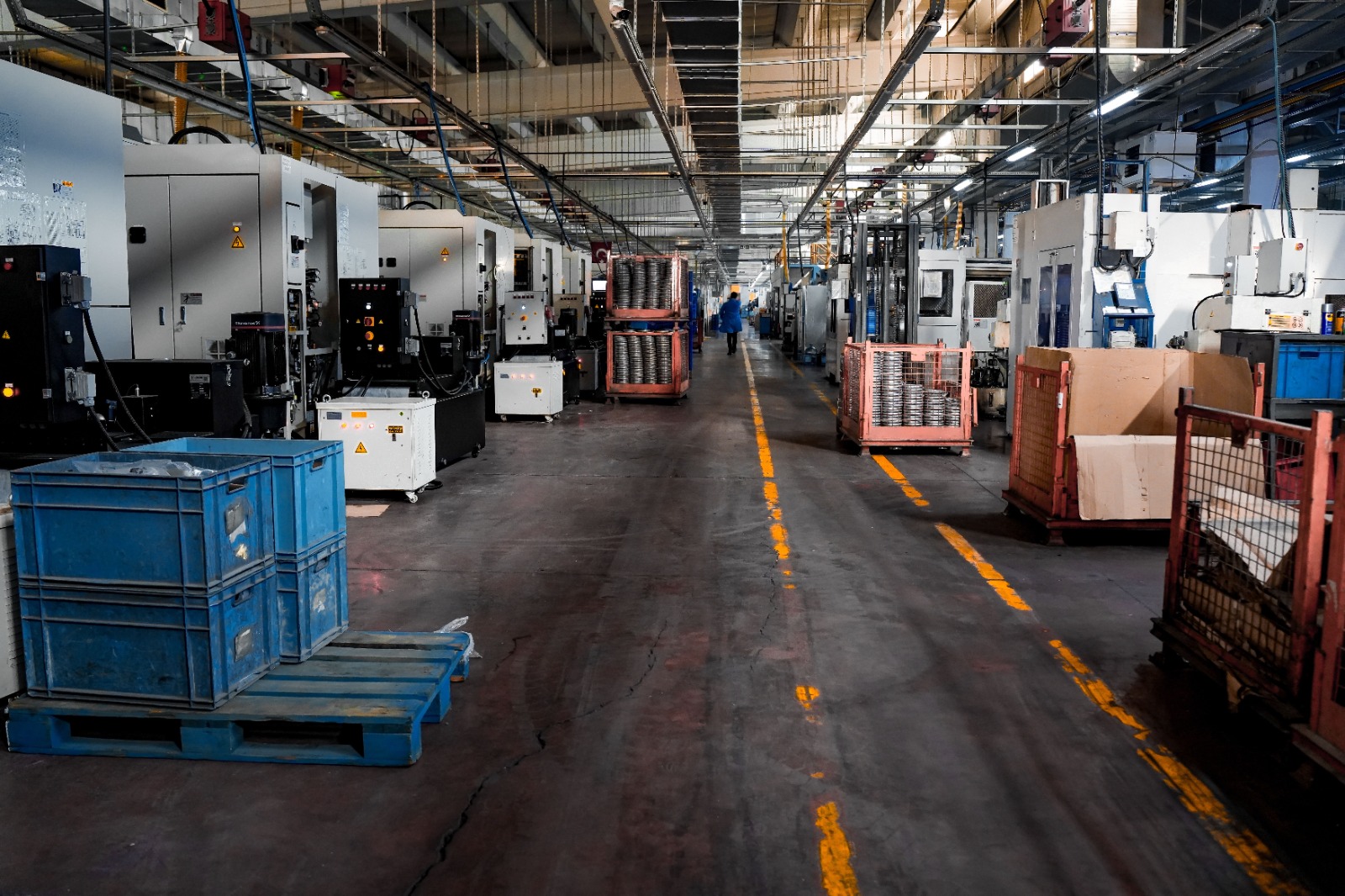
China is the world's largest manufacturer of batteries used for grid balancing and backup power. The decision to pause new factory approvals reflects growing concerns that rapid capacity expansion could create overcapacity and weaken profitability across the industry.
The review is focused on existing and planned energy-storage production capacity, particularly battery-cell manufacturing. Projects that have not yet begun construction are being affected by the pause, while projects already under construction are understood to be less affected.
The development comes as demand for storage continues to expand. Renewable energy deployment requires batteries capable of balancing intermittent solar and wind generation, while electricity networks increasingly need storage to manage peak demand and improve system reliability.
The policy therefore highlights a growing tension within China's clean-energy manufacturing model. Strong government and private-sector investment has allowed producers to scale rapidly, reducing costs and establishing Chinese companies as dominant suppliers to international markets. However, excessive capacity can create falling prices, weak margins, and inefficient capital allocation.
For manufacturers, a capacity review could accelerate consolidation. Companies with stronger balance sheets, more efficient production systems and access to overseas markets may be better positioned to survive a period of slower capacity expansion.
The decision could also affect international battery prices. If China slows the approval of additional factories, future supply growth could moderate, potentially supporting producer margins. However, existing excess capacity remains substantial, meaning the effect on prices may take time to emerge.
For energy developers, the implications are mixed. A more disciplined manufacturing environment could improve the financial health of battery suppliers, but any prolonged reduction in capacity expansion could eventually affect the availability or pricing of storage equipment.
The development also has implications for China's industrial policy. Beijing has increasingly sought to address overinvestment and destructive price competition across strategic manufacturing industries, particularly where rapid expansion has outpaced sustainable demand.
For investors, the key issue is whether the policy represents a temporary administrative review or the beginning of a broader restructuring of China's energy-storage manufacturing base.
A successful capacity reset could improve industry profitability and encourage consolidation, while a prolonged slowdown could create uncertainty for companies planning large renewable-energy and grid-storage projects.
What to watch: Investors will monitor the duration of the approval suspension, government guidance on acceptable capacity levels, producer consolidation and battery pricing. Developments in China's domestic storage demand and overseas exports will also indicate whether the sector is moving towards a more sustainable supply-demand balance.