
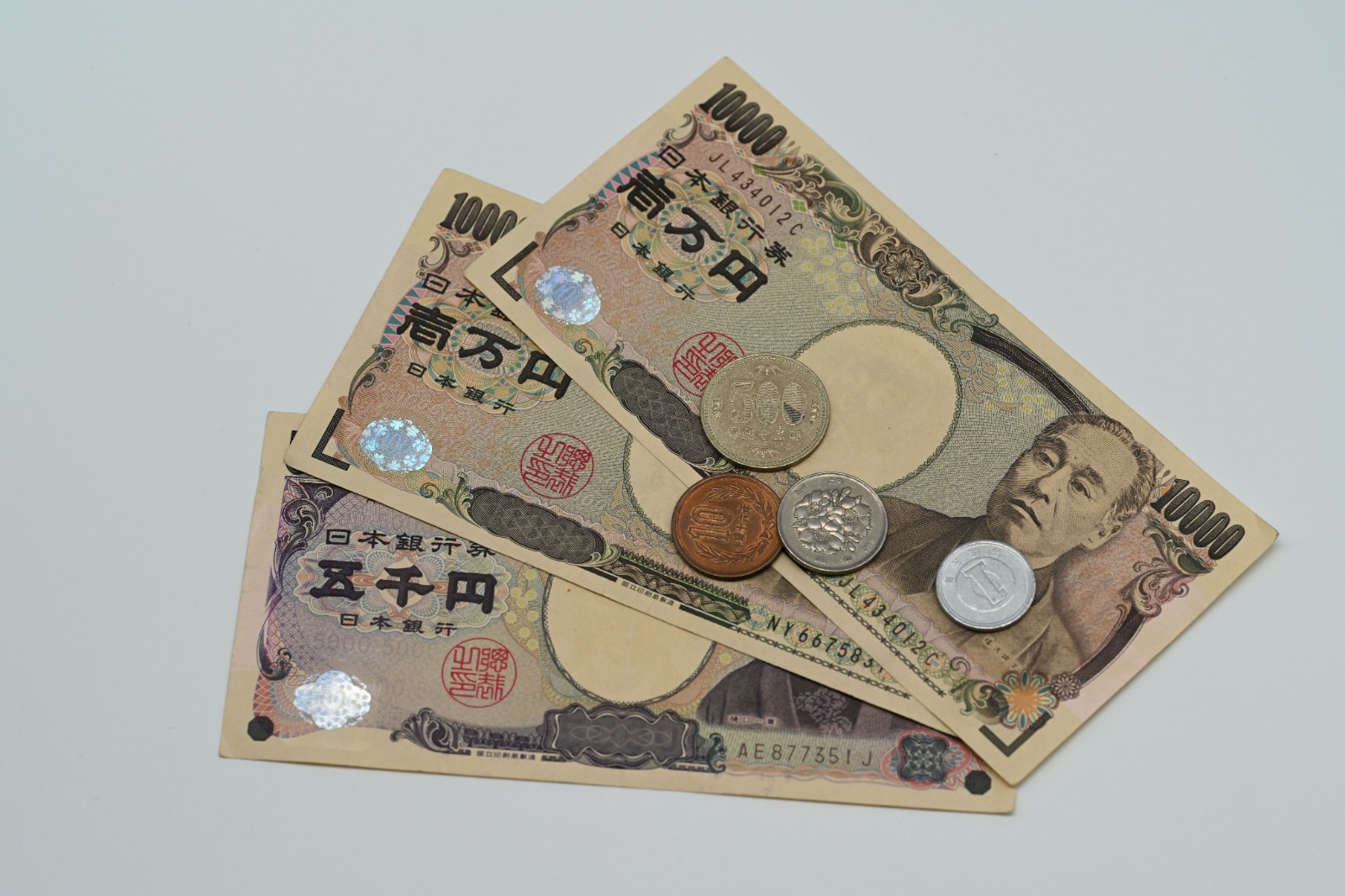
The yen reached ¥152.89 against the dollar, its strongest level since February, and has appreciated roughly 4% since last week. The move reflects growing expectations that the Bank of Japan could raise interest rates at its September 17–18 meeting.
The significance extends beyond Japan's currency market.
For years, low Japanese interest rates helped support the carry trade, in which investors borrowed yen at relatively low costs and invested the proceeds in higher-yielding assets elsewhere. As expectations of Japanese monetary tightening strengthen, the economics of that strategy become less attractive.
Reuters estimates that roughly $2.35 trillion in yen-funded carry trades are being unwound as investors respond to the currency's rapid appreciation.
The resulting adjustment can amplify market movements. Investors closing carry positions may need to sell overseas assets and repurchase yen, creating additional demand for the Japanese currency while putting pressure on equities, bonds and other risk-sensitive investments.
The timing is particularly important. Global markets are simultaneously dealing with higher oil prices, geopolitical uncertainty and changing expectations for US monetary policy.
Rising oil prices are adding to inflation concerns, while strong US employment data has increased market expectations of a Federal Reserve rate hike. The interaction between Japanese tightening and US policy uncertainty creates a more complicated currency environment than investors faced earlier in the year.
A stronger yen also creates challenges for Japanese exporters by making their products more expensive in international markets. That dynamic could become increasingly relevant for companies whose earnings depend heavily on overseas sales.
For the Bank of Japan, however, currency strength provides a different consideration. A stronger yen can reduce the domestic cost of imported energy and commodities, potentially helping to contain inflation.
Markets are therefore approaching the September policy meeting with heightened sensitivity. If the BOJ confirms a more hawkish trajectory, the yen could retain momentum and encourage further carry-trade unwinding.
The broader implication is that Japan's return to conventional monetary policy is no longer a domestic story. Its currency is once again becoming a significant variable in global asset allocation.