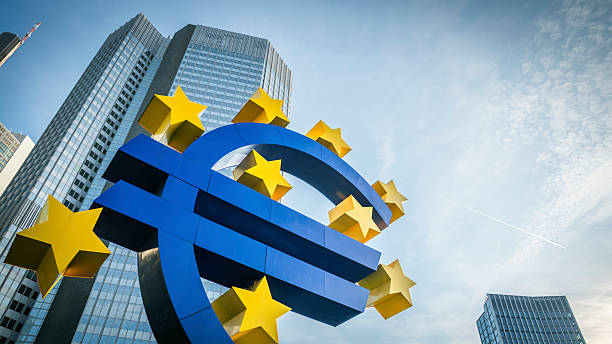
The ECB is widely expected to raise its deposit rate by 25 basis points on Thursday to 2.5%. The decision had largely been anticipated as an insurance move against renewed inflationary pressure, but financial markets are increasingly considering the possibility of additional increases later this year.
Deutsche Bank has revised its forecast and now expects another 25-basis-point increase in December, taking the likely terminal rate to 2.75%. The bank previously expected rates to peak at 2.5%, based on an assumption that the energy shock would be temporary and economic growth would weaken.
That assumption is becoming less certain. Brent crude has risen sharply while European gas prices have reached their highest level since early 2023, increasing the probability that higher energy costs will remain a significant source of inflationary pressure.
The ECB nevertheless faces limits to how aggressively it can respond. Euro zone labour-market conditions remain relatively soft, while wage growth continues to moderate. Services inflation has also shown less persistence than headline inflation, suggesting that the current price shock has not yet become broadly embedded in domestic cost pressures.
The policy dilemma is particularly important for businesses. Higher borrowing costs increase the cost of corporate investment and working capital, while expensive energy raises production and transportation expenses. Industries dependent on imported fuel and electricity therefore face pressure from both sides of the balance sheet.
Government finances are also becoming more sensitive to higher interest rates. Bond yields have risen across several major euro zone markets, increasing refinancing costs for heavily indebted governments. The ECB must therefore balance inflation control against the risk of further tightening financial conditions.
For investors, the possibility of a 2.75% terminal rate changes the valuation environment across European assets. Higher yields can support bank earnings but create pressure on highly leveraged companies, property markets and long-duration equities.
The central question is whether energy inflation remains contained or begins to generate second-round effects through wages, services and corporate pricing. ECB officials are expected to pay close attention to those indicators when assessing the need for further action.
What to watch: Investors will focus on the ECB's September decision, updated economic projections and policymakers' comments on December policy. Energy prices, services inflation, wage growth and bond yields will provide important signals on whether the tightening cycle extends beyond September.