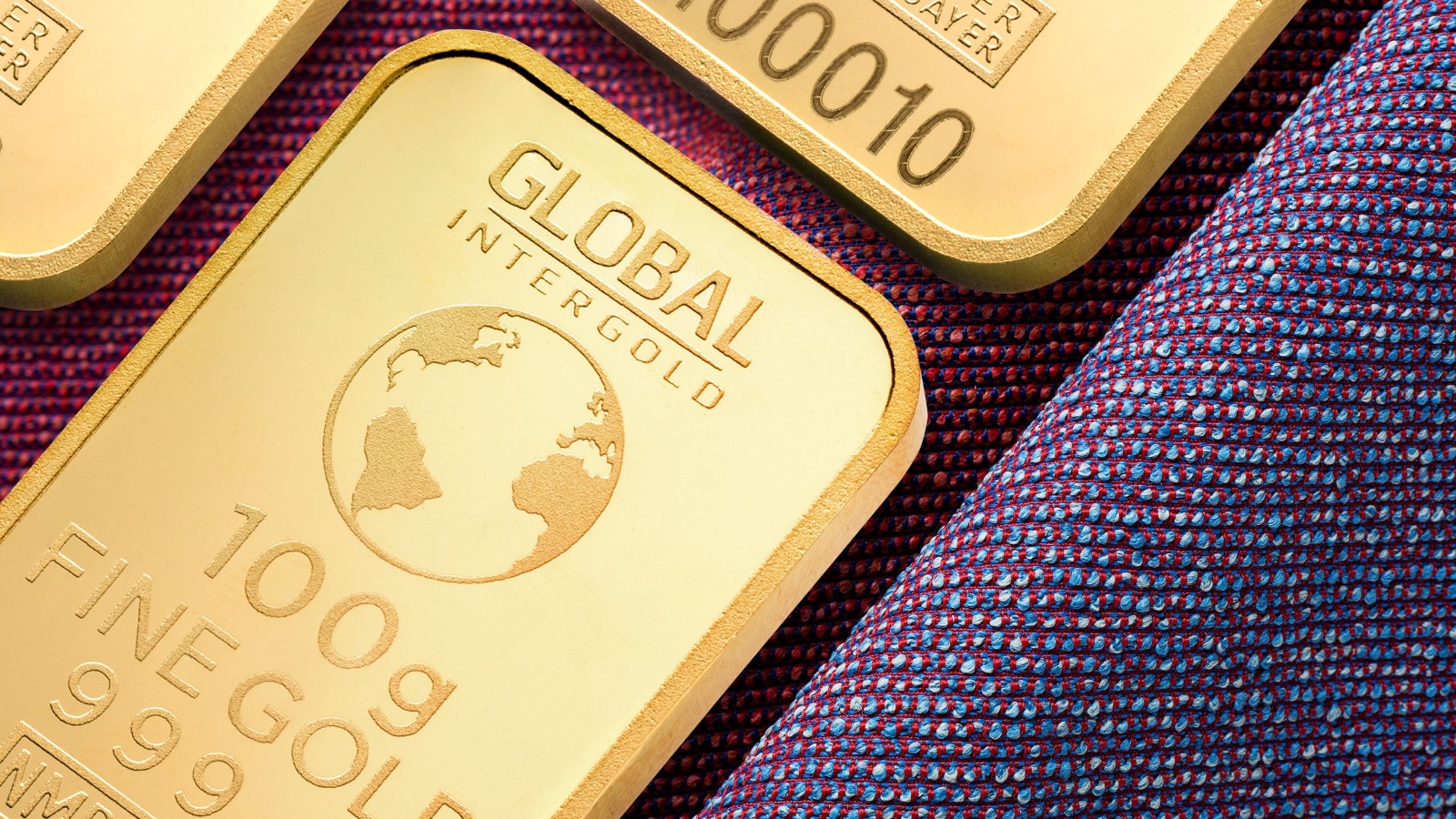
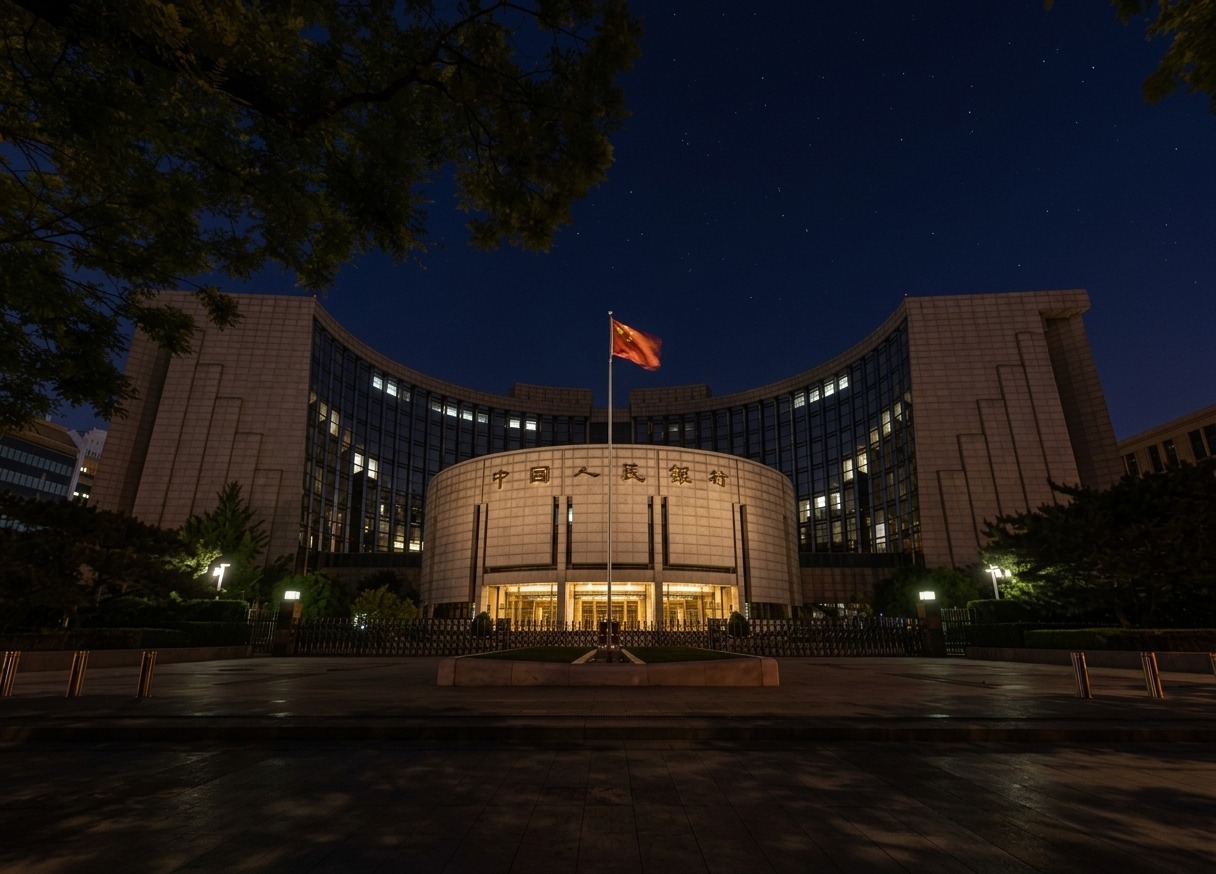
The People's Bank of China added 650,000 ounces of gold to its reserves during August, extending its purchasing streak to 22 consecutive months. The increase came even as gold prices rose sharply, demonstrating continued official-sector demand despite elevated bullion valuations.
The move is significant because central-bank gold purchases have become an increasingly important structural force in the bullion market.
Gold does not generate interest income, meaning its attractiveness can diminish when government bond yields rise. Yet central banks have continued to accumulate the metal as part of broader reserve-diversification strategies.
For China, the purchases come against a backdrop of concerns surrounding inflation, currency risk and the long-term composition of global reserves. Gold's role as an asset outside the liabilities of another sovereign issuer gives central banks an alternative form of reserve diversification.
The latest buying also coincides with a broader reassessment of the US dollar among investors. The combination of concerns over inflation, fiscal policy and currency stability has encouraged demand for alternative stores of value, helping gold prices rise nearly 10% in August.
Yet the near-term environment remains complicated.
Higher bond yields increase the opportunity cost of holding a non-yielding asset such as gold. Rising oil prices are also reinforcing inflation expectations and increasing the possibility of tighter monetary policy, conditions that can create headwinds for bullion. Reuters reported that gold was trading lower on Tuesday as markets assessed the implications of higher energy prices and US rate expectations.
The significance of China's purchases therefore extends beyond the immediate direction of gold prices.
The accumulation represents a long-duration reserve decision rather than a short-term trading position. If other central banks continue to follow a similar path, official-sector demand could provide structural support for bullion even during periods when higher interest rates weigh on private investment demand.
For global markets, the development reinforces a wider trend towards reserve diversification.
The question is no longer simply whether gold can rise further. It is whether the continued accumulation of bullion by major sovereign institutions signals a gradual change in how countries balance currencies, government debt and hard assets within their reserves.
China's latest purchase suggests that this strategic adjustment remains underway.