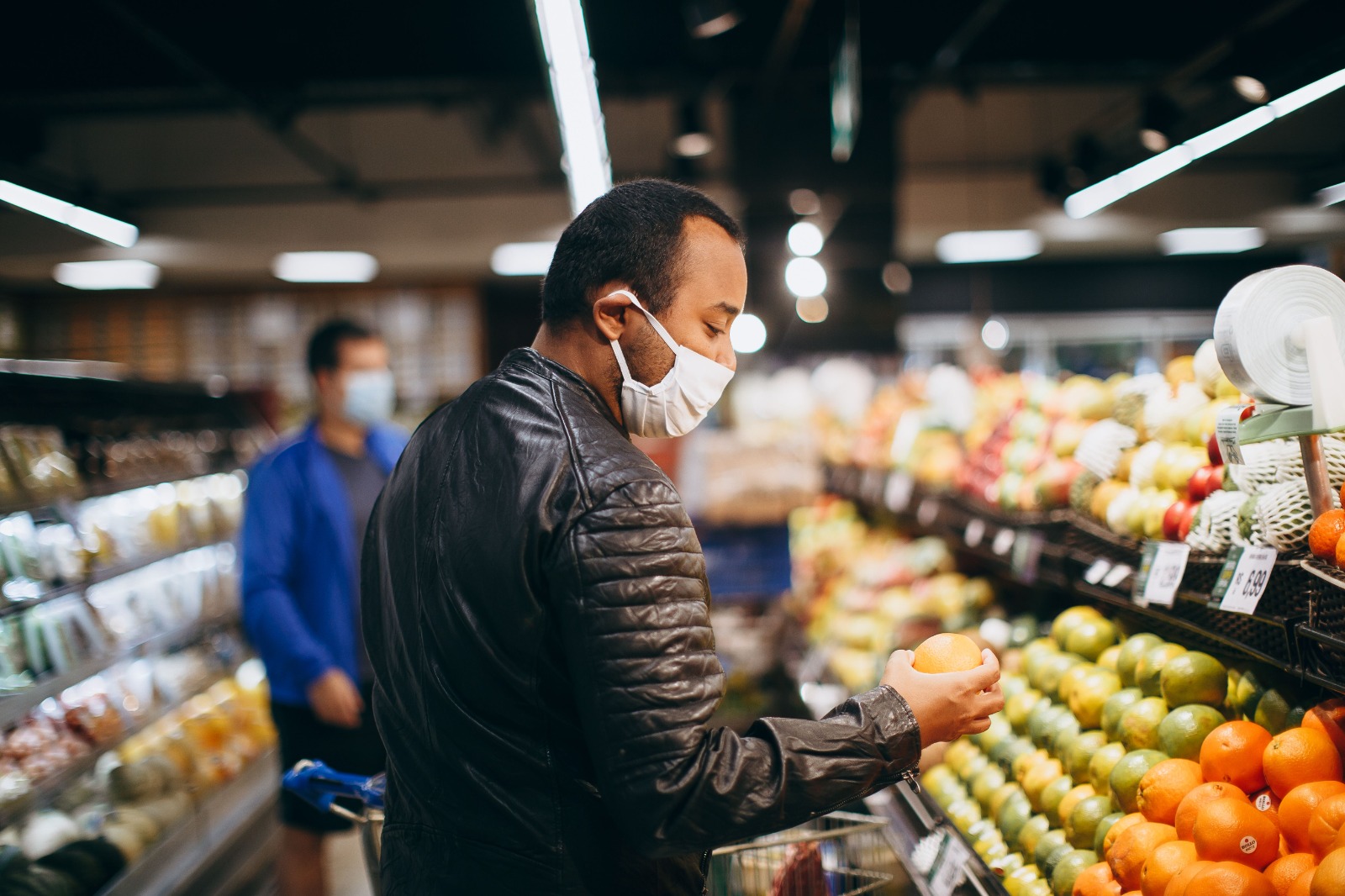
Like-for-like grocery inflation fell to 2.1%, from 2.6% in the previous four-week period and 3.0% in the preceding report. Grocery sales nevertheless increased 2.5% year on year, suggesting that softer price growth has not translated into a broad contraction in consumer spending.
The data point to an increasingly competitive retail environment. Worldpanel said fierce competition among supermarkets, resistance from consumers to further price increases and improved supplier hedging have helped prevent food inflation from reaching levels forecast earlier in the year.
Promotional activity remains an important part of that competition. About 31.3% of grocery sales during the latest four-week period involved a deal, indicating that retailers continue to use discounts to protect volumes and market share.
Performance across major retailers was uneven. Tesco's grocery sales increased 1.8% over the 12 weeks to August 9, although its market share declined for a third consecutive reporting period. Sainsbury's sales rose 3.5%, while Marks & Spencer's food sales increased 15.9% in the partially covered Worldpanel data. Ocado and Lidl also recorded strong growth.
For retailers, however, lower food inflation does not necessarily mean stronger profitability. Supermarkets continue to face higher wages, energy costs and other operating expenses, while competitive pricing can require them to absorb part of those pressures rather than pass them fully to consumers. Reuters reported last week that Tesco and Sainsbury's had maintained relatively wide profit guidance ranges amid the cost pressures.
The immediate benefit is therefore clearer for consumers than for retailers. For policymakers, the data provide an early indication that food-price pressures may be moderating, although official UK inflation data remain the more comprehensive measure.
What to watch: official July inflation data, supermarket margins, promotional intensity and whether renewed energy and commodity pressures begin feeding through to food prices.