The EU Deforestation Regulation is due to take effect at the end of December 2026. Under the rules, importers must demonstrate that commodities such as cocoa are traceable to specific plots and were not produced on land associated with recent deforestation.
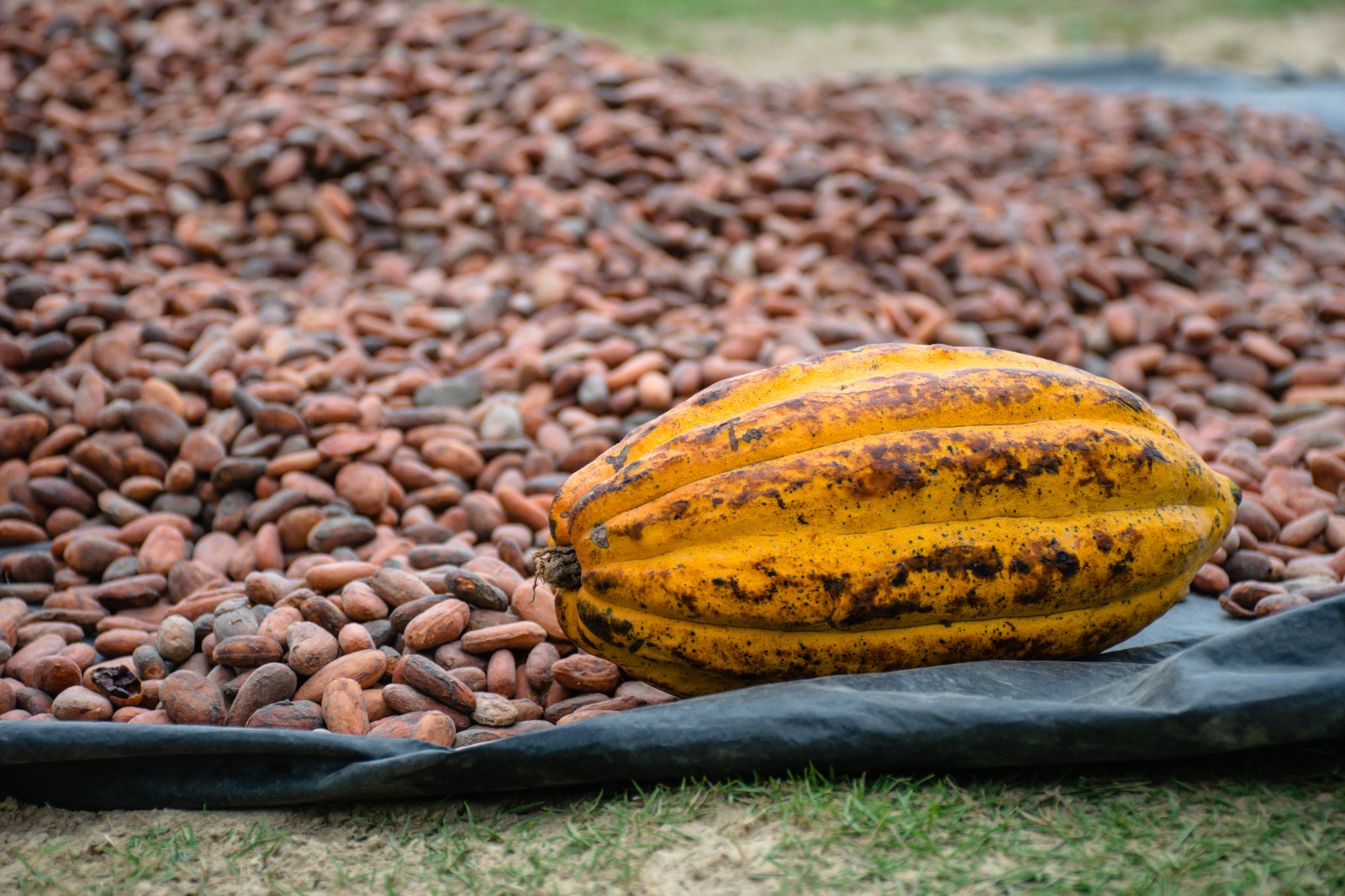
The challenge is particularly significant for West Africa, which produces about 70% of the world’s cocoa and sends roughly two-thirds of its output to the European Union, according to data cited by Reuters from the World Bank, EU and United Nations.
Nigeria illustrates the scale of the problem. The country has about 300,000 mostly small-scale cocoa farmers, many operating in remote areas where mapping farms and maintaining digital records can be difficult.
Some exporters have already invested heavily in compliance. Nigerian exporter Sunbeth Global said it had mapped 124,000 hectares covering about 60,000 metric tonnes of cocoa at a cost of $30 to $70 per tonne. The company has also deployed field agents and established a sustainability team.
Those costs are becoming a commercial issue. European buyers have resisted absorbing the additional expense, potentially reducing exporters’ margins and making compliance more difficult for smaller suppliers.
The risk extends across the global chocolate supply chain. Industry experts warn that insufficiently compliant cocoa could create shortages in the European market, while exporters that complete traceability requirements may command premiums for compliant supply.
For West African producers, the regulation therefore represents both a market-access challenge and a potential incentive to modernise agricultural supply chains.
Governments and exporters will need to accelerate farm mapping, farmer training, digital traceability and enforcement before the deadline.
What to watch: the pace of farm mapping, EU enforcement guidance, buyer willingness to pay compliance premiums and whether compliant cocoa supply is sufficient to meet European demand.