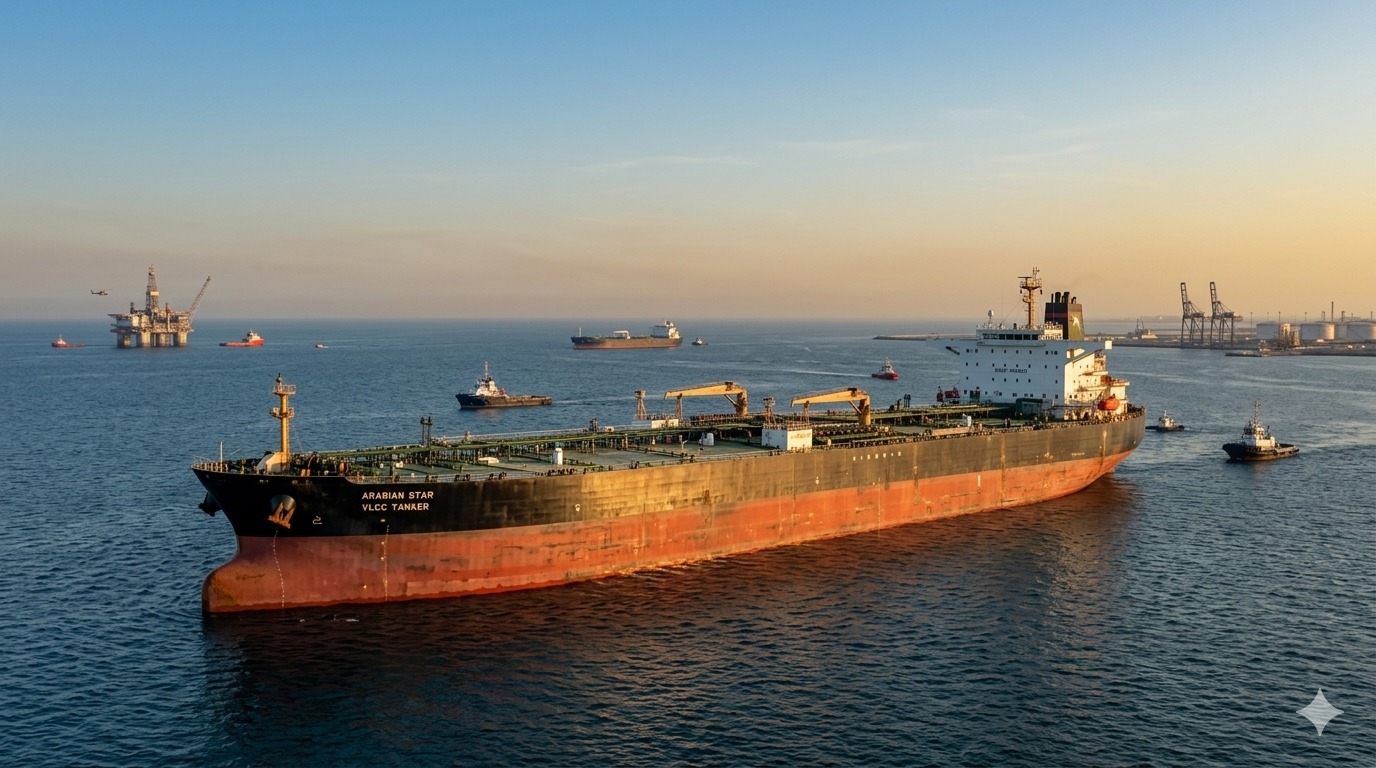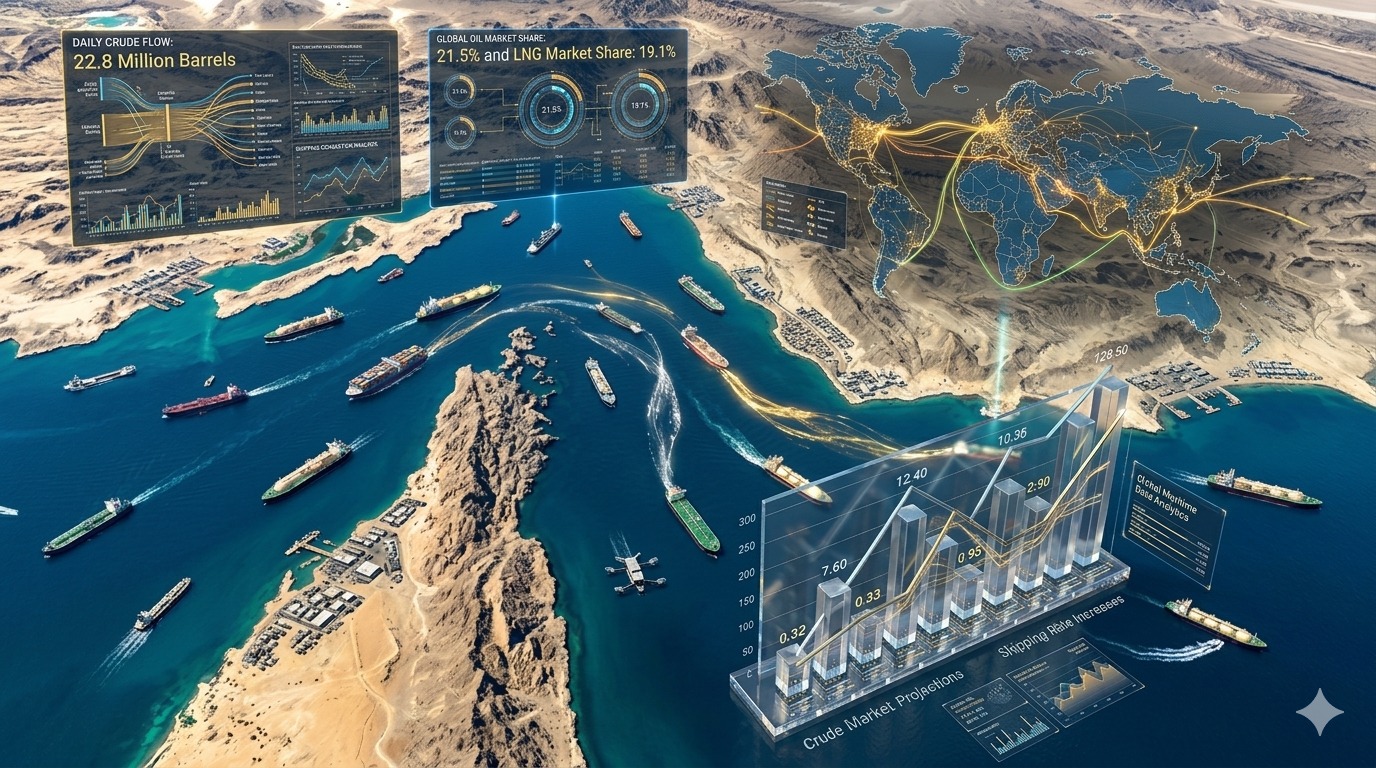
The waterway remains one of the most critical transit routes for global oil and liquefied natural gas exports, connecting major energy producers in the Gulf region to customers across Asia, Europe and North America. Any prolonged disruption would carry significant implications for energy markets, transportation costs and inflation expectations worldwide.
Governments and energy companies are increasingly evaluating contingency measures as tensions in the region raise uncertainty about future trade flows. Strategic reserves, alternative shipping routes and energy diversification initiatives have moved higher on policy and corporate agendas as stakeholders seek to reduce exposure to potential supply disruptions.
Energy analysts say the significance of the Strait extends beyond oil markets. The route also supports broader commercial activity, with shipping, logistics and industrial sectors closely tied to stable energy flows and predictable transportation networks.
The prospect of disruption has already contributed to heightened volatility in commodity markets, prompting investors to reassess risk exposure across energy, manufacturing and transportation sectors. Higher oil prices could increase operating costs for businesses while adding pressure to inflation rates in major economies.
For policymakers, the situation underscores the continuing importance of energy security in an era marked by geopolitical fragmentation and shifting global alliances. Several governments have accelerated efforts to invest in renewable energy, domestic production and infrastructure resilience as part of broader energy-transition strategies.
Economists warn that prolonged uncertainty could have consequences extending well beyond energy markets, affecting trade flows, consumer spending and business investment decisions. The resulting impact on inflation could also influence central-bank policy across advanced and emerging economies.
As markets continue to monitor developments, the Strait of Hormuz remains a focal point for investors, governments and corporate leaders seeking to understand how geopolitical risks are increasingly shaping economic outcomes in a globally interconnected system.