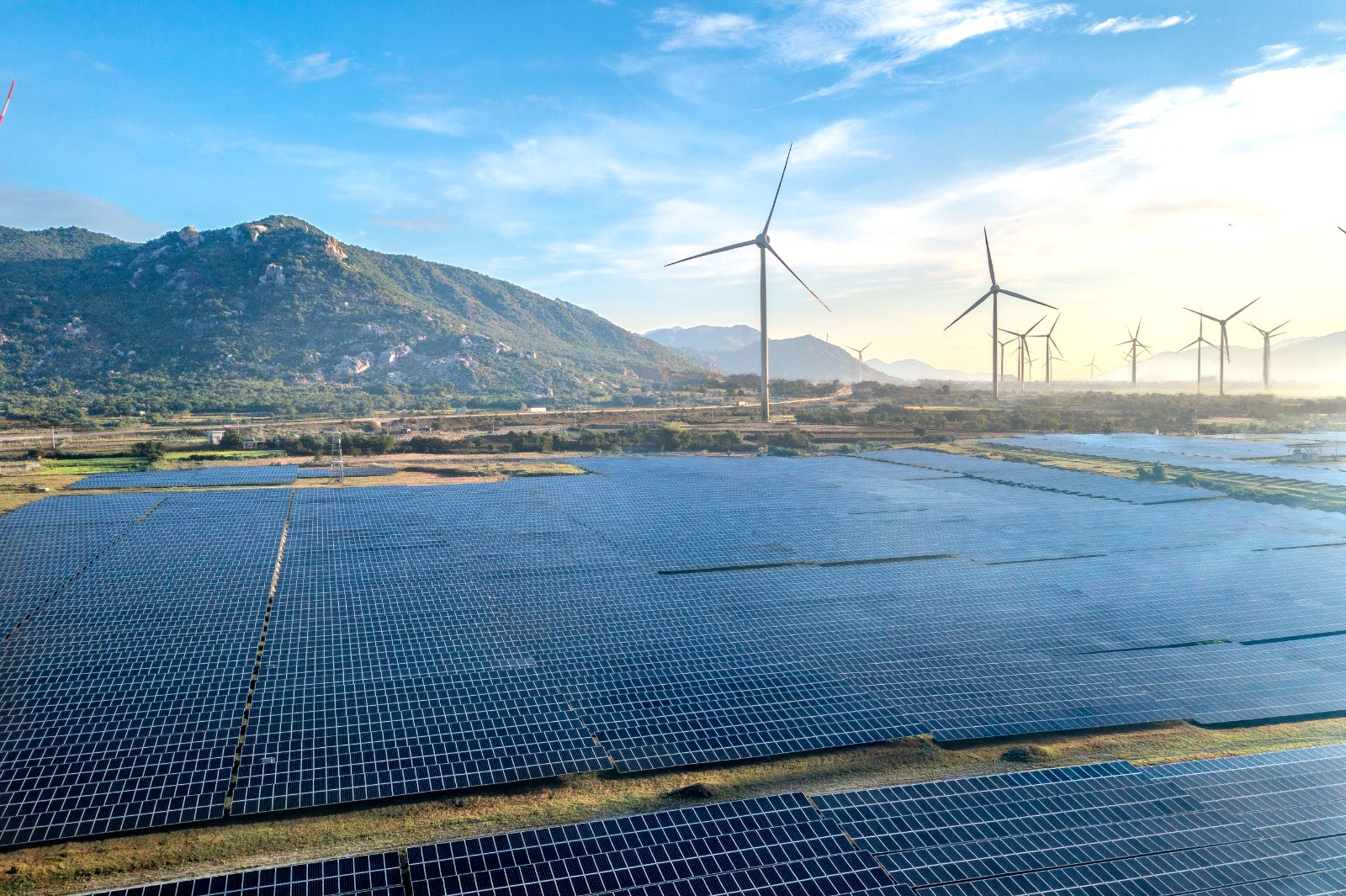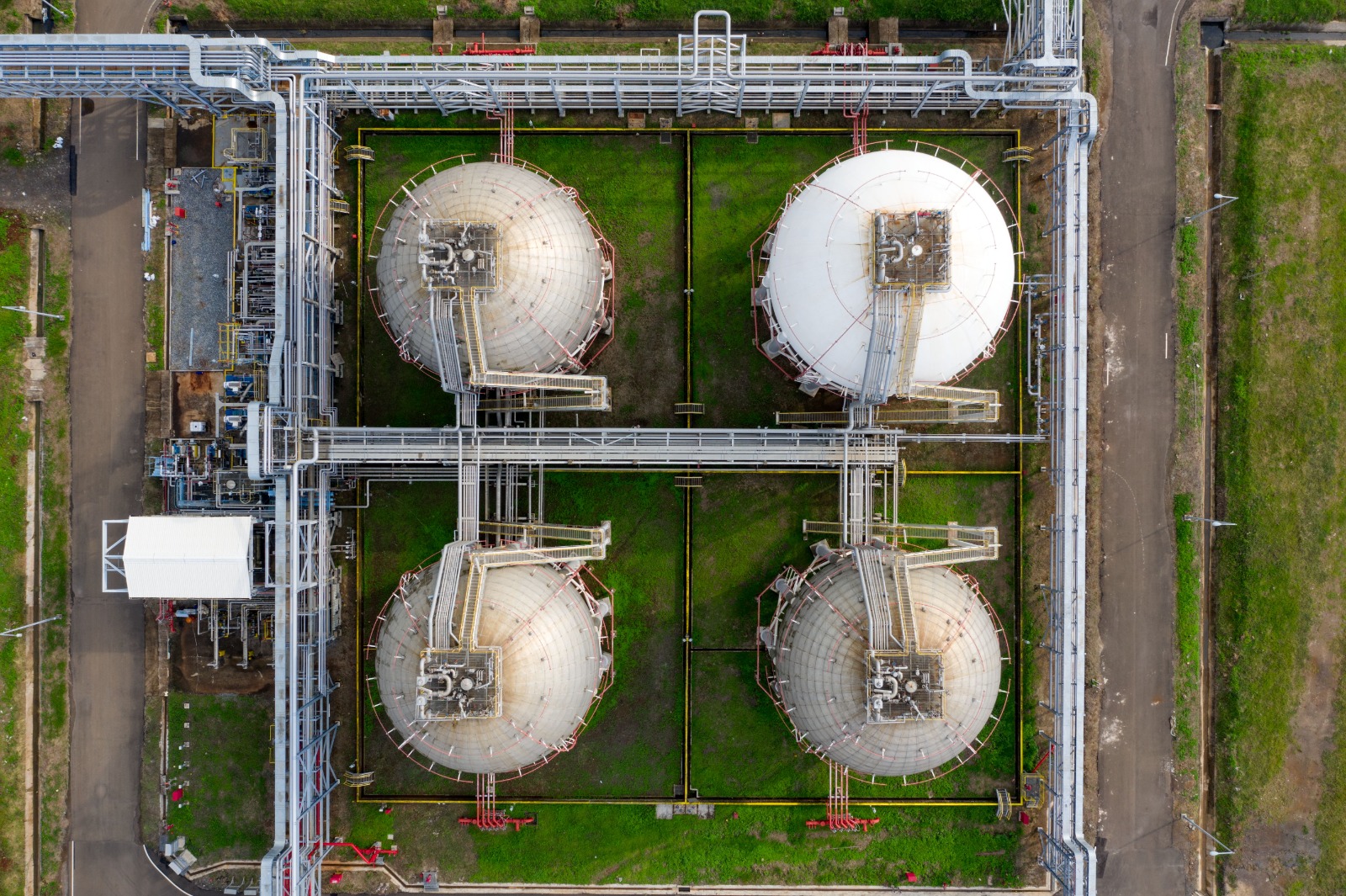

Recent fluctuations in crude prices have highlighted the vulnerability of global supply chains to geopolitical developments, reinforcing calls for greater diversification of energy sources, expanded storage capacity and modernisation of critical infrastructure.
Energy executives say the latest market movements serve as a reminder that energy security has become both an economic and national strategic priority. Companies are increasingly reviewing contingency plans, strengthening logistics networks and investing in infrastructure capable of withstanding prolonged periods of market disruption.
Governments are also placing renewed emphasis on domestic energy production, regional interconnection projects and renewable energy deployment to reduce dependence on external supply routes. Analysts note that infrastructure investment is no longer viewed solely through the lens of climate policy but increasingly as a measure of economic resilience.
Higher oil prices continue to influence transportation costs, industrial production and utility expenses, creating broader implications for inflation and business competitiveness. Sectors including manufacturing, aviation and logistics remain particularly sensitive to sustained increases in energy costs.
Financial institutions are also adjusting investment strategies, directing greater attention toward projects that improve grid reliability, energy storage and supply diversification. Infrastructure funds report continued investor interest in assets capable of delivering long-term stability despite heightened geopolitical uncertainty.
Economists argue that resilience has become a defining principle of energy policy. Future investment decisions are expected to prioritise reliability alongside affordability and sustainability as governments seek to protect economic growth from external shocks.
For businesses, the evolving landscape reinforces the need for long-term energy planning and operational flexibility. As geopolitical developments continue influencing commodity markets, infrastructure resilience is increasingly viewed as a competitive advantage rather than simply a regulatory requirement.