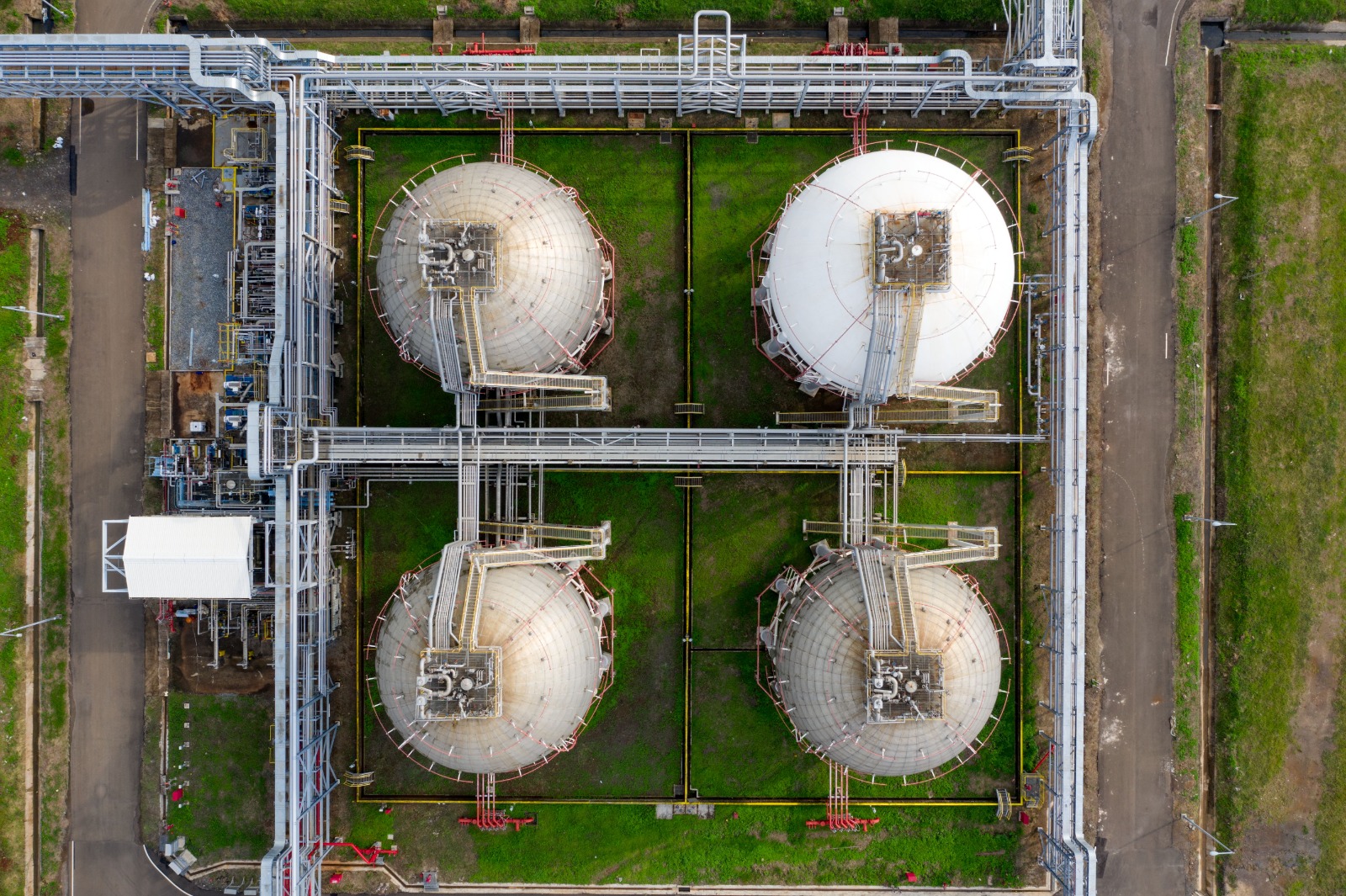
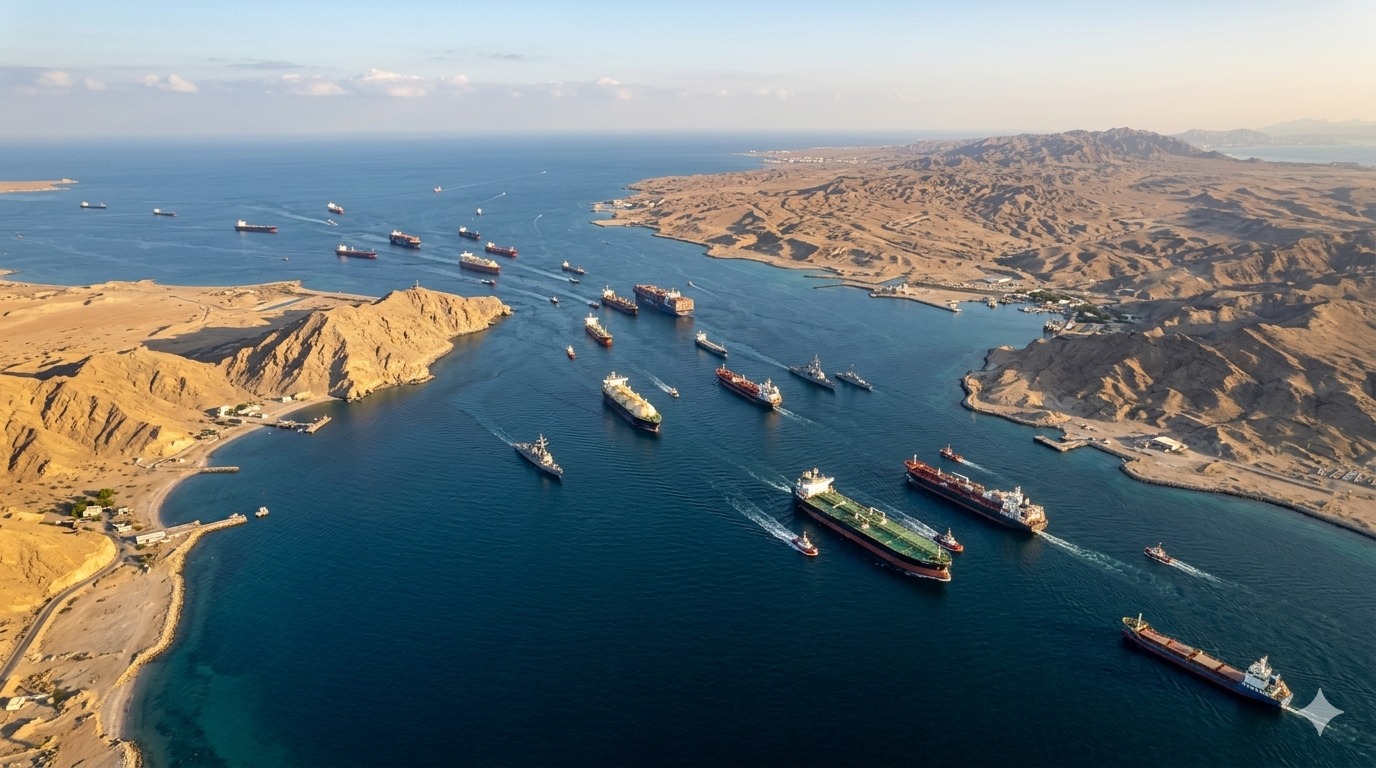
While global energy markets have avoided major disruption, businesses are increasingly evaluating contingency strategies in response to uncertainty surrounding one of the world's most strategically important shipping corridors. The waterway remains a critical route for global oil and liquefied natural gas exports, making it central to international energy security.
Executives across manufacturing, transportation, utilities and logistics sectors are reassessing operational exposure to energy-market volatility. Companies are reviewing fuel procurement arrangements, inventory management systems and long-term investment plans to strengthen resilience against potential disruptions.
Governments are also revisiting infrastructure priorities. Several countries are accelerating discussions around strategic reserves, energy diversification and investment in alternative supply routes aimed at reducing dependence on vulnerable transit corridors.
Industry analysts say the current environment highlights a broader structural shift in how energy security is viewed. Once considered primarily a government responsibility, it is increasingly becoming a boardroom issue influencing corporate strategy, risk management and capital allocation.
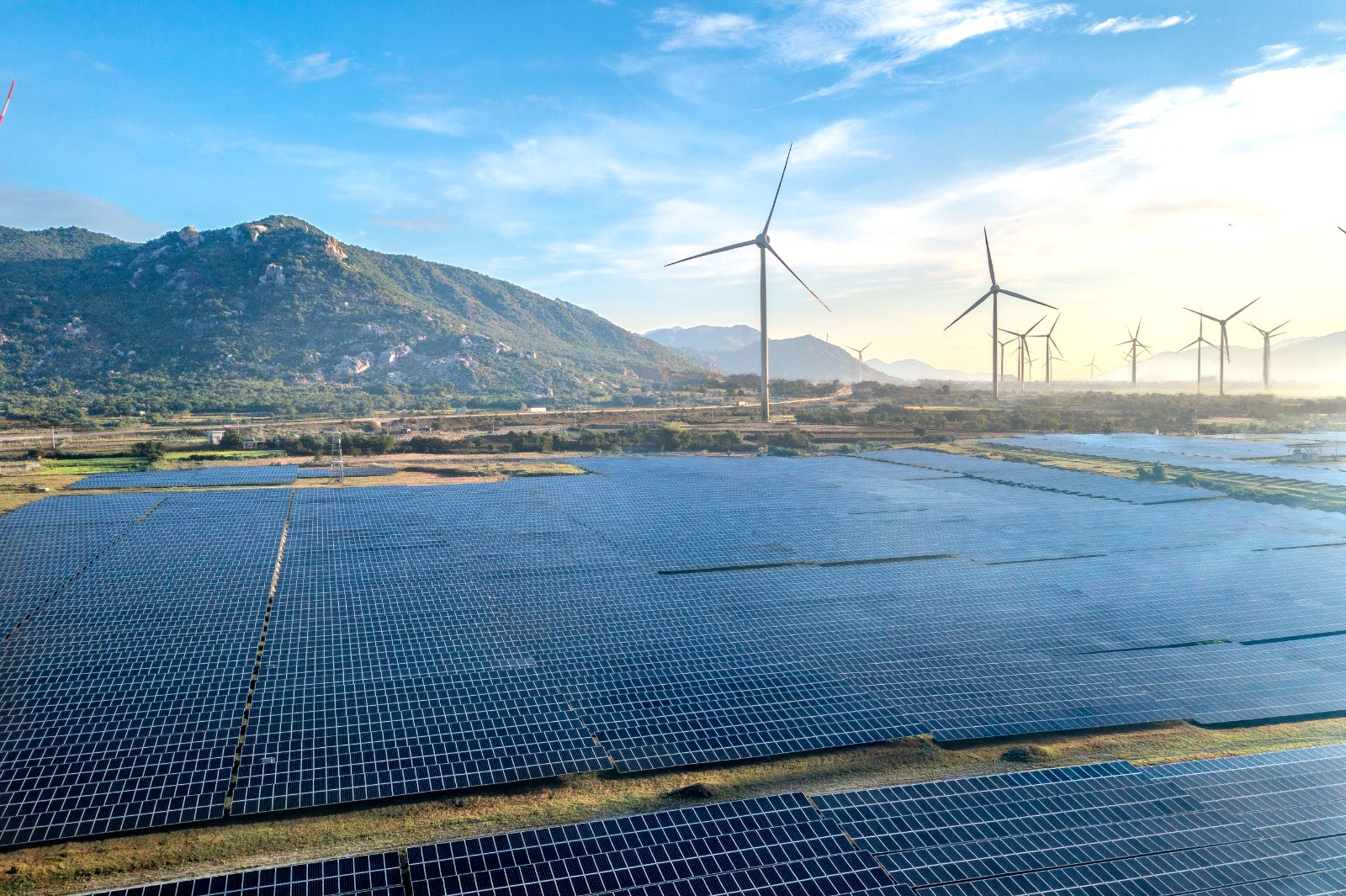
The renewed focus extends beyond fossil fuels. Businesses are expanding investment in renewable energy, battery storage and decentralised power systems as part of broader efforts to improve operational stability and reduce exposure to geopolitical risk.
Economists note that energy security has become closely linked to economic competitiveness. Stable and affordable energy supplies influence manufacturing costs, industrial output and investment attractiveness across global markets.
Financial institutions are also paying closer attention to energy-related risks as they assess infrastructure financing, corporate credit exposure and long-term investment opportunities.
For executives and policymakers alike, the message is increasingly clear: energy security is no longer solely an energy-sector concern. It has become a strategic economic issue capable of influencing growth, trade competitiveness and long-term business resilience.
The developments underscore how geopolitical events continue reshaping decisions far beyond the regions in which they originate.