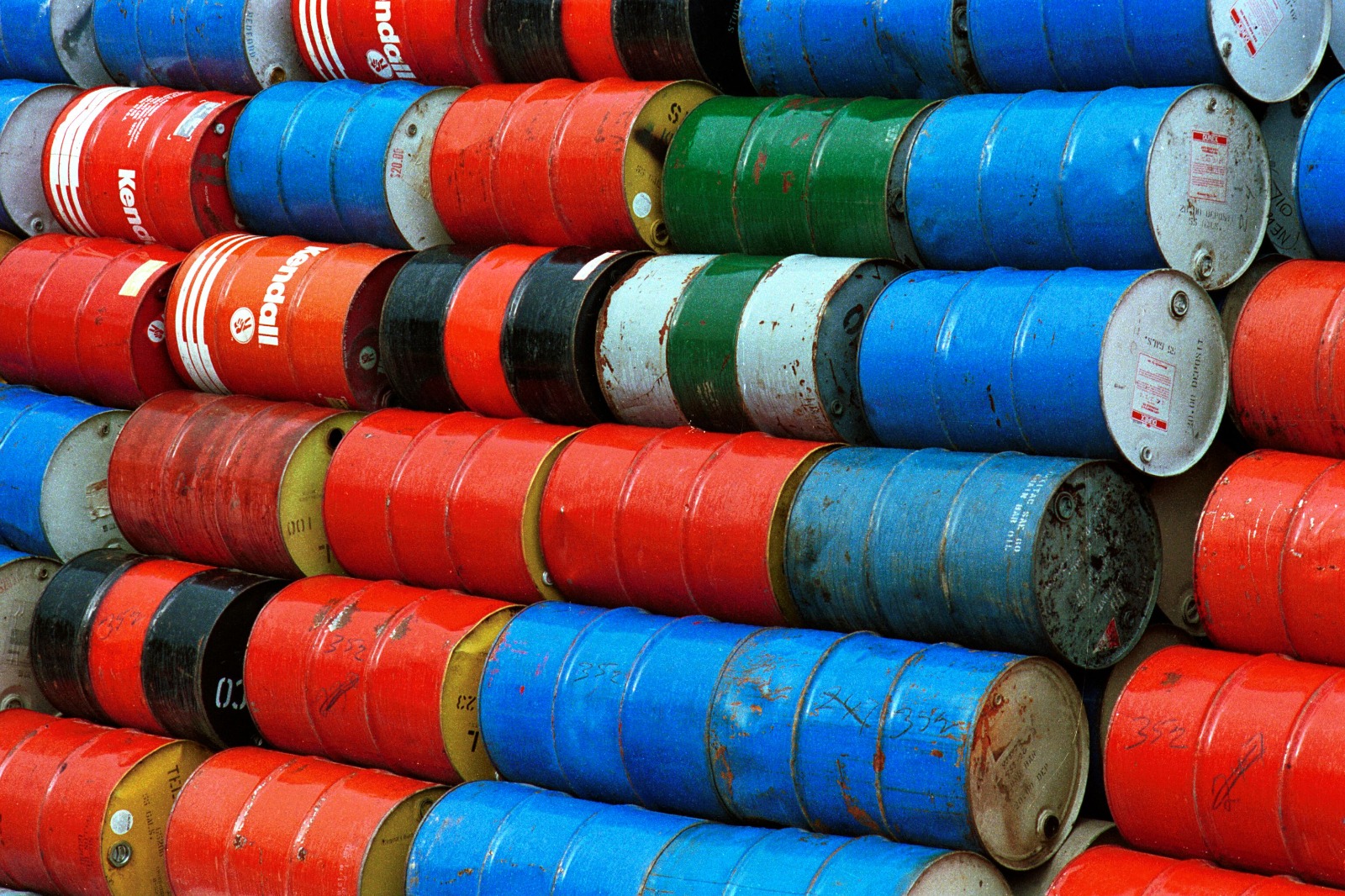
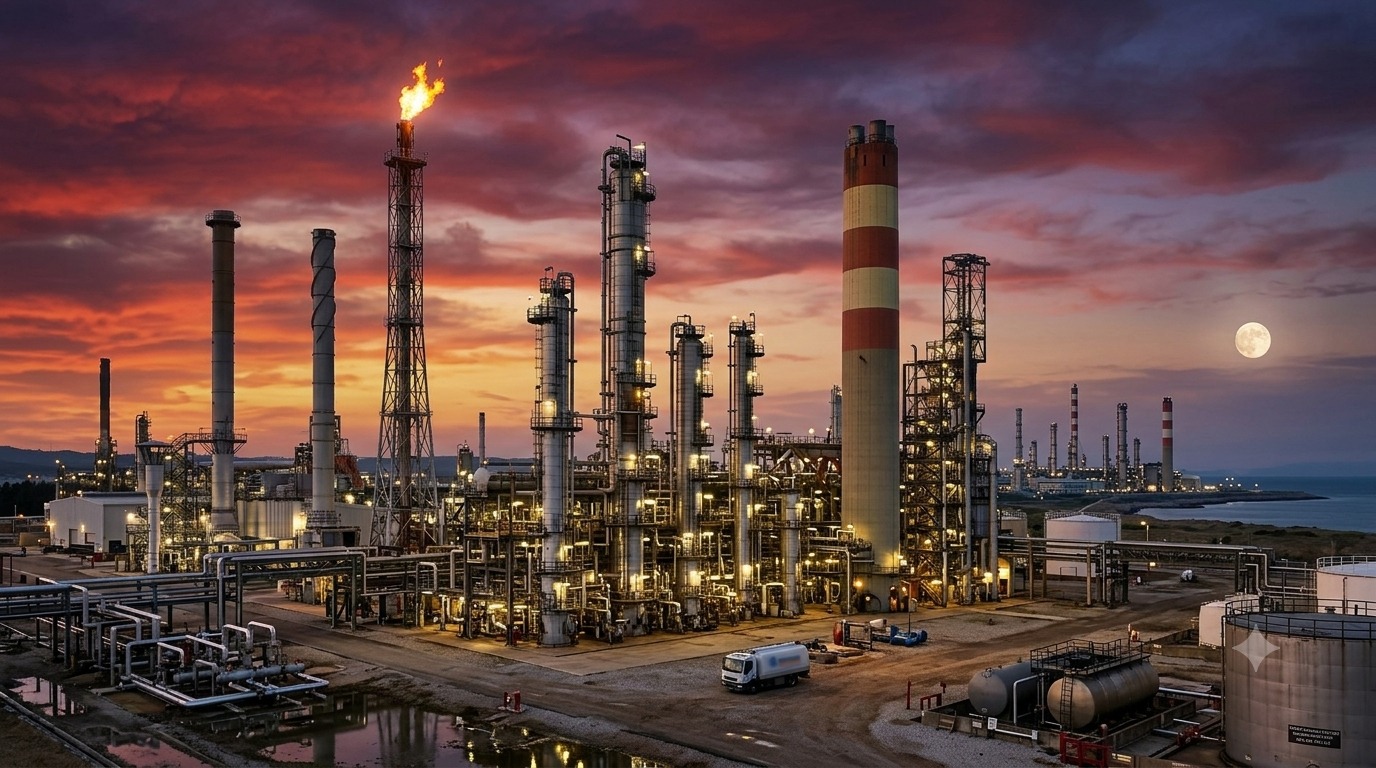
Brent crude has retreated significantly from recent highs as tensions in the Middle East eased following a fragile ceasefire, reducing immediate concerns over disruptions through the Strait of Hormuz, one of the world's most strategically important energy corridors. The moderation in prices is beginning to improve cost expectations for transport operators, manufacturers and infrastructure developers whose investment decisions are heavily influenced by fuel and energy expenses.
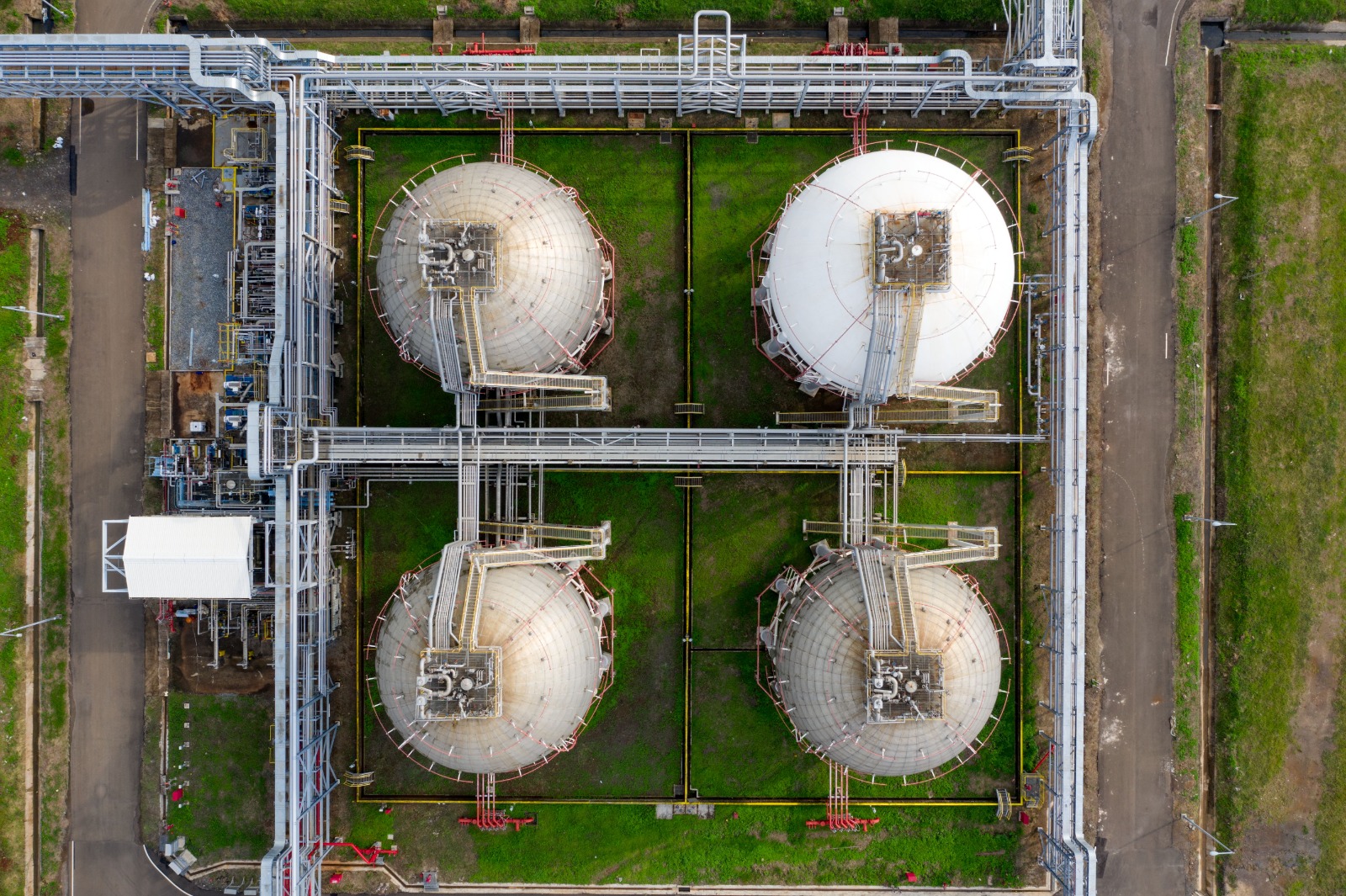
For infrastructure projects, lower energy costs may ease pressure on construction materials, logistics and project financing. Large-scale developments in transport, power generation and industrial manufacturing typically remain highly sensitive to fluctuations in oil prices because of their effect on freight, equipment operation and input costs.
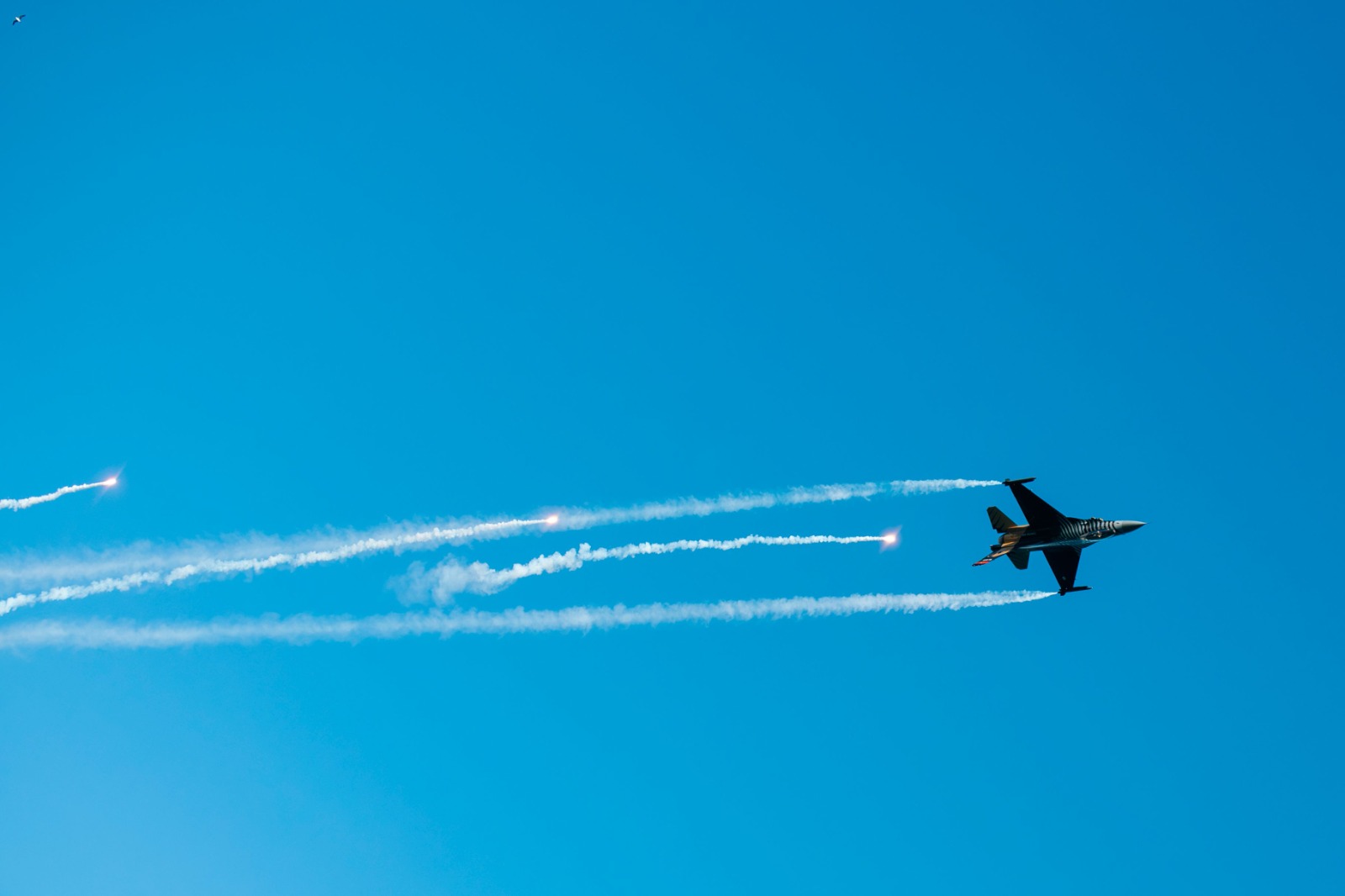
Businesses across aviation, shipping and manufacturing are also expected to benefit from improved operating margins should energy markets remain relatively stable. Analysts caution, however, that geopolitical risks have not disappeared, and renewed instability could quickly reverse recent gains.
Investors are increasingly viewing energy price stability as a key factor supporting broader economic resilience during the second half of the year. Lower fuel costs could help moderate inflation, reduce pressure on central banks and improve corporate earnings across several sectors.
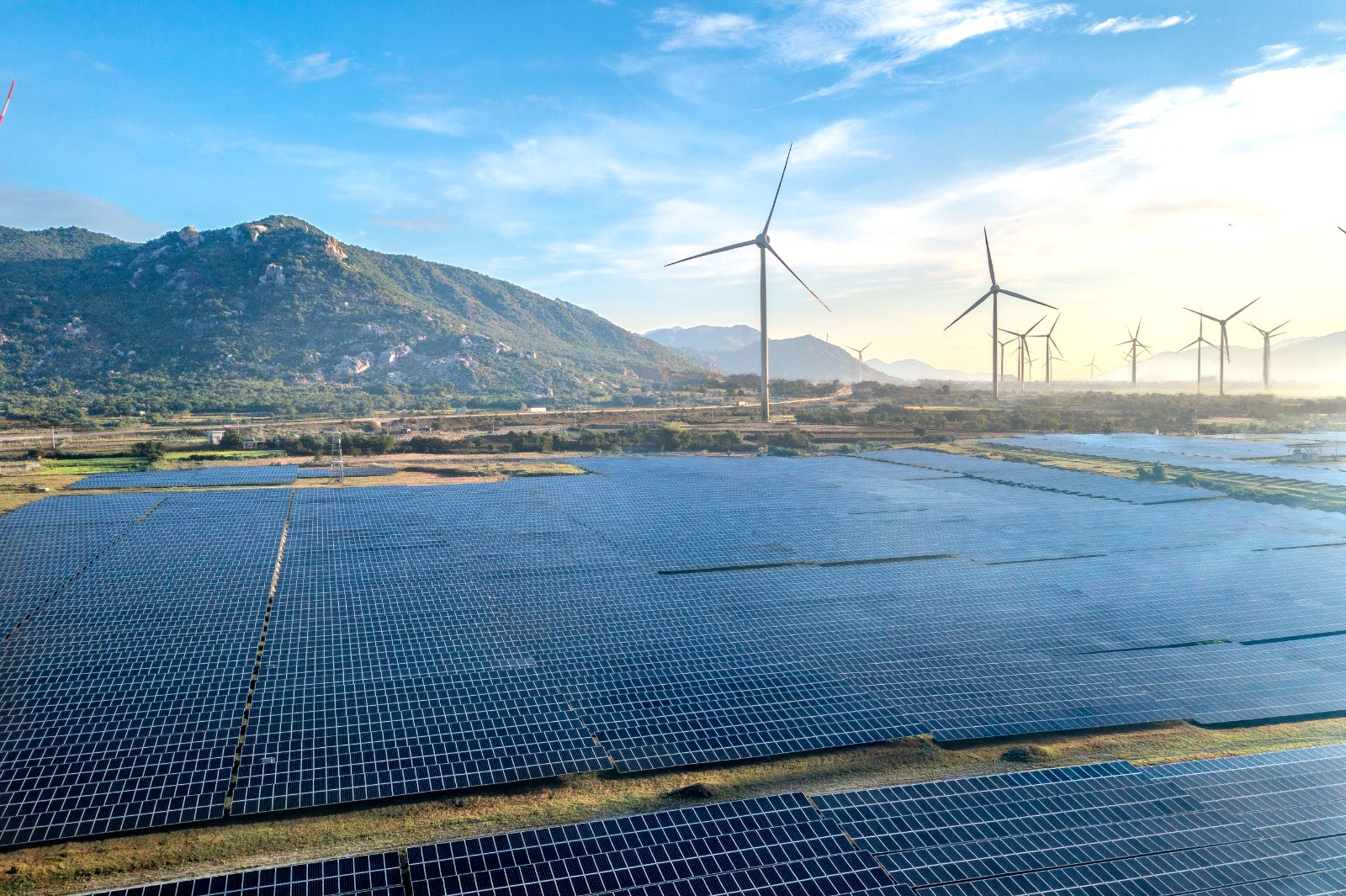
Governments are meanwhile using the period of relative stability to accelerate discussions around long-term energy security, renewable infrastructure and supply diversification, recognising that recent disruptions exposed vulnerabilities in global energy systems.
For executives, the current environment presents an opportunity to reassess capital expenditure plans that were delayed during the period of heightened volatility. Companies with major infrastructure pipelines may find improved financing conditions if energy prices remain contained.
The broader challenge for policymakers remains balancing short-term energy affordability with long-term investment in resilient infrastructure capable of withstanding future geopolitical and market shocks.