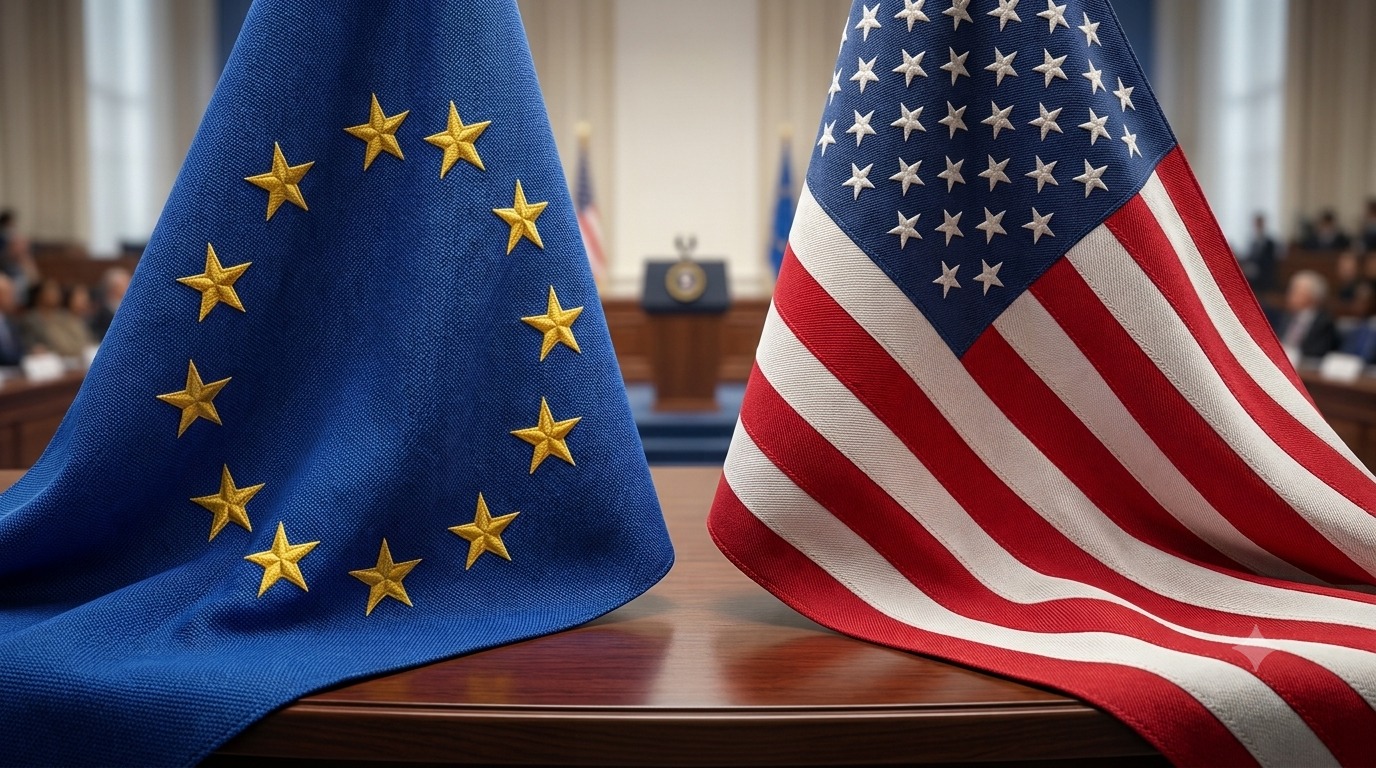
The renewed engagement reflects growing recognition that geopolitical developments, supply-chain disruption and industrial competition require closer policy alignment between major advanced economies. Officials continue discussing trade facilitation, investment security, technology cooperation and regulatory coordination as part of broader efforts to preserve economic stability.
Businesses have welcomed greater policy dialogue after several years of uncertainty surrounding tariffs, industrial subsidies and strategic trade restrictions. Multinational corporations operating across Europe and North America have repeatedly called for more predictable regulatory frameworks capable of supporting long-term investment decisions.
Trade experts note that stronger policy coordination could improve confidence across manufacturing, technology, financial services and infrastructure sectors by reducing uncertainty surrounding market access and cross-border investment.
At the same time, governments remain focused on strengthening domestic industrial capacity, protecting strategic technologies and improving supply-chain resilience. These priorities increasingly influence trade policy alongside traditional objectives such as market liberalisation and export growth.
Financial markets have generally responded positively to signs of closer international cooperation, viewing coordinated policymaking as supportive of business confidence during a period marked by geopolitical uncertainty and slower global growth.
Economists caution, however, that meaningful progress will depend on implementation rather than political commitments alone. Differences remain over industrial policy, digital regulation and strategic competition, requiring continued negotiation between governments and private-sector stakeholders.
For executives, the evolving policy landscape reinforces the importance of regulatory intelligence and geopolitical awareness in shaping investment strategy. Companies operating internationally are increasingly integrating government policy developments into corporate planning as political decisions continue exerting greater influence over capital allocation, supply chains and long-term competitiveness.
As the global economy enters the second half of 2026, policymakers face a common objective: strengthening economic resilience while maintaining an open and competitive international trading system capable of supporting sustainable growth.