
The renewed focus follows disruptions and uncertainty linked to developments in the Middle East, prompting policymakers to reassess preparedness for future energy shocks. Several countries have announced reviews of reserve capacity, emergency response frameworks and critical energy infrastructure requirements.
Energy security has emerged as a central economic priority as governments seek to reduce vulnerability to geopolitical disruptions capable of triggering inflationary pressures and slowing economic activity. Strategic reserves, once viewed primarily as emergency buffers, are increasingly being integrated into broader economic resilience strategies.
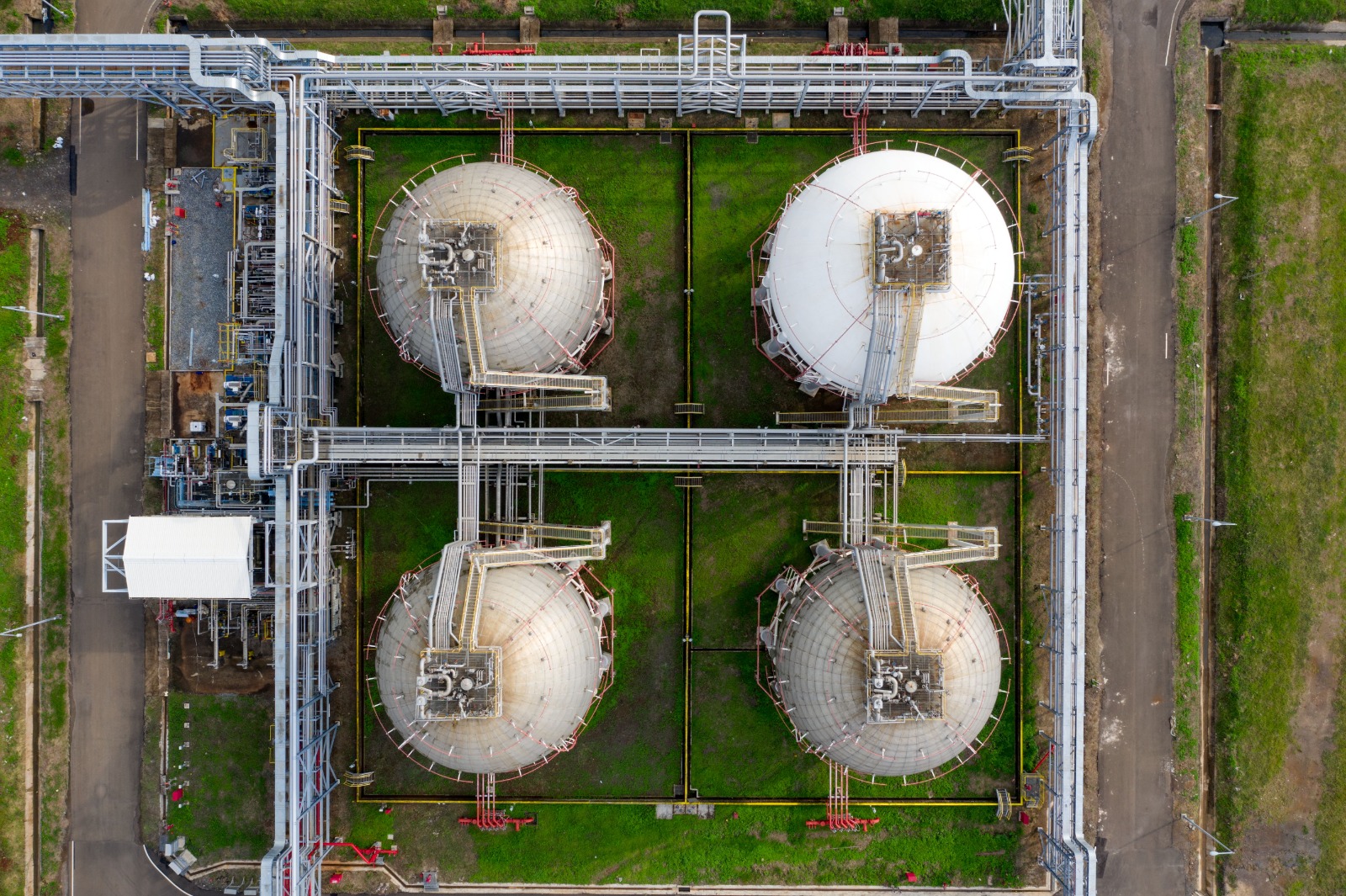
The shift is expected to drive significant investment across storage facilities, transportation networks, port infrastructure and energy logistics systems. Industry participants anticipate growing public and private-sector spending aimed at strengthening the reliability of fuel supply chains.
Analysts say the trend reflects a broader transformation in global energy policy. Rather than focusing exclusively on market efficiency, governments are placing greater emphasis on redundancy, flexibility and supply security.
The implications extend beyond oil markets. Infrastructure investment linked to energy resilience could generate opportunities across engineering, construction, logistics and technology sectors. Companies involved in storage systems, monitoring technologies and energy transport networks may benefit from increased spending commitments.
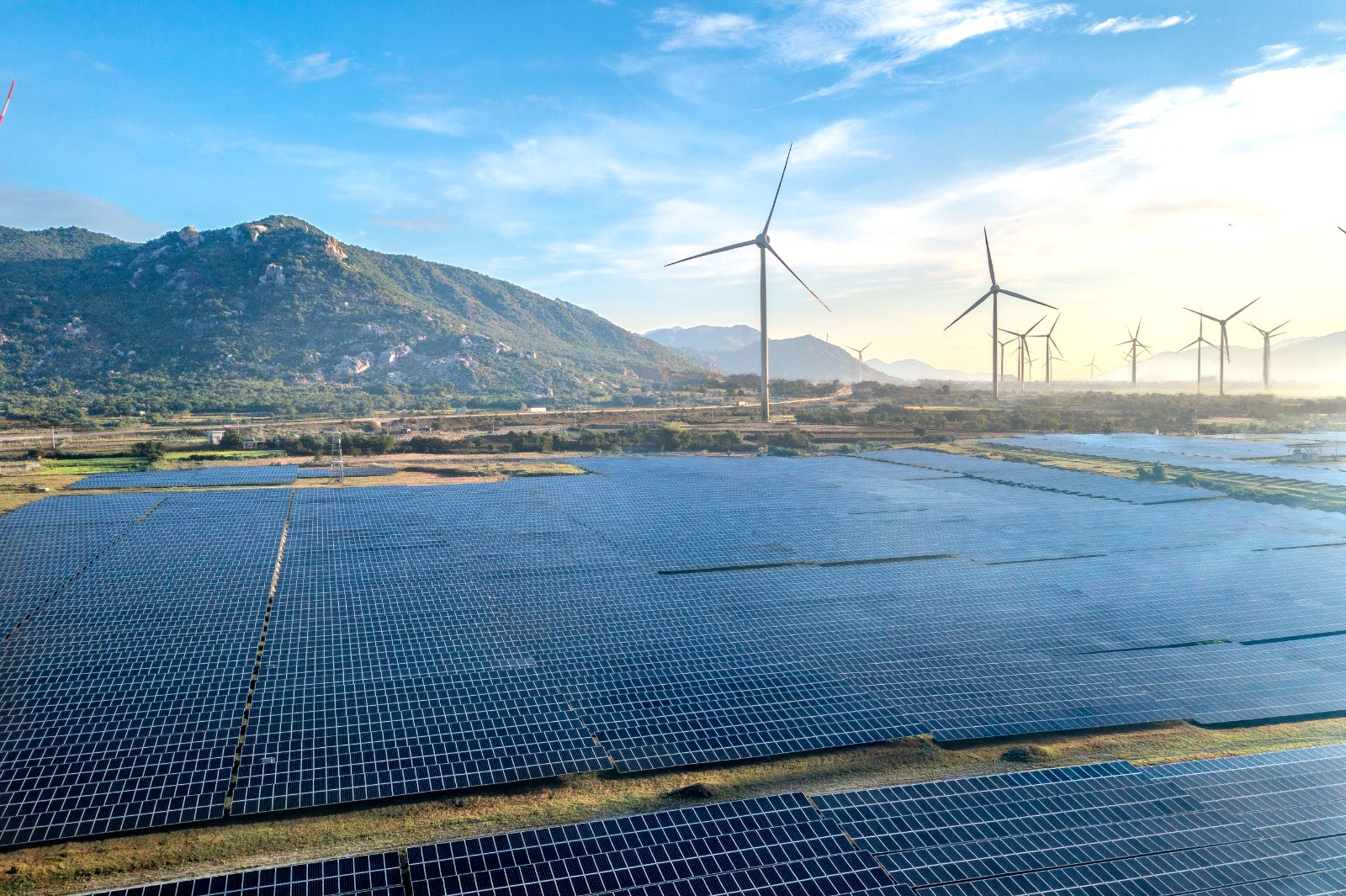
At the same time, policymakers face questions regarding the balance between traditional energy security measures and long-term decarbonisation goals. Some governments are seeking to integrate reserve expansion with investments in renewable energy and grid modernisation.
Economists argue that energy infrastructure is becoming increasingly strategic in an era characterised by geopolitical competition and fragmented trade relationships. Countries capable of maintaining reliable energy access may enjoy stronger economic resilience during future periods of volatility.
For businesses and investors, the emerging landscape signals a growing role for infrastructure as a strategic asset. Energy resilience is no longer viewed solely as a defensive measure but as a critical foundation for economic stability, industrial competitiveness and long-term growth.