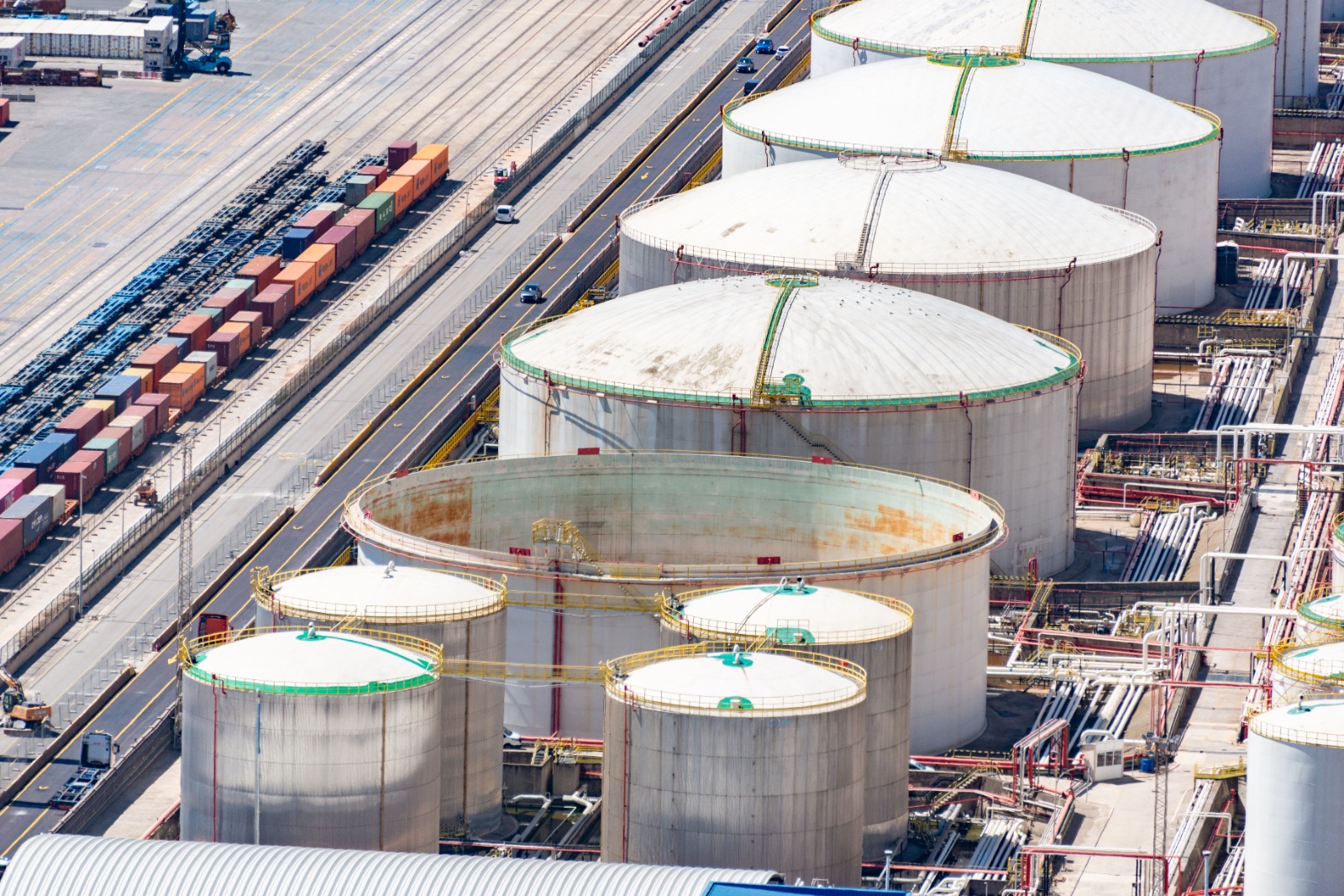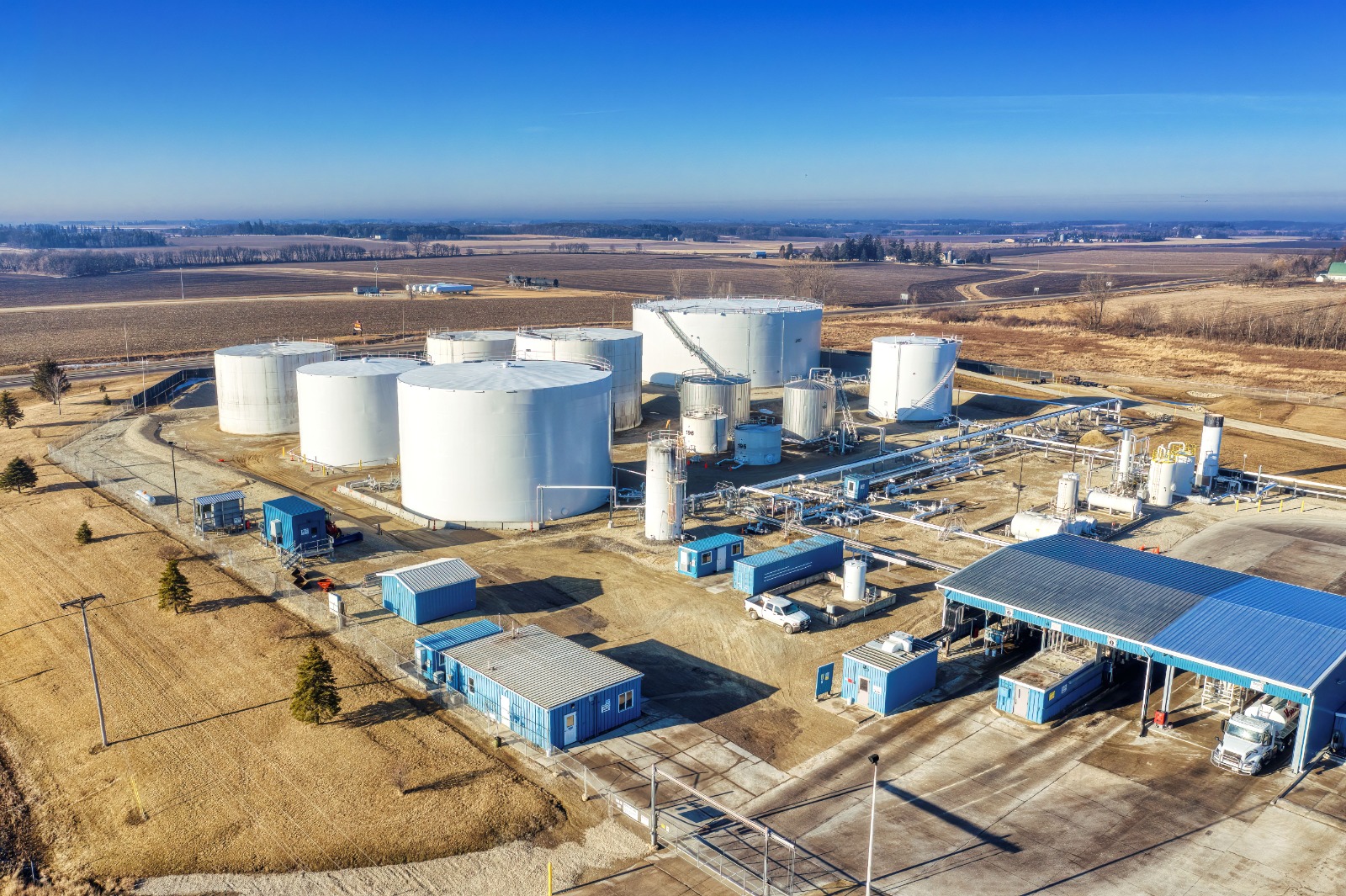
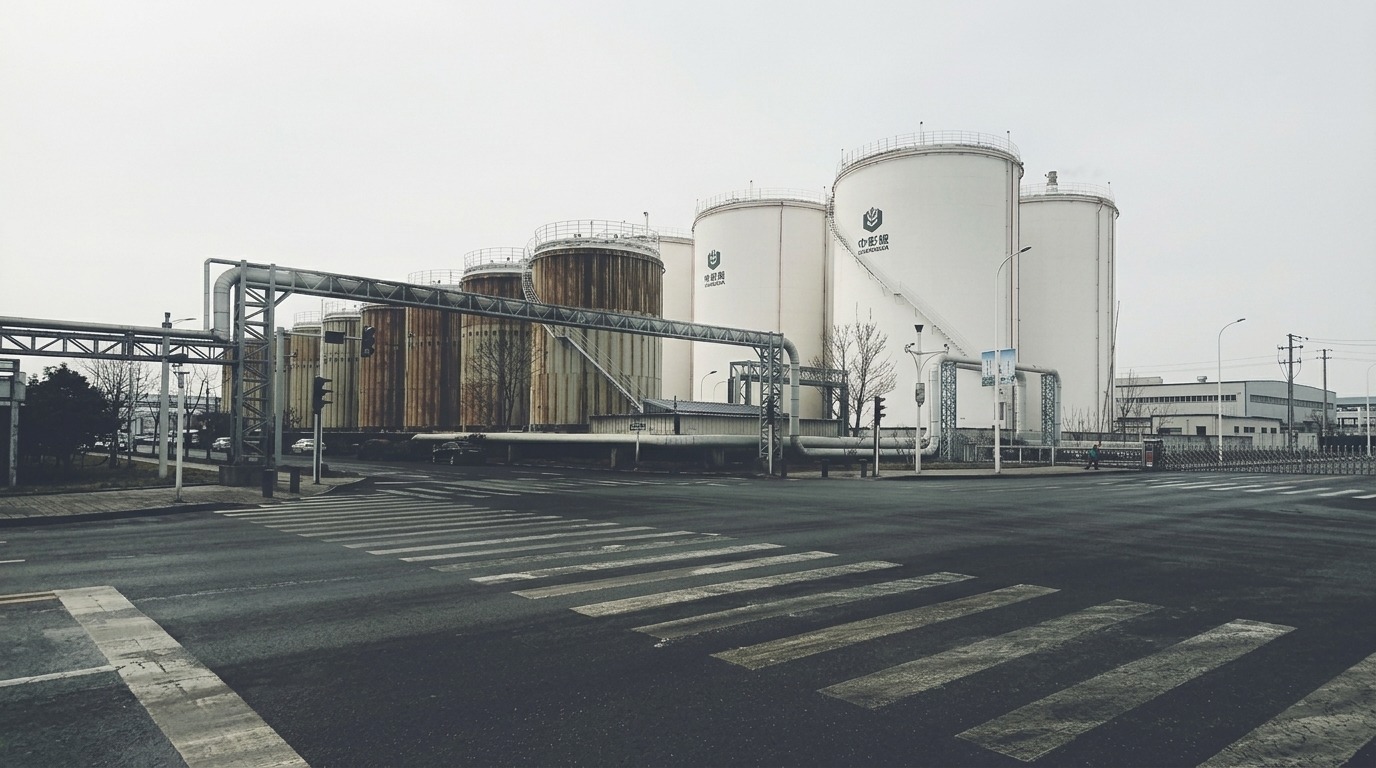
Brent crude climbed to around $97 a barrel on Monday, having risen almost 8% last week and roughly 35% since late February. Diesel prices have also reached record levels, increasing the cost pressures facing transport, shipping, agriculture and manufacturing businesses.
The energy shock is creating a difficult environment for central banks. Higher fuel and food costs threaten to slow the progress made on inflation while simultaneously weakening household purchasing power and corporate margins. Policymakers therefore face the risk of having to maintain or increase borrowing costs even as economic activity comes under pressure.
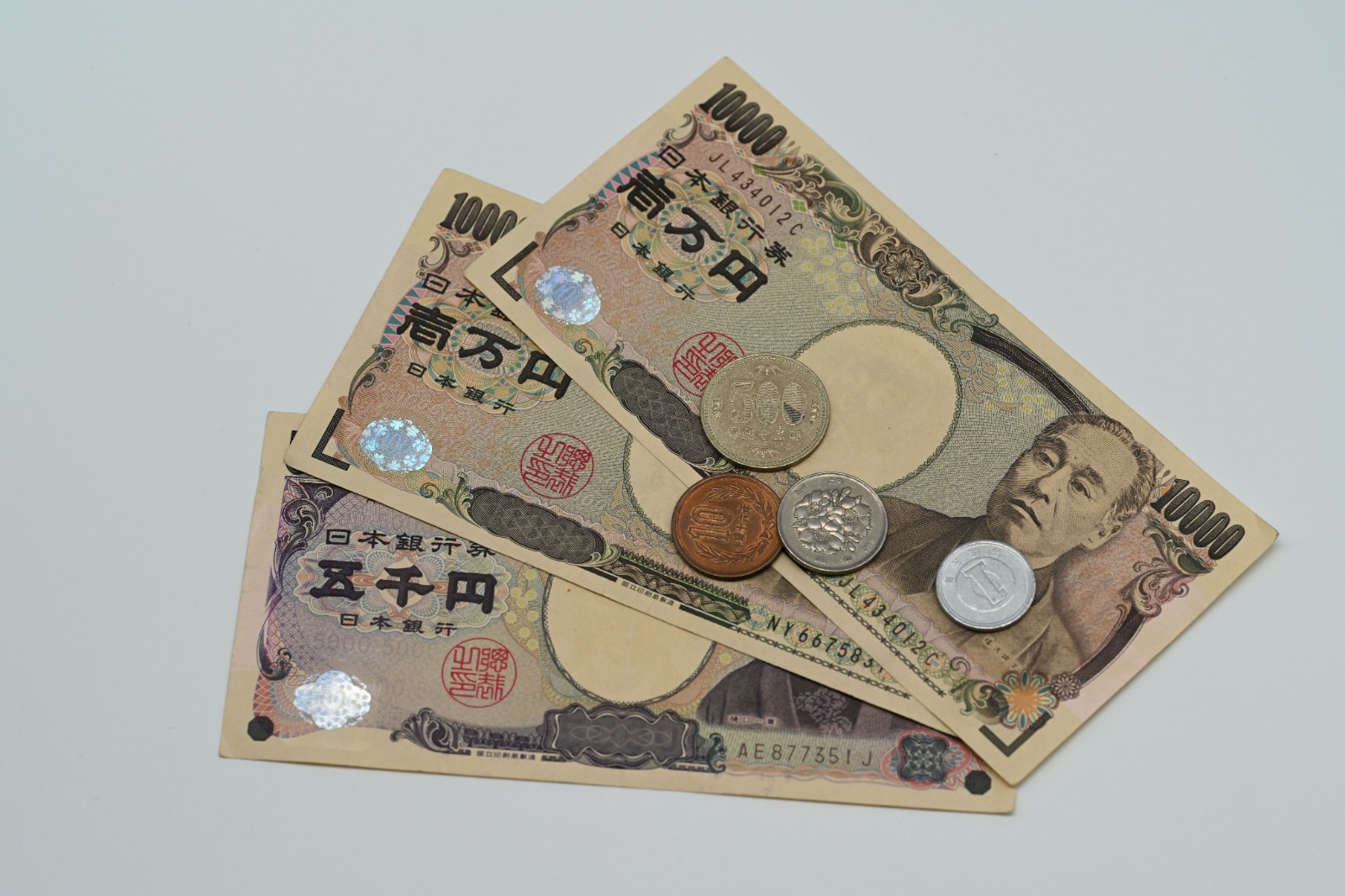
Markets are already adjusting. The European Central Bank is widely expected to raise rates on Thursday, while expectations for further tightening have strengthened. In Japan, traders are also pricing a high probability of another Bank of Japan increase later this month. In the United States, stronger-than-expected employment data has increased the probability of a Federal Reserve rate hike in September.
The implications extend beyond developed-market equities. Higher global yields can increase financing costs for emerging-market governments and companies, particularly those with dollar-denominated debt. Energy-importing economies may also face wider current-account pressures as the cost of crude and refined products rises.
For companies, the combination of higher energy prices and tighter monetary conditions presents a dual challenge. Businesses must absorb increased operating expenses while facing more expensive credit and potentially weaker consumer demand. Industries with high fuel, logistics, or electricity exposure are particularly vulnerable.
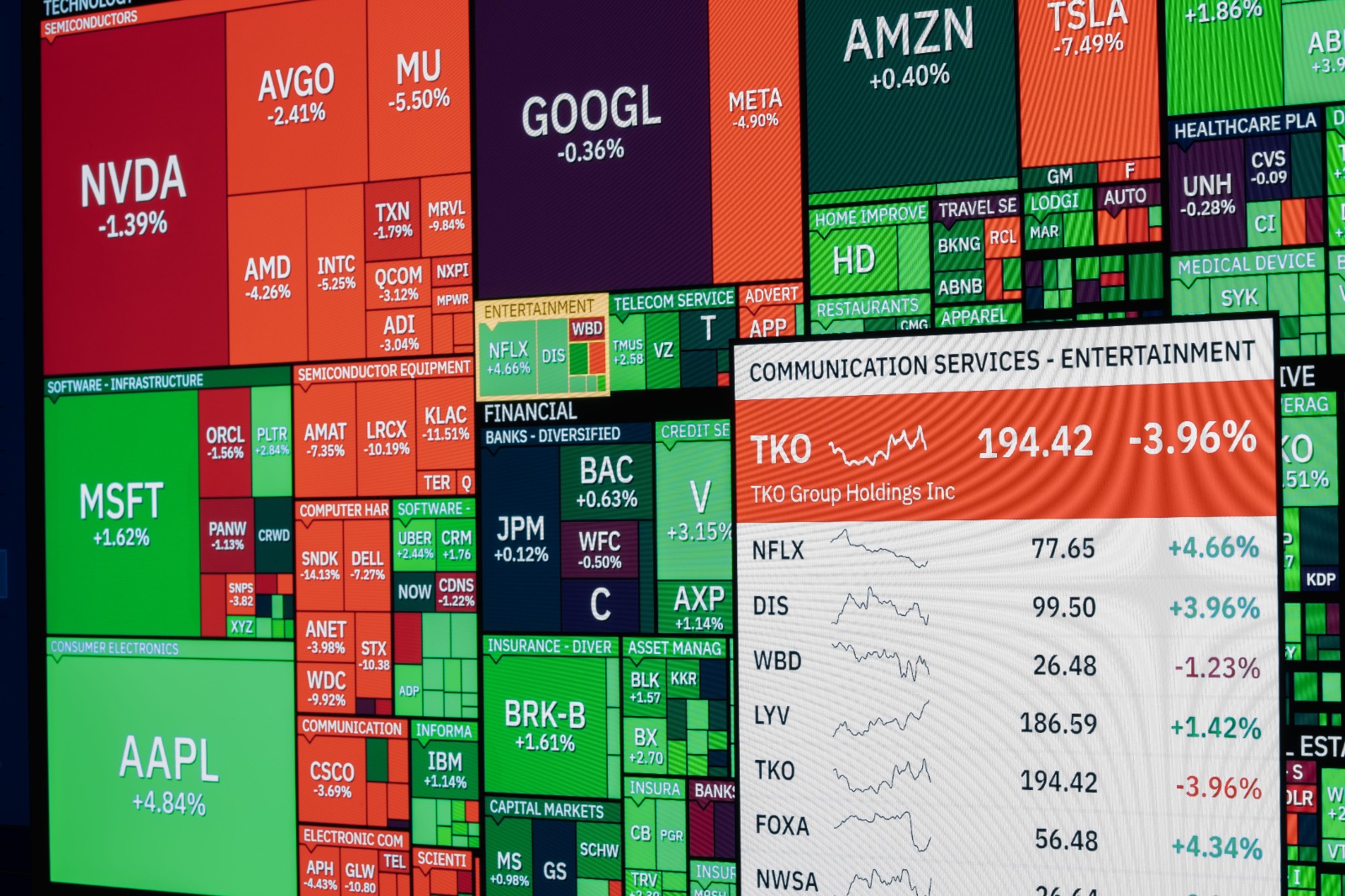
Institutional investors are consequently reassessing portfolio allocations, with greater attention on sectors capable of protecting margins in an inflationary environment. Energy producers may benefit from higher prices, while rate-sensitive industries such as property, construction and highly leveraged technology businesses could face greater pressure.
The key issue is whether the current energy shock remains temporary or becomes embedded in broader inflation expectations. European officials have so far seen limited evidence of widespread second-round effects in wages and services, but prolonged energy disruption could change that assessment.