The latest US employment report has intensified that pressure. Stronger-than-expected job creation in August pushed Treasury yields and the dollar higher, while equity markets weakened as investors reassessed expectations for Federal Reserve easing.
At the same time, the escalation of the US-Iran conflict has lifted oil prices and increased concerns about the persistence of inflation. Reuters reported that global bond markets had already experienced a broad sell-off earlier in the week as higher energy prices and inflation concerns pushed borrowing costs higher.
The interaction between these forces matters more than any single market movement. Higher oil prices threaten to raise inflation. Higher inflation can delay interest-rate cuts. Delayed cuts can keep bond yields elevated. Higher yields then increase the discount rate applied to equities and other risk assets.
This creates a narrower margin for policymakers and investors alike.
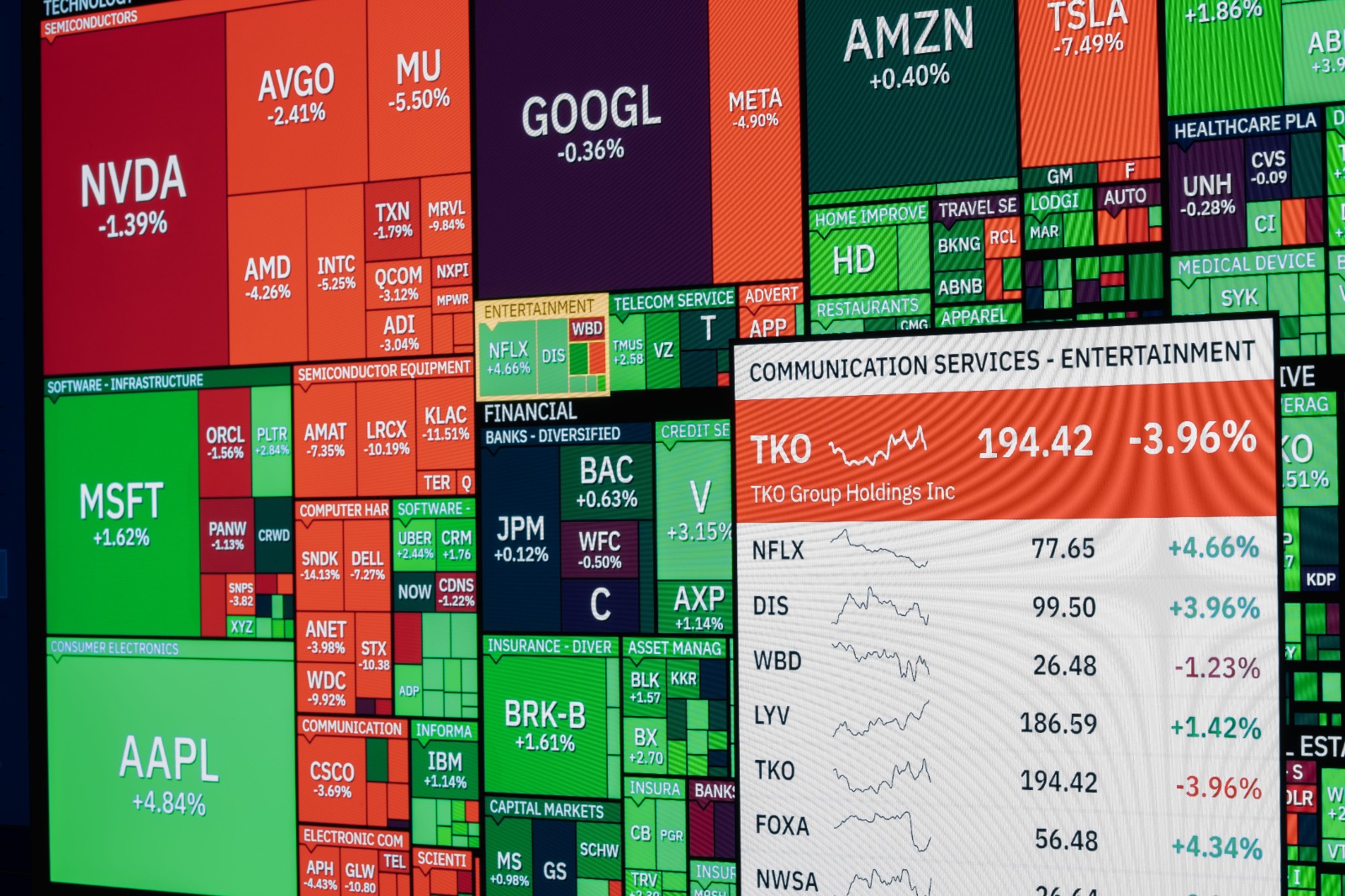
Equity markets began September under pressure, with US stocks falling as the bond sell-off deepened and crude prices increased. The S&P 500, Dow Jones and Nasdaq all declined on September 1 as investors confronted the combined effect of geopolitical risk and higher borrowing costs.
For investors, the challenge is that the traditional defensive response is less straightforward. Government bonds are less attractive when yields are rising because existing bond prices fall, while equities face valuation pressure. Gold can provide protection against geopolitical instability, but it too can come under pressure when real yields and the dollar rise.
The result is an environment in which portfolio construction becomes increasingly dependent on the interaction between inflation, interest rates and geopolitical developments.
September could therefore become a test of whether markets can absorb multiple shocks without a deeper repricing of risk.
The critical variable will be whether the energy shock proves temporary. If oil stabilises and inflation expectations remain contained, markets may regain confidence. If geopolitical disruption persists, however, investors may have to operate in an environment where monetary support remains limited and traditional safe-haven assets offer less protection than usual.