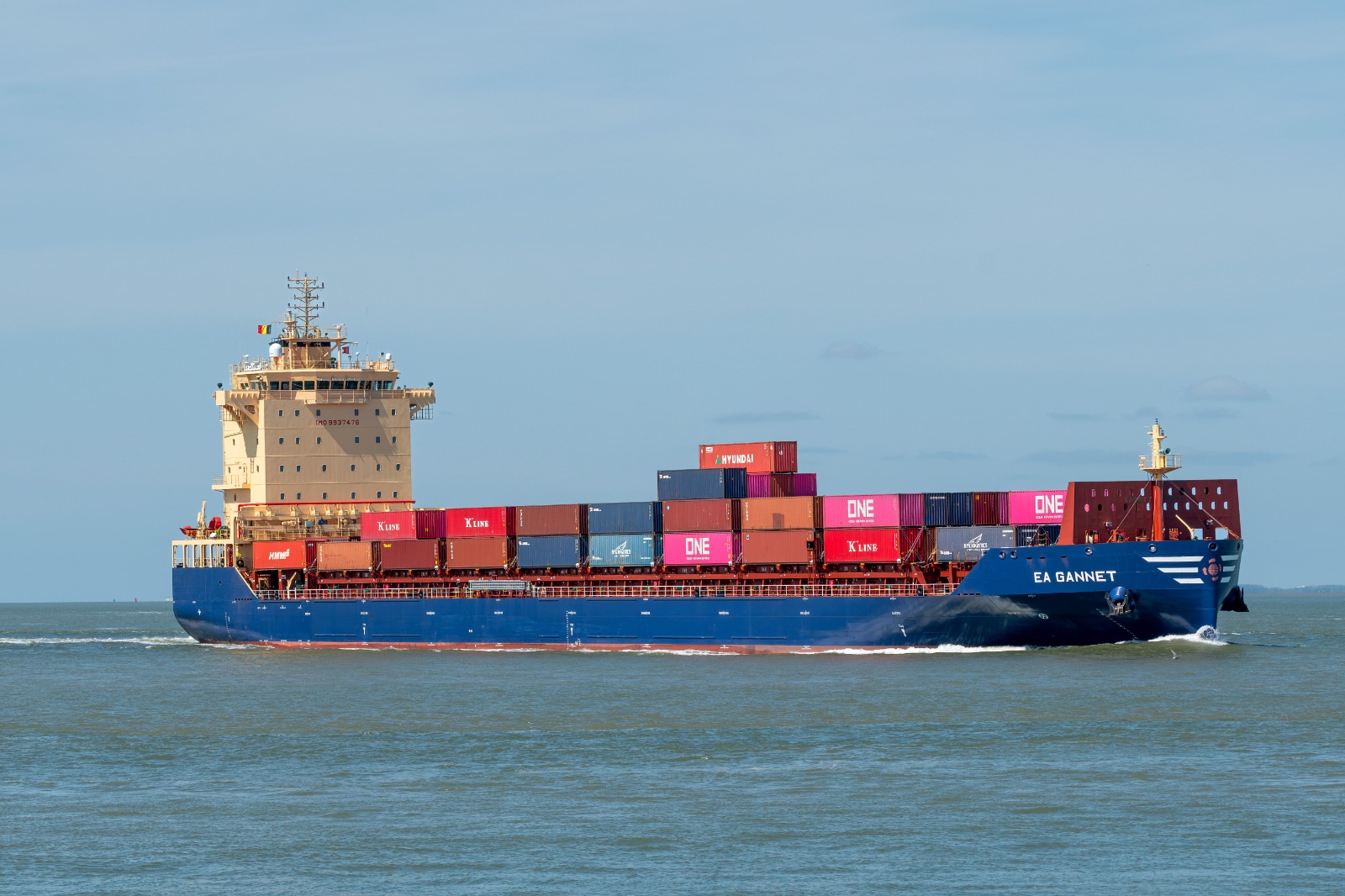
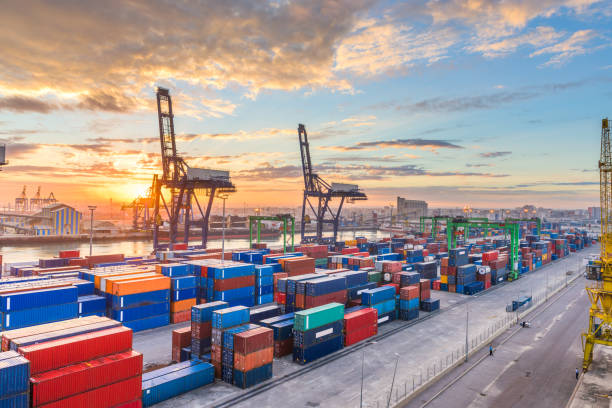
The African Continental Free Trade Area (AfCFTA) has created the world's largest free trade area by number of participating countries. Yet reducing tariffs alone will not transform intra-African commerce if manufacturers continue to face congested ports, fragmented transport networks, lengthy border procedures and limited industrial capacity.
According to the World Bank, full implementation of the AfCFTA, alongside improvements in trade facilitation, could increase Africa's income by around 7% by 2035, while significantly expanding intra-African exports, particularly in manufactured goods. However, the Bank also concludes that much of these gains depend on reducing logistics costs and improving transport efficiency rather than tariff reductions alone.
Recent investment trends suggest governments increasingly recognise this reality. From Nigeria's Lekki Deep Sea Port and Morocco's Tanger Med complex to Kenya's Lamu Port, Egypt's expanding logistics corridors and the rehabilitation of strategic rail and road networks across Southern and East Africa, infrastructure has become central to economic competitiveness rather than simply public works.
Industrial parks are also assuming a more strategic role. Rather than operating as isolated manufacturing estates, the most successful parks are being integrated into ports, logistics hubs, energy infrastructure and regional transport corridors, allowing firms to participate more effectively in regional and global value chains.
The central challenge is no longer whether Africa should invest in infrastructure. It is whether these investments are sufficiently coordinated to reduce trade costs, strengthen industrial ecosystems and improve export competitiveness.
________________________________________
Key Judgement
Africa's next phase of economic integration will depend less on the construction of individual infrastructure projects than on the development of connected trade ecosystems.
Ports without efficient hinterland transport become bottlenecks. Industrial parks without reliable logistics struggle to attract manufacturers. Transport corridors without productive industries generate limited economic value.
Countries that successfully integrate ports, multimodal transport corridors, industrial clusters and trade facilitation reforms are likely to capture a disproportionate share of future manufacturing investment and regional trade.
________________________________________
Why This Matters
Infrastructure has become one of the defining variables in Africa's economic transformation.
Although trade within Africa has expanded in recent years, logistics costs remain among the highest globally. According to the African Development Bank (AfDB), inadequate transport infrastructure, inefficient border procedures and fragmented logistics systems continue to constrain regional integration and increase the cost of doing business across the continent.
These inefficiencies have direct economic consequences.
Manufacturers face higher input costs.
Agricultural producers experience greater post-harvest losses.
Exporters encounter longer delivery times.
Investors price additional logistics risks into their projects.
Consumers ultimately pay higher prices for imported and domestically produced goods.
The World Bank has consistently argued that reducing trade costs is as important as reducing tariffs if Africa is to realise the full benefits of AfCFTA. Improvements in customs administration, transport infrastructure and border management could deliver productivity gains that exceed those generated by tariff liberalisation alone.
The stakes are considerable.
Africa's population is projected to approach 2.5 billion people by 2050, creating one of the world's fastest-growing consumer markets. Urbanisation, industrialisation and digital commerce are expected to increase demand for efficient freight systems, modern ports and integrated logistics networks.
Without corresponding investment in trade infrastructure, however, growing demand risks placing further pressure on already constrained transport systems.
________________________________________
A New Geography of African Trade
For much of the post-independence period, African transport infrastructure was designed primarily to move raw commodities from inland production centres to coastal ports for export.
This model reflected colonial trade patterns rather than regional economic integration.
Today, the priorities are changing.
Manufacturing supply chains require two-way movement of components, intermediate goods and finished products across multiple borders.
Regional value chains depend on predictable delivery schedules rather than simple access to maritime ports.
Digital commerce demands faster customs clearance and integrated logistics.
Industrial competitiveness increasingly depends on the speed, reliability and cost of moving goods rather than geographical proximity alone.
Consequently, infrastructure planning is becoming more network-oriented.
Rather than treating ports, roads, railways, inland dry ports, logistics parks and industrial zones as separate investments, governments are increasingly seeking to develop integrated trade corridors capable of supporting manufacturing, exports and regional commerce simultaneously.
This shift reflects a broader understanding that infrastructure is not merely an enabling sector—it is itself a competitive advantage.
________________________________________
The Infrastructure Deficit Is Also a Competitiveness Deficit
Despite substantial investment over the past two decades, infrastructure gaps remain significant.
The African Development Bank estimates that Africa's infrastructure financing requirements range between US$130 billion and US$170 billion annually, with a financing gap of approximately US$68–108 billion each year.
Transport accounts for a substantial proportion of these investment needs.
Many ports continue to face capacity constraints.
Rail freight remains underdeveloped across large parts of the continent.
Road transport still carries the majority of freight, often over long distances and through multiple border crossings.
In several regional corridors, logistics costs remain considerably higher than comparable routes in Asia or Europe, reducing export competitiveness for African manufacturers.
These challenges are compounded by non-physical barriers including:
• Customs delays.
• Inconsistent regulatory standards.
• Limited digital integration.
• Border administration inefficiencies.
• Complex documentation requirements.
Consequently, infrastructure investment alone is insufficient.
Institutional reforms that improve trade facilitation are equally important in reducing the time and cost required to move goods across borders.
________________________________________
Intelligence Assessment
The next decade is unlikely to be defined by isolated infrastructure megaprojects.
Instead, competitive advantage will increasingly accrue to countries capable of integrating physical infrastructure with regulatory reform, industrial policy, digital trade systems and private-sector investment.
For policymakers, this requires coordinated planning across transport, industry, customs, finance and trade ministries.
For investors, the opportunity extends beyond ports themselves into logistics, warehousing, industrial real estate, freight technology, rail, inland terminals and supply-chain services.
For manufacturers, infrastructure quality will increasingly determine where production facilities are located and which regional markets they can serve efficiently.
In this environment, infrastructure should be viewed not simply as public capital expenditure, but as the operating system of Africa's future trading economy.
Ports: The Maritime Gateways Reshaping African Commerce
Executive Insight
For decades, discussions about African trade infrastructure focused primarily on increasing port capacity. Today, the competitive landscape has changed. The world's leading ports no longer compete solely on the number of containers they handle; they compete on how efficiently they connect manufacturers, logistics providers, rail networks, industrial parks and digital customs systems.
This distinction matters for Africa.
A modern deep-water port can reduce shipping costs and attract larger vessels, but its economic value remains limited if cargo faces prolonged customs clearance, congested road networks or unreliable rail connections. Conversely, ports integrated into industrial clusters and multimodal transport corridors can become catalysts for manufacturing, export growth and foreign direct investment.
International experience increasingly demonstrates that ports function best as components of broader trade ecosystems rather than isolated infrastructure assets.
________________________________________
Why Ports Matter More Than Ever
Approximately 80% of global merchandise trade by volume is transported by sea, according to the United Nations Conference on Trade and Development (UNCTAD). For African economies seeking to expand manufacturing exports and strengthen regional integration, efficient maritime gateways are therefore essential to competitiveness.
Port efficiency influences:
• Export costs
• Import prices
• Manufacturing competitiveness
• Supply-chain resilience
• Foreign direct investment
• Regional trade integration
Even relatively modest improvements in cargo handling times can generate substantial economic benefits by reducing inventory costs, improving supply-chain reliability and increasing investor confidence.
The World Bank's Container Port Performance Index (CPPI) similarly shows that port performance is increasingly measured by vessel turnaround times, operational efficiency and logistics integration rather than physical size alone.
________________________________________
Tanger Med: Africa's Benchmark for Integrated Port Development
Perhaps no African port better illustrates this evolution than Tanger Med in northern Morocco.
Rather than developing a conventional container terminal, Morocco pursued an integrated logistics strategy linking maritime infrastructure with industrial parks, automotive manufacturing, rail freight, customs modernisation and export-oriented production.
The results have been significant.
Tanger Med has become the largest container port in the Mediterranean and Africa by container throughput, handling more than 10 million TEUs in 2024, according to the Tanger Med Port Authority. Its connectivity to more than 180 ports worldwide has strengthened Morocco's position as a manufacturing and export hub serving European, African and international markets.
Its success, however, extends beyond maritime operations.
Major manufacturers; including automotive suppliers, aerospace companies, textile producers and logistics firms have established operations within the surrounding industrial ecosystem, reducing transport costs while improving export efficiency.
The lesson is clear: manufacturing investment followed integrated infrastructure rather than the port alone.
________________________________________
Nigeria's Lekki Deep Sea Port: Expanding Capacity, Building an Ecosystem
Nigeria's Lekki Deep Sea Port, which commenced commercial operations in 2023, represents one of West Africa's most significant recent infrastructure investments.
Designed to accommodate larger container vessels than many existing Nigerian ports, Lekki aims to relieve congestion, improve cargo handling efficiency and strengthen Nigeria's role within regional maritime trade.
Its long-term significance depends less on its physical infrastructure than on how effectively it integrates with:
• The Lekki Free Zone
• Road infrastructure
• Future rail connectivity
• Industrial manufacturing
• Digital customs systems
• Inland logistics facilities
Nigeria already possesses one of Africa's largest consumer markets.
The strategic opportunity lies in transforming that domestic demand into an export-oriented manufacturing base capable of serving West African markets under the AfCFTA.
Achieving that objective will require continued investment beyond the port itself, particularly in transport connectivity and trade facilitation.
________________________________________
Port Said: Linking Africa to Global Shipping Routes
Egypt occupies a unique position within global maritime trade.
Located near the northern entrance to the Suez Canal, Port Said serves one of the world's busiest shipping corridors, connecting Europe, Asia and Africa.
Rather than relying solely on geographic advantage, Egypt has invested in expanding logistics zones, industrial areas and transport infrastructure surrounding the canal.
The government's broader strategy aims to position the Suez Canal Economic Zone as a manufacturing and logistics platform where imported components can be processed, assembled and re-exported efficiently.
This reflects a wider shift from transit-based revenue towards industrial value creation.
________________________________________
Durban: Southern Africa's Primary Trade Gateway
The Port of Durban remains Sub-Saharan Africa's busiest general cargo and container port.
Handling a substantial share of Southern Africa's maritime trade, Durban plays a critical role in supporting South Africa's automotive, mining, agricultural and manufacturing sectors.
However, operational challenges in recent years—including congestion, equipment constraints and logistics disruptions—have highlighted the economic consequences of infrastructure underperformance.
In response, public authorities and private-sector stakeholders have increased efforts to modernise port operations, improve rail connectivity and expand private participation in freight logistics.
For South Africa, improving port efficiency has become not merely a transport objective but a broader industrial competitiveness priority.
________________________________________
Walvis Bay: Geography as a Strategic Asset
Namibia's Port of Walvis Bay demonstrates how relatively smaller ports can become strategically significant through regional integration.
Serving landlocked countries including Botswana, Zambia and parts of the Democratic Republic of the Congo, Walvis Bay has positioned itself as a logistics hub for Southern Africa through investments in:
• Modern container terminals
• Trade facilitation
• Corridor development
• Cross-border logistics partnerships
Its competitiveness depends less on domestic cargo volumes than on its ability to provide efficient access to regional markets.
This illustrates the growing importance of corridor thinking in African infrastructure planning.
________________________________________
Lamu Port: Long-Term Strategic Potential
Kenya's Lamu Port forms part of the broader LAPSSET (Lamu Port–South Sudan–Ethiopia Transport) Corridor, one of Africa's most ambitious regional infrastructure initiatives.
The corridor seeks to connect Kenya's coastline with Ethiopia and South Sudan through integrated investments in ports, highways, railways, pipelines and logistics infrastructure.
While implementation has progressed more slowly than originally envisaged, the project's long-term strategic rationale remains significant.
If fully developed, LAPSSET could diversify regional trade routes, reduce transport bottlenecks and strengthen East Africa's connectivity to global markets.
Its success, however, will ultimately depend on coordinated investment across multiple countries rather than the port alone.
________________________________________
What the Leading Ports Have in Common
Although these ports differ in size, ownership and geography, successful maritime gateways increasingly share several characteristics.
Integration with Industry
The most competitive ports are physically connected to industrial parks, manufacturing zones and logistics clusters.
Cargo volumes increasingly follow production rather than simply population.
________________________________________
Multimodal Connectivity
Efficient ports require seamless links to:
• Rail freight
• High-capacity roads
• Inland dry ports
• Warehousing
• Airports
• Distribution centres
Without these connections, maritime efficiency is quickly lost inland.
________________________________________
Digital Trade Systems
Modern ports increasingly depend on:
• Electronic customs clearance
• Digital cargo tracking
• Port community systems
• Single-window trade platforms
• Automated documentation
Digitalisation reduces delays, lowers transaction costs and improves supply-chain transparency.
________________________________________
Public–Private Collaboration
Many of Africa's most successful port developments combine public investment with private-sector expertise in financing, operations and terminal management.
Appropriately structured public–private partnerships can accelerate infrastructure delivery while improving operational efficiency, provided governance and regulatory oversight remain strong.
________________________________________
Intelligence Assessment
Africa's next generation of ports will compete less on berth length or container capacity than on the efficiency of the ecosystems surrounding them.
For governments, this means measuring success not only by infrastructure completed but by reductions in cargo dwell times, logistics costs and export processing times.
For investors, opportunities extend beyond port terminals into freight rail, cold-chain logistics, inland container depots, warehousing, customs technology and industrial real estate.
For manufacturers, the quality of a country's maritime logistics increasingly influences investment location decisions, supplier networks and export competitiveness.
The ports that shape Africa's trade future will therefore be those that function not as isolated gateways, but as integrated platforms linking production, logistics and regional commerce.
Trade Corridors: Why Roads, Railways and Border Reform Matter More Than Ports Alone
Executive Insight
Modern ports may attract headlines, but trade corridors determine whether those ports generate lasting economic value.
A container unloaded in Lagos, Mombasa or Durban only becomes economically productive when it can move efficiently to factories, warehouses, inland cities and neighbouring countries. Where road congestion, ageing rail networks or inefficient border procedures delay cargo, the competitive advantages of modern ports are quickly eroded.
The World Bank estimates that trade facilitation reforms; including improvements in customs administration, border procedures and logistics, are essential to realising the full benefits of the African Continental Free Trade Area (AfCFTA). Physical infrastructure and institutional reform must therefore progress together.
For Africa, the strategic competition is increasingly between integrated logistics networks rather than individual infrastructure projects.
________________________________________
The Missing Link in African Trade
Africa has invested billions of dollars in transport infrastructure over the past two decades. Yet moving goods across the continent often remains slower and more expensive than shipping them to overseas markets.
Several structural factors continue to constrain regional trade:
• Limited cross-border rail connectivity.
• Heavy dependence on road freight.
• Multiple customs inspections.
• Inconsistent axle-load regulations.
• Poor coordination between border agencies.
• Lengthy documentary requirements.
• Limited digital interoperability between customs systems.
According to the African Union's Programme for Infrastructure Development in Africa (PIDA), reducing these bottlenecks is essential for expanding regional value chains and improving industrial competitiveness.
The implication is clear: infrastructure investment without trade facilitation reform delivers only part of the potential economic return.
________________________________________
The Lobito Corridor: A Strategic Minerals and Manufacturing Route
Among Africa's most closely watched transport initiatives is the Lobito Corridor, linking the Port of Lobito in Angola with mining regions in the Democratic Republic of the Congo (DRC) and Zambia.
Historically developed to transport copper from Central Africa to the Atlantic coast, the corridor is now attracting renewed international attention because of its potential role in global critical mineral supply chains.
The corridor connects some of the world's largest reserves of copper and cobalt—minerals essential for electric vehicles, renewable energy technologies and battery manufacturing.
Recent investment commitments from governments, multilateral development banks and private partners seek to modernise rail infrastructure, improve logistics efficiency and strengthen cross-border connectivity.
Its strategic importance extends beyond mining.
If supported by industrial processing, logistics services and manufacturing investment, the Lobito Corridor could help shift Central Africa from exporting raw minerals towards producing higher-value intermediate products.
For investors, the corridor represents not only a transport project but a broader industrial development opportunity.
________________________________________
The North–South Corridor: Connecting Southern African Markets
The North–South Corridor remains one of Africa's most economically significant regional transport networks.
Stretching from South Africa through Botswana, Zimbabwe and Zambia towards the Democratic Republic of the Congo and Tanzania, the corridor supports trade among some of the continent's largest industrial and mining economies.
It carries agricultural products, manufactured goods, mining equipment, consumer products and bulk commodities.
However, the corridor has also illustrated how non-physical barriers can undermine infrastructure investment.
Border delays, inconsistent customs procedures and regulatory fragmentation continue to increase transport costs despite substantial investment in road infrastructure.
Programmes aimed at harmonising customs systems, improving one-stop border posts and digitising trade documentation have begun reducing some of these inefficiencies, but implementation remains uneven across participating countries.
________________________________________
The Abidjan–Lagos Corridor: Linking West Africa's Largest Consumer Markets
West Africa's Abidjan–Lagos Corridor connects five countries; Côte d'Ivoire, Ghana, Togo, Benin and Nigeria, and serves one of the continent's largest concentrations of economic activity.
The corridor accounts for a significant share of West Africa's population and economic output.
Beyond facilitating trade, it supports:
• Manufacturing supply chains.
• Agricultural exports.
• Consumer goods distribution.
• Regional logistics services.
• Cross-border investment.
Planned upgrades to highways, border facilities and digital customs systems aim to reduce transport times while supporting implementation of the AfCFTA.
Given the scale of urbanisation and industrial activity along this route, improvements could have substantial implications for regional manufacturing competitiveness.
________________________________________
The Central Corridor: Expanding Access for Landlocked Economies
The Central Corridor, centred on the Port of Dar es Salaam in Tanzania, provides an alternative trade route for several landlocked countries, including Rwanda, Burundi, Uganda and parts of the Democratic Republic of the Congo.
Investments in rail modernisation, port expansion and customs reform are intended to improve reliability while reducing transport costs.
Competition between the Central Corridor and the Northern Corridor has also encouraged greater focus on operational efficiency rather than infrastructure expansion alone.
This reflects a broader trend across Africa: transport corridors increasingly compete on speed, reliability and logistics performance rather than geographic location.
________________________________________
Border Reform: The Infrastructure That Cannot Be Seen
While roads and railways are highly visible, border procedures often determine the actual efficiency of trade corridors.
Lengthy customs clearance, repeated inspections and inconsistent documentation requirements can add days, or even weeks to cargo movements.
Recognising this, many African governments have introduced:
• One-stop border posts.
• Electronic customs declarations.
• Digital cargo tracking.
• Risk-based inspections.
• National single-window systems.
These reforms aim to reduce administrative delays while improving transparency and revenue collection.
Evidence from the World Bank and the World Customs Organization suggests that well-designed trade facilitation reforms can significantly reduce transaction costs without compromising regulatory oversight.
________________________________________
Rail's Return to Strategic Importance
For decades, road transport dominated freight movement across much of Africa.
However, growing cargo volumes, environmental considerations and rising logistics costs are renewing interest in freight rail.
Rail offers several advantages for bulk commodities and long-distance freight:
• Lower transport costs per tonne.
• Reduced road congestion.
• Lower emissions.
• Greater reliability for industrial supply chains.
• Higher capacity for mining and manufacturing exports.
Countries including Egypt, Morocco, South Africa, Tanzania and Angola are investing in rail modernisation as part of broader logistics strategies.
The success of these investments will depend not only on infrastructure quality but also on commercial management, interoperability and integration with ports and industrial zones.
________________________________________
Corridors as Industrial Ecosystems
The most successful transport corridors increasingly function as economic development platforms rather than simple freight routes.
Along leading corridors, governments are encouraging investment in:
• Industrial parks.
• Logistics centres.
• Inland container depots.
• Dry ports.
• Warehousing.
• Cold-chain facilities.
• Manufacturing clusters.
• Renewable energy infrastructure.
This integrated approach allows businesses to locate production closer to transport networks while reducing supply-chain costs.
In effect, the corridor becomes a platform for industrialisation rather than merely a route for moving goods.
________________________________________
Intelligence Assessment
Africa's trade future will depend less on isolated infrastructure investments than on the performance of complete logistics ecosystems.
Ports create gateways.
Corridors create connectivity.
Border reform creates efficiency.
Industrial development creates sustained economic value.
Countries that coordinate these elements are likely to strengthen their positions within regional and global supply chains. Those that invest in physical infrastructure without addressing institutional bottlenecks risk creating expensive assets that operate below their economic potential.
For policymakers, the challenge is increasingly one of coordination across transport, customs, industry and investment agencies.
For investors, corridor development opens opportunities not only in transport infrastructure but also in logistics, industrial real estate, warehousing, digital trade platforms and freight technology.
For manufacturers, the location of production facilities will increasingly be determined by access to efficient transport corridors rather than proximity to domestic markets alone.
Industrial Parks and Special Economic Zones: What Works, What Fails and Why Integration Matters
Executive Insight
Industrial parks and Special Economic Zones (SEZs) have become central to Africa's industrialisation strategies. Over the past two decades, governments have invested billions of dollars in industrial estates, export processing zones and manufacturing clusters to attract foreign direct investment (FDI), create employment and expand exports.
The results, however, have been mixed.
Some industrial parks have evolved into globally connected manufacturing ecosystems that attract multinational firms, integrate local suppliers and support exports. Others remain under-occupied, isolated from transport networks or overly dependent on government incentives.
The distinction rarely lies in the concept itself. Instead, it reflects whether industrial parks are designed as integrated components of broader trade ecosystems or as standalone real estate developments.
International evidence suggests that successful industrial parks combine five elements:
• Efficient transport connectivity.
• Reliable utilities.
• Competitive regulatory frameworks.
• Skilled labour.
• Integration into regional and global value chains.
Where these conditions exist, industrial parks become catalysts for industrial transformation. Where they do not, infrastructure alone seldom delivers sustained economic returns.
________________________________________
Why Industrial Parks Matter
Manufacturing competitiveness increasingly depends on clustering.
When manufacturers, suppliers, logistics providers, financial institutions and service companies operate in close proximity, businesses benefit from:
• Lower transport costs.
• Shared infrastructure.
• Faster supply chains.
• Greater labour mobility.
• Technology spillovers.
• More efficient supplier networks.
This clustering effect explains why many of the world's most successful manufacturing regions—from Shenzhen to Singapore and from Rotterdam to Dubai—developed around integrated industrial and logistics ecosystems rather than isolated factories.
Africa is increasingly adopting similar models.
The objective is not simply to build industrial estates, but to create environments where firms can produce competitively for domestic, regional and international markets.
________________________________________
Morocco: Building an Industrial Ecosystem Around Tanger Med
Morocco has emerged as one of Africa's strongest examples of integrated industrial planning.
Rather than treating Tanger Med solely as a maritime gateway, the government developed an ecosystem combining:
• Deep-water port infrastructure.
• Automotive manufacturing.
• Aerospace production.
• Logistics parks.
• Rail connectivity.
• Customs modernisation.
• Free trade zones.
This coordinated approach has attracted major global manufacturers including Renault Group, Stellantis and numerous automotive component suppliers.
The result is an industrial ecosystem capable of exporting efficiently into European, African and Middle Eastern markets.
According to Morocco's investment authorities, the automotive sector has become the country's largest export industry, illustrating how coordinated infrastructure planning can transform national industrial competitiveness.
The lesson is significant.
Manufacturers did not invest because a port existed.
They invested because the surrounding ecosystem reduced production costs and improved market access.
________________________________________
Egypt's Suez Canal Economic Zone: Leveraging Geography Through Industrial Integration
Egypt has similarly expanded beyond traditional infrastructure investment.
The Suez Canal Economic Zone (SCZone) combines industrial zones, logistics centres, maritime services and manufacturing clusters located alongside one of the world's busiest shipping routes.
Rather than relying solely on transit revenues from the Suez Canal, Egypt is encouraging companies to manufacture, assemble and process products within the zone before exporting them to regional and international markets.
Recent investments in renewable energy equipment, green hydrogen, automotive components and logistics facilities demonstrate how industrial policy is increasingly aligned with global manufacturing trends.
The SCZone illustrates another important principle.
Geography creates opportunity.
Integrated industrial policy converts that opportunity into sustained economic activity.
________________________________________
Ethiopia: Important Lessons from Hawassa Industrial Park
Ethiopia's Hawassa Industrial Park became one of Africa's most closely studied industrial development projects.
Designed primarily for textile and apparel manufacturing, the park attracted international investors seeking competitive production costs and preferential market access.
Initially, the project generated considerable optimism, creating employment opportunities and increasing manufactured exports.
However, subsequent political instability, global supply-chain disruptions and changing investor priorities exposed several structural vulnerabilities.
The experience provides valuable lessons.
Industrial parks require:
• Political stability.
• Reliable infrastructure.
• Skilled labour.
• Competitive logistics.
• Diversified industrial sectors.
• Long-term investor confidence.
Infrastructure alone cannot offset broader macroeconomic or political risks.
________________________________________
Rwanda: Governance as Competitive Infrastructure
Rwanda's Kigali Special Economic Zone illustrates how governance can become a competitive advantage.
Although Rwanda lacks direct access to the sea, it has focused on improving:
• Regulatory efficiency.
• Investment procedures.
• Digital government services.
• Customs administration.
• Business registration.
Combined with targeted infrastructure investment, these reforms have strengthened investor confidence and improved the country's business environment.
Rwanda demonstrates that smaller economies can improve industrial competitiveness through institutional quality even when geographic constraints remain.
________________________________________
Why Some Industrial Parks Underperform
Despite substantial investment across the continent, many industrial parks have struggled to achieve expected occupancy levels or export performance.
Several recurring challenges explain these outcomes.
Weak Infrastructure Connectivity
Industrial parks located far from ports, railways or major highways often experience higher logistics costs, reducing their attractiveness to manufacturers.
Infrastructure planning should therefore begin with connectivity rather than land availability.
________________________________________
Unreliable Energy Supply
Manufacturing depends on consistent electricity.
Power interruptions increase production costs, reduce productivity and discourage investment.
Reliable energy infrastructure remains one of the strongest predictors of industrial competitiveness.
________________________________________
Limited Local Supply Chains
Some industrial parks function as isolated production facilities with limited integration into domestic supplier networks.
Developing local SMEs capable of supplying manufacturers strengthens resilience while increasing domestic value addition.
________________________________________
Incentive-Driven Investment
Tax incentives may attract initial investment.
However, long-term competitiveness depends on productivity rather than fiscal concessions.
Industrial strategies centred primarily on incentives often struggle once preferential arrangements expire.
________________________________________
Governance and Policy Uncertainty
Frequent regulatory changes, inconsistent implementation and administrative complexity increase investment risk.
Manufacturers making long-term capital investments generally prioritise policy stability alongside financial incentives.
________________________________________
The Rise of Green Industrial Parks
A notable trend shaping the next generation of industrial zones is sustainability.
Governments and investors increasingly expect industrial parks to incorporate:
• Renewable energy.
• Water recycling.
• Waste management.
• Energy-efficient buildings.
• Low-carbon logistics.
• Climate-resilient infrastructure.
These features are becoming commercial advantages rather than environmental preferences.
Global manufacturers increasingly assess environmental performance when selecting production locations, particularly in sectors linked to European and international supply chains.
Industrial parks capable of supporting decarbonised manufacturing are therefore likely to become more attractive destinations for future investment.
________________________________________
Beyond Manufacturing: Building Innovation Ecosystems
Modern industrial parks are also evolving beyond production.
Many now incorporate:
• Research centres.
• Universities.
• Technology incubators.
• Skills development institutes.
• Digital innovation hubs.
• Financial services.
• Export support agencies.
This reflects a broader shift towards knowledge-intensive manufacturing where innovation and workforce capability become as important as physical infrastructure.
Countries investing in these broader ecosystems are likely to strengthen long-term industrial competitiveness.
________________________________________
Risk Watch
While Africa's infrastructure outlook is improving, several risks could slow progress:
Debt Sustainability: Large infrastructure projects require substantial financing. Weak project selection or excessive sovereign borrowing could increase fiscal pressures if economic returns fall short of expectations.
Implementation Capacity: Delays in land acquisition, procurement, environmental approvals and cross-border coordination can reduce project effectiveness and increase costs.
Trade Fragmentation: Continued non-tariff barriers and inconsistent implementation of AfCFTA commitments may limit the benefits of new transport infrastructure.
Climate Risk: Ports, transport corridors and industrial zones face increasing exposure to flooding, rising sea levels and extreme weather events, making climate resilience an essential consideration in infrastructure planning.
Geopolitical Competition: Growing strategic interest from global powers in African ports, minerals and logistics infrastructure presents opportunities for investment but also raises questions about governance, debt management and national economic resilience.
________________________________________
Executive Outlook
Africa's trade future will not be determined by ports, railways or industrial parks in isolation.
It will depend on how effectively these assets function as interconnected components of a continental trade system.
Countries that integrate maritime infrastructure, multimodal transport, industrial clusters, digital customs systems and investment-friendly governance are likely to emerge as regional manufacturing leaders over the coming decade.
For governments, the priority should be coordinated infrastructure planning rather than isolated flagship projects.
For investors, opportunities extend beyond construction into logistics, industrial real estate, renewable energy, digital trade platforms and supply-chain technology.
For manufacturers, competitive advantage will increasingly depend on locating within ecosystems that minimise logistics costs, improve supply-chain reliability and provide access to regional markets under the AfCFTA.
Infrastructure, in this context, is not merely a public investment programme. It is the foundation upon which Africa's next phase of industrialisation, regional integration and export competitiveness will be built.
Source & Methodology
This Premium Intelligence article was prepared using a structured evidence-based methodology aligned with Aldrenor's editorial standards for executive analysis. It draws primarily on publications from the World Bank, African Development Bank, African Union, AfCFTA Secretariat, UNCTAD, Tangier Med Port Authority and the Suez Canal Economic Zone, supplemented by Reuters reporting for recent infrastructure developments and investment announcements.
All material claims are based on publicly available sources current at the time of writing. Quantitative data have been attributed to their originating institutions, while forward-looking observations are presented as analytical assessments rather than forecasts.
The article evaluates infrastructure not as isolated projects but as interconnected economic systems, examining how ports, transport corridors, industrial parks and trade facilitation reforms influence manufacturing competitiveness, regional integration and long-term investment. The analysis is intended to support strategic decision-making by executives, policymakers, investors and development finance institutions and should not be interpreted as investment, legal or financial advice.