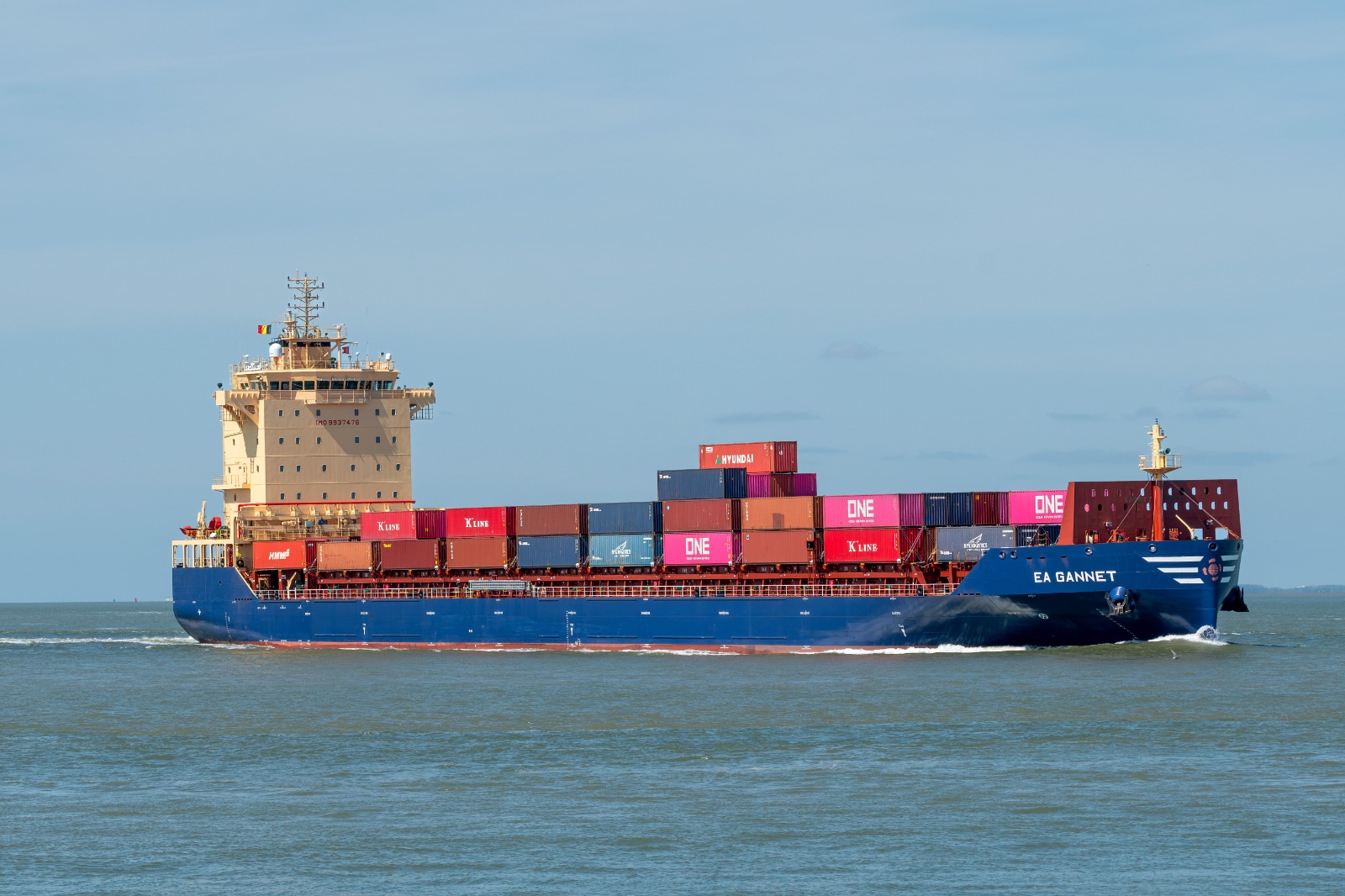
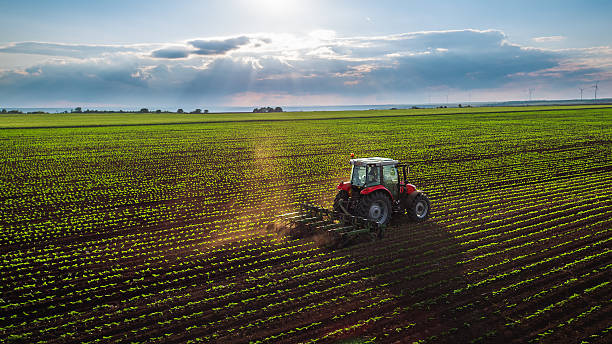
For decades, agricultural policy has focused primarily on increasing yields, expanding cultivated land and improving farmer productivity. While these remain important objectives, they address only the beginning of the value chain. Export competitiveness increasingly depends on what happens after harvest—aggregation, storage, processing, quality assurance, logistics, financing, digital traceability and market access.
In today's global trading environment, agricultural exports are judged not only by volume but by reliability. International buyers require products that can be delivered consistently, meet increasingly stringent food safety standards, demonstrate full traceability and comply with evolving environmental and sustainability regulations. For African producers, the greatest commercial challenge is therefore no longer simply growing more crops; it is building export systems capable of moving products efficiently from farmgate to international markets.
This challenge also represents one of Africa's most compelling investment opportunities.
Global food demand continues to expand, supply chains are diversifying following geopolitical disruptions, and governments and multinational buyers are seeking more resilient sourcing partners. At the same time, implementation of the African Continental Free Trade Area (AfCFTA), growing investment by development finance institutions, advances in digital agriculture and improvements in logistics infrastructure are creating new conditions for integrated regional value chains.
The question is no longer whether Africa can produce enough agricultural commodities.
The strategic question is whether African economies can transform fragmented agricultural production into coordinated export ecosystems that international financiers, insurers, processors and buyers regard as commercially reliable and investment ready.
Countries that successfully connect farmers, processors, logistics providers, financial institutions and export markets through integrated supply chains will capture significantly more value than those that continue exporting largely unprocessed commodities.
The next phase of Africa's agricultural transformation will therefore be determined less by production volumes and more by supply-chain quality, logistics efficiency, financial integration and institutional trust.
Why It Matters
Agriculture remains one of Africa's largest economic sectors, employing more than half of the continent's workforce and contributing substantially to livelihoods, rural employment and food security. Yet despite its enormous agricultural potential, Africa continues to capture only a limited share of the value generated by global food trade.
This is not primarily because African farmers cannot produce competitively.
Rather, it is because agricultural value is increasingly created after production.
The ability to preserve product quality, meet international standards, secure affordable trade finance, maintain cold-chain integrity and deliver products reliably across borders now determines competitiveness far more than production alone.
Export Competitiveness Begins Beyond the Farm
Historically, agricultural development strategies concentrated on improving farm productivity.
Today, successful export economies demonstrate that competitive advantage increasingly depends on integrated value chains rather than isolated production.
Countries such as the Netherlands, Chile and Vietnam have built globally competitive agricultural industries not because they possess the largest agricultural land areas, but because they developed sophisticated logistics, storage systems, quality assurance mechanisms, export financing and coordinated supply-chain management.
For Africa, the opportunity lies in applying similar systems to sectors ranging from horticulture and cocoa to coffee, cashew, sesame, cotton, fisheries and processed foods.
Moving efficiently from farmgate to port has become as important as cultivation itself.
Food Systems Are Becoming Strategic Infrastructure
Recent global events have fundamentally reshaped agricultural trade.
The COVID-19 pandemic exposed vulnerabilities in international food supply chains. Geopolitical tensions, climate-related disruptions and shipping volatility have further encouraged governments and multinational food companies to diversify sourcing locations.
Food security is increasingly being viewed through the lens of supply-chain resilience rather than production alone.
For African exporters, this changing landscape presents a strategic opportunity.
Countries capable of offering dependable export systems, predictable logistics and consistent quality are becoming more attractive partners for international buyers seeking to reduce concentration risk.
Reliability has become a competitive advantage.
Value Addition Determines Wealth Creation
Raw commodity exports generate relatively limited economic value.
The greatest commercial opportunities increasingly arise from processing, packaging and branding products before they reach international markets.
Coffee illustrates this challenge clearly.
Although Africa produces a significant share of the world's coffee, much of the higher-value roasting, branding and retailing occurs elsewhere in global value chains.
The same pattern exists across cocoa, cashew, shea butter, tropical fruits and numerous agricultural commodities.
Building integrated agro-export supply chains enables countries to retain greater value domestically through processing industries, logistics services, quality assurance, packaging and export management.
This creates stronger industrial ecosystems while increasing export earnings.
Financial Systems Follow Predictable Supply Chains
Agricultural finance has traditionally been perceived as high risk.
Weather uncertainty, fragmented production, weak storage infrastructure and volatile commodity prices have discouraged commercial lenders from providing affordable long-term financing.
However, integrated supply chains significantly reduce these risks.
When farmers, aggregators, processors, logistics companies, insurers and buyers operate within coordinated commercial ecosystems supported by reliable contracts and transparent data, financial institutions gain greater confidence in lending.
Bankability therefore depends not only on production potential but on institutional coordination.
Supply-chain development is increasingly becoming financial infrastructure.
Regional Integration Expands Commercial Scale
One of the most significant developments reshaping African agriculture is the gradual implementation of the African Continental Free Trade Area.
AfCFTA has the potential to transform dozens of relatively small national agricultural markets into a much larger integrated commercial ecosystem by reducing tariffs, harmonising trade procedures and encouraging regional value chains. Recent implementation efforts continue to focus on improving customs cooperation, digital trade systems and rules of origin that support intra-African commerce. These reforms are expected to improve opportunities for regional agro-processing before products enter global export markets.
For agricultural exporters, regional integration creates opportunities to source inputs across borders, establish processing hubs closer to transport corridors and achieve production volumes capable of attracting institutional investment.
The result is greater commercial scale, stronger competitiveness and improved resilience against external market shocks.
Trust Has Become an Agricultural Asset
International buyers increasingly purchase confidence alongside commodities.
Traceability systems, food safety certifications, sustainability reporting, environmental compliance and responsible sourcing are now central components of agricultural trade.
European regulations governing deforestation-free supply chains, increasing ESG expectations among institutional investors and stricter food safety requirements across major importing markets illustrate how rapidly compliance expectations are evolving.
Export competitiveness therefore depends upon the ability to demonstrate transparency throughout the supply chain from farmgate to processing facility, logistics network and final destination.
Trust has become one of agriculture's most valuable commercial assets.
For Africa, building bankable agro-export supply chains means investing not only in farms but in the institutions, technologies, infrastructure and partnerships that transform agricultural production into globally trusted trade.
That transformation represents one of the continent's most important opportunities for sustainable economic growth, industrialisation and export diversification.
Who It Affects
Building bankable agro-export supply chains is not simply an agricultural objective. It is an economic transformation agenda that reshapes how capital flows, how trade is conducted and how value is created across entire economies.
The transition from fragmented commodity production to integrated export ecosystems affects every participant in the agricultural value chain—from smallholder farmers and commercial agribusinesses to logistics providers, financiers, policymakers and multinational buyers.
The countries that successfully coordinate these stakeholders will be better positioned to capture a greater share of global agricultural trade.
Farmers and Producer Organisations
Farmers remain the foundation of every export supply chain, but participation in global markets increasingly depends on organisation rather than production alone.
International buyers require consistency in quality, volume and delivery schedules that individual smallholders often struggle to provide independently.
Producer cooperatives, farmer associations and aggregation centres therefore become critical commercial institutions.
By pooling production, standardising quality and negotiating collectively, organised farmers improve bargaining power while reducing transaction costs for exporters.
Digital agriculture platforms are further strengthening this transition by connecting farmers with extension services, weather intelligence, digital payments, input financing and market information.
The result is greater productivity alongside stronger commercial integration.
Agribusinesses and Exporters
For agribusinesses, export competitiveness increasingly depends on supply-chain management rather than simply processing capacity.
Successful exporters must coordinate procurement, warehousing, cold-chain logistics, packaging, certification, customs documentation and international distribution while managing fluctuating commodity prices and evolving regulatory requirements.
Companies capable of integrating these functions gain significant competitive advantages.
Increasingly, agribusinesses are investing beyond processing facilities into contract farming, digital traceability systems, warehouse infrastructure and logistics partnerships to strengthen supply-chain reliability.
This integrated approach enables exporters to offer international buyers something increasingly valuable: predictable delivery.
Logistics Providers
Logistics has become one of the defining determinants of export competitiveness.
Poor road connectivity, limited cold-chain capacity, congested ports and inefficient border procedures continue to increase costs across many African agricultural value chains.
However, substantial investment is gradually reshaping the landscape.
Governments, development finance institutions and private operators are expanding investments in transport corridors, inland logistics hubs, modern warehousing, refrigerated transport and digital customs systems designed to reduce export delays.
The African Development Bank continues to support regional transport corridors and logistics infrastructure as part of its broader strategy to strengthen intra-African trade and export competitiveness.
For logistics companies, agriculture is becoming one of the continent's fastest-growing commercial opportunities.
Financial Institutions
Commercial banks have traditionally viewed agriculture as a high-risk lending sector.
Climate variability, fragmented production, post-harvest losses and uncertain market access have often constrained agricultural finance.
Integrated export supply chains are beginning to change that perception.
Digitally verifiable production data, warehouse receipt systems, contract farming arrangements, crop insurance and long-term off-take agreements reduce uncertainty while improving loan recoverability.
This creates conditions under which agricultural finance becomes increasingly attractive to commercial lenders rather than relying exclusively on development finance.
Agricultural bankability ultimately depends upon reducing uncertainty throughout the value chain.
Investors
Global investors are increasingly evaluating African agriculture through the lens of integrated value chains rather than primary production alone.
Investment opportunities now extend across logistics infrastructure, food processing, cold storage, digital agriculture, irrigation systems, packaging, certification services and export technology.
Institutional investors are particularly interested in businesses capable of demonstrating scalable supply chains supported by reliable governance and transparent operational data.
Rather than financing individual farms, capital is increasingly flowing towards agricultural ecosystems.
Governments and Policymakers
Governments remain central architects of export competitiveness.
Agricultural exports require efficient customs administration, reliable infrastructure, predictable trade policy, internationally recognised quality systems and supportive regulatory environments.
Public investment increasingly focuses on enabling private sector participation rather than replacing it.
Countries that align agricultural policy with logistics development, industrialisation strategies and export promotion are more likely to build resilient agricultural economies.
Agriculture, trade, transport and industrial policy can no longer operate independently.
They increasingly function as components of a single export competitiveness strategy.
Where the Opportunity Is
Africa's agricultural opportunity extends well beyond expanding production.
The greatest commercial potential lies in creating integrated value chains that retain more value domestically while supplying growing regional and international demand.
Several sectors illustrate where this transformation is already gathering momentum.
Horticulture
Fresh fruits, vegetables, flowers and herbs represent some of Africa's fastest-growing agricultural export segments.
Demand continues to expand across Europe, the Middle East and parts of Asia for year-round supplies of high-quality fresh produce.
Countries including Kenya, Morocco, Egypt, South Africa and Ethiopia have demonstrated that competitive horticultural exports depend on sophisticated cold-chain logistics, phytosanitary compliance, air freight capacity and strong relationships with international retailers.
Future growth will increasingly depend on expanding these capabilities into emerging agricultural regions across the continent.
Cocoa and Value Addition
West Africa produces the majority of the world's cocoa beans, yet captures only a fraction of the value generated by global chocolate markets.
Increasing domestic processing represents one of Africa's largest industrial opportunities.
Recent policy initiatives in Côte d'Ivoire and Ghana continue encouraging greater local grinding and processing before export, while multinational manufacturers increasingly invest in regional processing capacity.
The commercial objective is no longer simply exporting cocoa.
It is exporting higher-value cocoa products.
Coffee
African coffee continues to enjoy growing recognition among specialty buyers worldwide.
However, premium pricing increasingly depends upon traceability, sustainability certification, origin branding and direct relationships with international roasters.
Countries such as Ethiopia, Rwanda and Uganda are investing in quality improvement programmes designed to strengthen competitiveness within higher-value specialty coffee markets.
Moving beyond commodity exports towards branded premium products enables producers to retain significantly greater value.
Cashew, Sesame and Oilseeds
Global demand for plant-based foods, edible oils and healthy snack products continues to expand.
African producers possess favourable climatic conditions for producing cashew, sesame, groundnuts and other high-value oilseed crops.
The opportunity increasingly lies in processing these products domestically before export.
Shelling, roasting, refining and packaging create employment while increasing export earnings.
Investment in regional processing facilities therefore represents a significant commercial opportunity.
Fisheries and Aquaculture
Africa's fisheries sector remains underdeveloped relative to its resource potential.
Growing international demand for sustainably sourced seafood creates opportunities for countries capable of strengthening cold-chain systems, processing facilities and traceability infrastructure.
Aquaculture is also expanding rapidly as governments seek to improve food security while reducing dependence on imported fish products.
Integrated fisheries supply chains offer opportunities for both domestic consumption and export diversification.
Processed Foods
Perhaps the largest long-term opportunity lies in processed foods.
Urbanisation, rising incomes and changing consumer preferences are increasing demand for packaged foods throughout Africa and internationally.
Rather than exporting raw maize, cassava, fruits or spices, manufacturers increasingly have opportunities to export branded flour, ready-to-eat products, beverages, sauces and specialty foods.
This shift from commodities to consumer products significantly increases value retention while strengthening African brands in international markets.
The commercial future of African agriculture will increasingly belong not only to producers of commodities but also to producers of recognised food brands.
Market Signals
Several developments indicate that integrated agro-export supply chains are moving from policy ambition towards commercial reality.
Implementation of the African Continental Free Trade Area continues to encourage regional value-chain development by reducing barriers to intra-African trade and supporting greater industrial integration.
Meanwhile, the African Export-Import Bank has expanded financing programmes supporting agricultural processing, export manufacturing and trade logistics, recognising agriculture as a strategic driver of industrialisation and export diversification.
Development finance institutions are similarly increasing investment in transport corridors, warehouse infrastructure, cold-chain logistics and digital agriculture to improve market access and reduce post-harvest losses.
At the same time, multinational food companies and international retailers continue diversifying sourcing strategies following global supply-chain disruptions, creating opportunities for African exporters capable of demonstrating reliability, quality assurance and sustainable production.
These developments point towards a broader structural shift.
The next generation of agricultural competitiveness will not be determined solely by crop yields.
It will be determined by the strength, resilience and bankability of the supply chains connecting African farms to global markets.
Strategic Risks
Africa's agricultural export opportunity is substantial, but converting that opportunity into sustained commercial success requires addressing structural weaknesses that continue to undermine competitiveness.
While investment in farming has increased across many countries, investment in supply-chain resilience has often lagged behind. As a result, too many agricultural exports continue to experience quality deterioration, post-harvest losses, financing constraints and logistical inefficiencies before reaching international markets.
The challenge is no longer simply producing more food.
It is delivering export-quality products consistently, predictably and profitably.
Fragmented Supply Chains
One of the greatest constraints on African agro-exports remains fragmentation.
Production is frequently dispersed across thousands of smallholder farmers operating independently with varying production standards, harvesting schedules and quality controls.
Without effective aggregation systems, exporters struggle to guarantee the consistency that international buyers increasingly demand.
Fragmented supply chains also increase transaction costs, reduce traceability and make commercial financing more difficult.
Building aggregation centres, producer cooperatives and contract farming systems will therefore become increasingly important for creating export-ready agricultural ecosystems.
Post-Harvest Losses Continue to Erode Value
Africa continues to lose a significant proportion of agricultural production after harvest because of inadequate storage, insufficient cold-chain infrastructure and inefficient transportation systems.
According to estimates from the Food and Agriculture Organization (FAO), post-harvest losses remain one of the largest hidden costs within African agriculture, reducing farmer incomes while weakening export competitiveness.
For highly perishable products such as fresh fruits, vegetables, dairy products and fisheries, even minor disruptions in cold-chain logistics can result in substantial commercial losses.
Reducing post-harvest waste represents one of the fastest ways to improve export profitability without increasing production.
Climate Risk Is Reshaping Agricultural Trade
Climate variability is becoming a defining commercial risk.
Changing rainfall patterns, prolonged droughts, flooding and increasing temperatures are affecting agricultural productivity across many African regions.
These challenges are influencing not only crop yields but also product quality, harvesting schedules, logistics planning and insurance costs.
International buyers increasingly expect suppliers to demonstrate climate resilience alongside production capability.
As climate-related disruptions become more frequent, resilient supply chains will command increasing commercial value.
Compliance Requirements Are Becoming More Demanding
Export markets continue to strengthen regulatory requirements covering food safety, traceability, sustainability and environmental performance.
The European Union's implementation of the EU Deforestation Regulation (EUDR) introduces stricter due diligence requirements for products including cocoa, coffee, palm oil, timber, rubber and cattle-derived products entering the European market.
Similarly, buyers across Europe, North America and parts of Asia increasingly require evidence of responsible sourcing, carbon reporting and environmental stewardship.
For African exporters, regulatory compliance is becoming an ongoing commercial capability rather than a one-off certification exercise.
Businesses that fail to adapt risk losing access to premium international markets.
Logistics Costs Remain High
Although transport infrastructure continues to improve, logistics costs across many African economies remain among the highest globally.
Road congestion, inefficient border procedures, port delays and limited multimodal transport networks increase delivery times and reduce competitiveness.
For time-sensitive agricultural exports, logistics reliability often determines whether products arrive at international markets in premium condition.
Investments in transport corridors, inland logistics hubs, digital customs systems and port modernisation therefore remain essential components of export competitiveness.
Financing Bankable Supply Chains
Creating globally competitive agro-export systems requires financing that extends beyond agricultural production.
Investment is increasingly needed across every stage of the value chain; from irrigation and mechanisation to warehousing, processing, logistics, packaging and export distribution.
The most successful agricultural economies finance ecosystems rather than individual farms.
Development Finance Institutions
Development finance institutions continue to play a catalytic role in strengthening Africa's agricultural competitiveness.
The African Development Bank, Afreximbank, International Finance Corporation (IFC), International Fund for Agricultural Development (IFAD) and other multilateral institutions have expanded support for agricultural value chains through investments in processing facilities, logistics infrastructure, climate-smart agriculture and trade finance.
These institutions increasingly recognise that export competitiveness depends upon integrated commercial ecosystems rather than isolated production projects.
Trade Finance
Access to affordable trade finance remains one of the most significant barriers facing African exporters.
Many agricultural businesses struggle to secure working capital for procurement, inventory management, shipping and export documentation.
Trade finance instruments; including letters of credit, export guarantees, receivables financing and warehouse receipt systems can significantly reduce liquidity constraints while strengthening confidence among international buyers.
Expanding access to these financial products will become increasingly important as African exports grow.
Warehouse Receipt Systems
Warehouse receipt systems are emerging as an important financial innovation.
Certified warehouses allow farmers and traders to store agricultural commodities securely while using warehouse receipts as collateral for commercial lending.
This reduces pressure to sell immediately after harvest when prices are often lowest.
It also improves inventory management, strengthens commodity quality and creates more stable supply chains for processors and exporters.
Several African countries are expanding these systems as part of broader agricultural market reforms.
Blended Finance
Blended finance is becoming an increasingly important mechanism for attracting private capital into agriculture.
By combining concessional funding from development partners with commercial investment, blended finance structures reduce risk while improving returns for private investors.
This approach has proven particularly effective in financing agricultural infrastructure, climate-smart technologies, irrigation systems and rural logistics.
For institutional investors, blended finance creates opportunities to participate in sectors previously perceived as too risky.
Digital Agriculture and Financial Inclusion
Digital technologies are transforming agricultural finance.
Satellite imagery, mobile payments, digital identities, farm management software and remote sensing technologies provide lenders with better information about production, risk and borrower performance.
Financial institutions can increasingly assess agricultural creditworthiness using real-time production data rather than relying solely on traditional collateral.
Digital agriculture is therefore strengthening both financial inclusion and investment confidence.
What Decision-Makers Should Do Next
For Agribusiness Executives
Executives should reposition supply-chain management as a strategic competitive advantage.
Priority investments should include aggregation networks, cold-chain infrastructure, digital traceability, internationally recognised certifications and long-term relationships with both producers and international buyers.
Export competitiveness increasingly depends on operational excellence throughout the value chain rather than processing capacity alone.
For Investors
Investors should evaluate agricultural ecosystems rather than isolated production assets.
Warehousing, logistics, cold storage, packaging, agricultural technology, certification services and digital trade platforms often offer scalable commercial opportunities alongside primary production.
Integrated value chains generally produce stronger long-term investment outcomes than fragmented agricultural projects.
For Governments
Governments should prioritise investments that reduce transaction costs throughout agricultural supply chains.
Modern transport corridors, efficient border management, digital customs procedures, rural infrastructure and harmonised standards under the African Continental Free Trade Area will strengthen export competitiveness while encouraging greater private investment.
Agricultural policy should increasingly focus on market access alongside production.
For Development Partners
Development institutions should continue supporting integrated agricultural ecosystems through technical assistance, blended finance, infrastructure investment and institutional capacity building.
Supporting regional value chains rather than isolated national projects will strengthen Africa's long-term agricultural competitiveness.
Executive Outlook
Africa's agricultural future will not be determined solely by what grows in its fields.
It will be determined by how efficiently those products move through integrated commercial ecosystems capable of meeting the expectations of international markets.
Competitive agricultural exports are no longer built around production alone.
They depend upon logistics, financing, digital infrastructure, quality assurance, traceability, processing and institutional coordination working together as a single commercial system.
The countries that succeed over the coming decade will not necessarily be those producing the largest harvests.
They will be those capable of building supply chains that banks are willing to finance, insurers are willing to underwrite, processors are willing to invest in and international buyers are willing to trust.
This represents a fundamental shift in Africa's agricultural development model.
From increasing yields to increasing value.
From exporting commodities to exporting quality-assured products.
From fragmented production to integrated commercial ecosystems.
From isolated farms to globally connected supply chains.
For executives, investors and policymakers, the strategic priority is increasingly clear.
The next competitive frontier is not simply helping farmers grow more.
It is building seamless, resilient and bankable agro-export supply chains that connect African farms to regional processors, global retailers and international consumers.
The future of Made in Africa agriculture will therefore be shaped not only by the productivity of its farms, but by the sophistication of the systems that carry their products from farmgate to port, and ultimately to the world.
Sources & Methodology
This Premium Intelligence report draws upon research, policy papers and market data from the African Development Bank (AfDB), African Export-Import Bank (Afreximbank), Food and Agriculture Organization of the United Nations (FAO), World Bank Group, International Finance Corporation (IFC), International Fund for Agricultural Development (IFAD), World Trade Organization (WTO), United Nations Conference on Trade and Development (UNCTAD), the African Continental Free Trade Area (AfCFTA) Secretariat, and official publications from the European Commission relating to agricultural trade, sustainability regulations and market access.
Current market developments referenced in this report reflect developments through 2025–2026, including progress in AfCFTA implementation, expansion of agricultural trade finance programmes, investment in regional logistics corridors, evolving sustainability requirements—including the EU Deforestation Regulation (EUDR)—and broader shifts in global food supply chains following recent geopolitical and climate-related disruptions.
The report follows Aldrenor Intelligence's Premium Intelligence methodology, combining institutional research, macroeconomic analysis, trade policy, investment trends, supply-chain intelligence and long-term structural market developments to provide actionable insights for executives, investors, policymakers, agribusiness leaders and development institutions. The analysis is intended for informational purposes and should not be interpreted as investment, financial or legal advice.